 By Ethan Brooks
Updated November 2026
Choosing the best soil for a herb garden matters more than most beginners expect. Herbs like rosemary, thyme, and lavender dislike soggy roots, while basil and mint want steady moisture and plenty of nutrients. A mix that suits one group can rot the other. This guide looks at seven ready-made potting soils and herb blends that suit containers, windowsills, and small raised beds. The selection criteria are drainage, organic inputs, nutrient content, weight, and how well each mix matches the moisture needs of common culinary herbs.
Our top picks at a glance
- 1
 TOP CHOICEBest overallMiracle-Gro Organic Outdoor Potting Mix (16 qt.)View on Amazon
- 2
 TOP CHOICEBest for mixed herb bedsBurpee Premium Organic Potting Mix Garden Soil (9 qt.)View on Amazon
- 3
 TOP CHOICEBest for Mediterranean herbsRosy Soil Herb Mix (4 qt.)View on Amazon
- 4
 Best for small kitchensProfessional Indoor Herb Soil Mix (2.2 qt.)View on Amazon
- 5
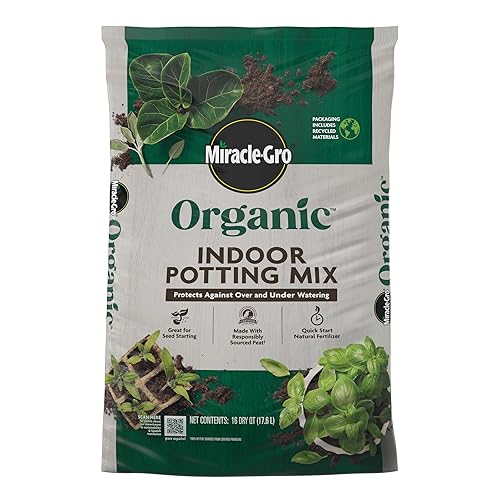 Best for overwatering protectionMiracle-Gro Organic Indoor Potting Mix (16 qt.)View on Amazon
- 6
 Best peat-free optionPeat-Free Soil with Compost, Coco Coir and Biochar (4 qt.)View on Amazon
- 7
 Best budget pickOrganic Potting Soil Mix for Indoor Plants & Herb Gardens (1 qt.)View on Amazon
Our Top Picks
Quick Comparison
| Product | Best for | Key feature |
|---|---|---|
| Miracle-Gro Organic Outdoor Potting Mix (16 qt.) | Outdoor containers and beds | Quick-release natural fertilizer, OMRI listed |
| Burpee Premium Organic Potting Mix Garden Soil (9 qt.) | Mixed herb beds and containers | Coconut coir base, OMRI listed |
| Rosy Soil Herb Mix (4 qt.) | Mediterranean herbs | Biochar, worm castings, fast draining |
| Professional Indoor Herb Soil Mix (2.2 qt.) | Small kitchens and windowsills | Ready to use, dolomite-amended |
| Miracle-Gro Organic Indoor Potting Mix (16 qt.) | Indoor herb pots | Moisture balance against over- and under-watering |
| Peat-Free Soil with Compost, Coco Coir and Biochar (4 qt.) | Peat-free gardening and seedlings | Triple screened, OMRI listed |
| Organic Potting Soil Mix for Indoor Plants & Herb Gardens (1 qt.) | Trying one or two herb pots | All-purpose, natural nutrients |
Miracle-Gro Organic Outdoor Potting Mix (16 qt.)
Plant Soil For Outdoor Container Plants, Contains Quick-Release Natural Fertilizer, OMRI Listed Miracle-Gro Organic Outdoor Potting Mix, 16 qt.
Best for: General outdoor herb containers and mixed plantings
This is a good first choice for gardeners who want one bag that handles most culinary herbs in pots on a patio or deck. It is built for outdoor containers, where sun and wind dry the surface faster than indoors.
Key specs
- Volume: 16 quarts
- Labeled for outdoor container plants
- Contains quick-release natural fertilizer
- OMRI listed for organic use
Pros
- Organic listing suits gardeners who avoid synthetic inputs
- Fertilizer in the mix reduces feeding needs early in the season
- Large volume covers several pots at once
Cons
- Fertilizer is front-loaded, so herbs may need supplemental feeding later
- Can feel dense when dry, so pots need thorough watering at first
Bottom line: The safest all-around pick for outdoor herb pots. Choose it if you want one bag and no guesswork.
Burpee Premium Organic Potting Mix Garden Soil (9 qt.)
Burpee Premium Organic Potting Mix Garden Soil with Coconut Coir for Indoor Plants & Outdoor Containers, OMRI Listed, Ideal for Vegetables, Flowers, Herbs (9 Quarts, 0.12-0.12-0.12)
Best for: Mixed herb beds and containers with vegetables
This mix suits gardeners who grow herbs alongside tomatoes, peppers, or flowers in the same space. The labeling covers both indoor and outdoor containers.
Key specs
- Volume: 9 quarts
- Coconut coir base
- OMRI listed
- Labeled for vegetables, flowers, and herbs
Pros
- Coir holds moisture without becoming soggy when pots are kept well drained
- Works across a wide range of plant types
- Organic listing for edible plantings
Cons
- Moisture-retentive base may be too wet for Mediterranean herbs unless amended with grit
- Smaller bag size than the Miracle-Gro 16 qt. option
Bottom line: A good fit for a mixed edible container garden. Add perlite if you plan to grow lavender or thyme in the same pots.
Rosy Soil Herb Mix (4 qt.)
Biochar, Worm Castings, Mycorrhizae Blend, Peat-Free, Fast Draining, for Basil, Cilantro, Lavender, Thyme, Mint, Rosemary Rosy Soil Herb Mix, Organic Indoor and Outdoor Herb Potting Soil, 4 Quarts
Best for: Mediterranean herbs such as rosemary, thyme, and lavender
Gardeners growing drought-tolerant herbs usually want a fast-draining mix with low organic content. This blend is marketed for that use, with biochar and worm castings added for structure and nutrients.
Key specs
- Volume: 4 quarts
- Ingredients listed include biochar, worm castings, and mycorrhizae
- Peat-free formulation
- Labeled for indoor and outdoor use
Pros
- Fast drainage suits rosemary, thyme, and lavender
- Biochar improves aeration and holds some nutrients
- Peat-free formulation
Cons
- Drains quickly, so basil and mint may need more frequent watering
- Small 4-quart bag limits use in larger containers
Bottom line: The right choice for a Mediterranean herb pot. Pair it with containers that have drainage holes.
Professional Indoor Herb Soil Mix (2.2 qt.)
Professional Indoor Herb Soil Mix Large 2.2 Quarts Ready to Use, Premium Potting Soil for Basil Mint Rosemary Thyme Parsley, Peat Moss Coco Coir Perlite Dolomite Indoor Garden Soil Made in USA
Best for: Small kitchens and windowsill herb pots
This ready-to-use indoor mix is sized for a few small pots. It is aimed at people growing basil, mint, parsley, and thyme on a counter or sill.
Key specs
- Volume: 2.2 quarts
- Ingredients listed include peat moss, coco coir, perlite, and dolomite
- Labeled as indoor herb soil
- Made in USA
Pros
- Dolomite helps buffer pH for a range of herbs
- Perlite improves drainage in indoor pots
- Right amount for a few small containers
Cons
- Too small for raised beds or large planters
- Peat moss content may not suit gardeners avoiding peat
Bottom line: A tidy option for a kitchen herb shelf. Not a fit for larger outdoor plantings.
Miracle-Gro Organic Indoor Potting Mix (16 qt.)
Protects Against Over & Under Watering, Planting Soil For Indoor Container Plants, Houseplants & Starter Plants, OMRI Listed Miracle-Gro Organic Indoor Potting Mix, 16 qt.
Best for: Indoor herb pots where watering is inconsistent
This mix is labeled to help balance moisture, which can reduce the swings that stress indoor herbs. It is a practical option for people who forget to water on schedule.
Key specs
- Volume: 16 quarts
- Labeled for indoor container plants and houseplants
- OMRI listed
- Marketed as protecting against over- and under-watering
Pros
- Moisture-balancing claim helps with irregular watering
- Organic listing for indoor edible plants
- Large bag for several indoor pots
Cons
- Moisture-balancing benefits are manufacturer claims, so results will vary
- Indoor formulation may be heavier than needed for outdoor beds
Bottom line: A sensible indoor choice for busy households. Still check soil moisture with a finger test before watering.
Peat-Free Soil with Compost, Coco Coir and Biochar (4 qt.)
Peat-Free Soil with Compost, Coco Coir & Biochar, Triple Screened, OMRI Listed, For Herbs & Seedlings, Indoor & Outdoor Organic Potting Mix for Houseplants & Vegetables, 4QT
Best for: Peat-free herb growing and seedlings
Gardeners who want to avoid peat, for environmental reasons or personal preference, will find this mix fits well. It is suitable for starting seeds of herbs as well as growing them on.
Key specs
- Volume: 4 quarts
- Ingredients: compost, coco coir, biochar
- Triple screened for a fine texture
- OMRI listed
Pros
- Peat-free and organic listed
- Fine screening helps seed germination
- Biochar adds structure and aeration
Cons
- Small bag size limits large-scale use
- Fine texture can compact if overwatered
Bottom line: The best choice for a peat-free herb nursery or seed-starting tray.
Organic Potting Soil Mix for Indoor Plants & Herb Gardens (1 qt.)
Organic Potting Soil Mix for Indoor Plants & Herb Gardens 1qt- All-Purpose Nutrient-Rich Natural Soil
Best for: Trying one or two herb pots before committing to a larger bag
This small bag is useful for testing a single herb in a windowsill pot or for topping up existing containers. It is labeled as all-purpose and nutrient rich.
Key specs
- Volume: 1 quart
- Labeled as organic, all-purpose potting mix
- Intended for indoor plants and herb gardens
Pros
- Low-commitment size for beginners
- Good for topping up or repotting a few herbs
- Natural nutrient labeling
Cons
- Too small for anything beyond a few pots
- Detailed ingredient list is limited, so check the label before use
Bottom line: A low-risk entry point for a single kitchen herb pot.
Buying Guide
Drainage and Texture
Herbs fail more often from wet roots than from lack of nutrients. Look for mixes that include perlite, pumice, or biochar, which keep air spaces open. Mediterranean herbs need the fastest drainage, while basil and mint tolerate more moisture. A simple test is to squeeze a handful of wet mix: it should hold together briefly, then crumble when you open your hand.
Good picks for this: Rosy Soil Herb Mix, Professional Indoor Herb Soil Mix
Organic Certification
Many gardeners who grow herbs for cooking want to avoid synthetic pesticides and fertilizers. OMRI listing means the Organic Materials Review Institute has reviewed the product for use in certified organic production. Check the label for the listing rather than relying on marketing words like “natural.”
Good picks for this: Miracle-Gro Organic Outdoor Potting Mix, Burpee Premium Organic Potting Mix Garden Soil
Container Size and Volume
Bag size should match your project. A single herb pot needs about one quart of mix, while a half-barrel or raised bed may need several cubic feet. Buying the wrong size wastes money and can leave you with unused bags that dry out in storage. Measure your containers in liters or quarts before you buy.
Good picks for this: Organic Potting Soil Mix for Indoor Plants & Herb Gardens, Professional Indoor Herb Soil Mix
Indoor Versus Outdoor Use
Indoor herb soil is often lighter and designed for less sun and wind. Outdoor mixes are usually denser and may include slow-release nutrients for longer seasons. Using an outdoor mix indoors can lead to waterlogging, and an indoor mix outdoors can dry out too fast in summer heat.
Good picks for this: Miracle-Gro Organic Indoor Potting Mix, Miracle-Gro Organic Outdoor Potting Mix
Peat Content and Sustainability
Peat moss is widely used in potting mixes, but many gardeners prefer peat-free options made from coir, compost, and biochar. Check the ingredient list if peat is a concern. Peat-free mixes may need a little more attention to watering in the first few weeks.
Good picks for this: Peat-Free Soil with Compost, Coco Coir and Biochar, Rosy Soil Herb Mix
Nutrient Content and Feeding
Some mixes include starter fertilizer, which feeds plants for the first several weeks. Others are unfertilized and need regular liquid feeding. Culinary herbs often grow best on moderate nutrition, and too much nitrogen can reduce the essential oils that give herbs their flavor. Read the label for fertilizer content and plan supplemental feeding accordingly.
Good picks for this: Miracle-Gro Organic Outdoor Potting Mix, Burpee Premium Organic Potting Mix Garden Soil
Moisture Retention
Mixes built around coir hold water well, which helps basil and parsley that dry out quickly. Mixes with more grit suit thyme and rosemary. Matching moisture retention to your herb mix is more important than chasing the highest-rated bag. Consider grouping herbs with similar watering needs in the same pot.
Good picks for this: Miracle-Gro Organic Indoor Potting Mix, Burpee Premium Organic Potting Mix Garden Soil
FAQ
What is the best soil for a herb garden?
For most culinary herbs in containers, a light, peat-free or organic potting mix with good drainage works well. Mediterranean herbs like rosemary and thyme do best in faster-draining mixes, while basil and parsley prefer somewhat more moisture.
Can I use garden soil from my yard for herbs?
Garden soil is usually too dense for containers and can carry weed seeds and pathogens. In raised beds, a mix of topsoil and compost is more common than pure garden soil. Potting mixes are better for pots.
Do herbs need fertilizer in potting soil?
Many potting mixes include starter nutrients that last four to six weeks. After that, most herbs benefit from light feeding with a balanced organic liquid fertilizer. Avoid heavy feeding, which can reduce flavor.
How often should I repot herbs?
Most herbs need repotting every one to two years, or when roots fill the container. Refresh the top few inches of mix each spring if you cannot repot right away.
Is peat-free soil good for herbs?
Yes. Peat-free mixes made from coir, compost, and biochar work well for most herbs. They may dry out faster at first, so check moisture more often during the first few weeks.
Should I add perlite to herb soil?
Adding perlite or pumice improves drainage, which helps Mediterranean herbs in particular. A ratio of roughly one part perlite to three parts potting mix is a common starting point for lavender and thyme.
How do I know if my herb soil is too wet?
Yellowing leaves, a sour smell, and soft stems at the base often point to overwatering. Lift the pot to check weight: a dry pot feels light, while a wet pot feels heavy. Let the top inch dry before watering again.
Conclusion
For most gardeners, the best soil for a herb garden is a light, organic potting mix matched to the size of the project. The Miracle-Gro Organic Outdoor Potting Mix suits outdoor containers and mixed plantings. The Burpee Premium Organic Potting Mix Garden Soil works well for herbs grown alongside vegetables. The Rosy Soil Herb Mix fits Mediterranean herbs that need fast drainage. Indoor growers with a few pots will find the Professional Indoor Herb Soil Mix or the Miracle-Gro Organic Indoor Potting Mix practical. The peat-free option suits seed starting and gardeners avoiding peat, and the small organic bag is a low-risk way to test a single herb.
Sources
- Research-based guidance on growing media, container gardening, and herb cultivation from land-grant university extension services (extension.org)
- Information on organic production standards and how organic inputs are regulated in the United States (usda.gov)
- Guidance on safe use of soil amendments and mulches in home gardens (epa.gov)
Related reading
- Pro Mix Organic Herb and Vegetable Garden Soil: 7 Best Picks for 2026
- 7 Best Soil Garden Beds for Vegetables and Herbs (2026)
- Where to Buy Bulk Garden Soil: 6 Best Picks for Raised Beds (2026)
- Top 7 Vege Garden Soil Mix Picks for Raised Beds and Containers
- Top 7 Soils for Raised Vegetable Garden Beds: Compared for 2026
About Ethan Brooks
Ethan Brooks is part of our editorial team and reviews and edits our vegetable & edible gardening guides, checking product details against manufacturer specifications and owner feedback.