 By Graham Fisher
Updated November 2026
Finding the best vegetable garden beds comes down to matching the bed to your space, your soil and the crops you want to grow. A raised bed gives you control over soil quality, drainage and the working height of your garden, which makes it easier to keep weeds down and to plant at the right time in spring. The five options below were compared on material, depth, footprint, assembly and the growing needs they suit best, based on manufacturer specifications and the patterns owners commonly describe in their feedback.
Our top picks at a glance
- 1
 TOP CHOICEBest overallYaheetech Raised Garden Bed Wooden Planter Box for Vegetables/FlowersView on Amazon
- 2
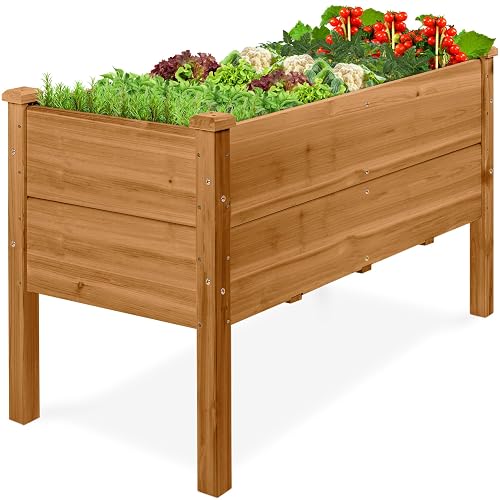 TOP CHOICEBest for deep-rooted cropsBest Choice Products 48x24x30in Raised Garden Bed, 16in DepthView on Amazon
- 3
 TOP CHOICEBest for small patiosGalvanized Raised 2 Pcs 4x2x1ft Planter Boxes with Easy AssemblyView on Amazon
- 4
 Best for curved spaces3 Pcs 4x2x1.5ft Oval Galvanized Raised Garden Bed KitView on Amazon
- 5
 Best budget pickRust-Free Durable Raised Beds Galvanized Oval 4x2x1 ft 2 PackView on Amazon
Our Top Picks
Quick Comparison
| Product | Best for | Key feature |
|---|---|---|
| Yaheetech Raised Garden Bed Wooden Planter Box | General vegetables and flowers | Fir wood construction with easy assembly |
| Best Choice Products 48x24x30in Raised Garden Bed | Deep-rooted crops | 16-inch depth in a large footprint |
| Galvanized Raised 2 Pcs 4x2x1ft Planter Boxes | Small patios and tight spaces | Two-box set that is easy to position |
| 3 Pcs 4x2x1.5ft Oval Galvanized Raised Garden Bed | Curved or irregular spaces | Oval shape with 17-inch height |
| Rust-Free Galvanized Raised Garden Bed 2 Pack | Budget-conscious gardeners | Rust-resistant metal in an oval design |
Yaheetech Raised Garden Bed Wooden Planter Box for Vegetables/Flowers
Yaheetech Raised Garden Bed Wooden Planter Box for Vegetables/Flowers, Wood | Fir wood raised bed offers easy assembly, and a practical space for growing vegetables, herbs, and garden plants.
Best for: General-purpose vegetable and flower growing in a standard backyard.
This is a good starting point for gardeners who want a traditional wood bed that fits a typical lawn or patio. Its simple rectangular form makes it easy to place, and the fir wood gives a natural look that suits most outdoor settings.
Key specs
- Material: fir wood
- Designed for vegetables, herbs and flowers
- Assembly required with basic hand tools
Pros
- Straightforward assembly for a first-time bed
- Natural wood blends into most yards
- Good general fit for mixed plantings
Cons
- Wood will gradually weather and needs periodic checking for loose joints
- Depth may be less than what deep-rooted crops such as carrots or large tomatoes prefer
Bottom line: A sensible pick for gardeners who want a classic wood bed for everyday vegetables and flowers.
Best Choice Products 48x24x30in Raised Garden Bed, 16in Depth
Extra Deep 16in Bed, Elevated Wood Construction, Natural Fir Wood, Ideal For Backyard, Patio & Outdoor Garden Planting Best Choice Products 48x24x30in Raised Garden Bed, 16in Depth – Acorn Brown
Best for: Deep-rooted crops and gardeners who want more soil volume per bed.
The 16-inch depth and generous 48 by 24 inch footprint give roots room to develop, which matters for root vegetables and sprawling plants. The elevated wood construction also reduces bending during planting and weeding.
Key specs
- Dimensions: 48 x 24 x 30 inches (overall height)
- Depth: 16 inches
- Material: natural fir wood
Pros
- Deep soil profile suits carrots, potatoes and larger tomatoes
- Elevated height reduces strain on the back and knees
- Large enough for a meaningful harvest of several crops
Cons
- Filling a deep bed requires a significant volume of soil or mix
- Heavier to move once filled, so placement should be decided first
Bottom line: Best suited to gardeners who want a deep, elevated bed and are ready to fill it properly.
Galvanized Raised 2 Pcs 4x2x1ft Planter Boxes with Easy Assembly
Raised Garden Bed,Galvanized Raised 2 Pcs 4×2×1ft Planter Boxes Outdoor with Easy Assembly, Large Garden Bed for Vegetables, Fruits, Flower
Best for: Small patios, balconies and tight side yards.
Two compact boxes let you split a small growing area into separate zones, for example one for tomatoes and one for leafy greens. The 4 by 2 foot footprint is manageable in limited space.
Key specs
- Dimensions: 4 x 2 x 1 ft per box
- Quantity: 2 boxes
- Material: galvanized metal
Pros
- Two beds allow crop rotation or separate planting zones
- Compact footprint fits small outdoor spaces
- Metal construction resists rot
Cons
- One-foot depth limits root development for deep crops
- Metal can heat up quickly in full sun, so soil may dry faster
Bottom line: A practical choice for small spaces where you want two separate beds for herbs and salad crops.
3 Pcs 4x2x1.5ft Oval Galvanized Raised Garden Bed Kit
3 Pcs 4x2x1.5ft Raised Garden Bed Outdoor, 17" Tall Galvanized Metal Planter Box, Oval Raised Garden Bed Kit for Planting Vegetables Plants Fruits, Brown
Best for: Curved borders, irregular yards and gardeners who want a softer shape.
The oval shape fits around patios, walkways and existing plantings more easily than square boxes. The 17-inch height gives a bit more soil depth than many one-foot beds.
Key specs
- Dimensions: 4 x 2 x 1.5 ft (listing), 17 inches tall
- Quantity: 3 pieces
- Material: galvanized metal
Pros
- Oval form suits curved and irregular layouts
- Taller sides than standard one-foot beds
- Galvanized finish is durable outdoors
Cons
- Oval beds can be slightly less efficient for square-foot planting layouts
- Assembly of multiple pieces takes more time than a single-box kit
Bottom line: Good for gardeners who want a rounded bed that blends into a landscape design.
Rust-Free Durable Raised Beds Galvanized Oval 4x2x1 ft 2 Pack
Rust-Free Durable Raised Beds for Gardening, Open-Bottom Metal Planter Box, Ideal for Vegetables Flowers and Herbs, Patio Use Galvanized Raised Garden Bed Outdoor 4x2x1 ft 2 Pack Oval White
Best for: Budget-conscious gardeners who want a two-bed metal setup.
This two-pack gives you two oval beds without the cost of a larger wood system. The open-bottom design lets roots reach native soil, which many gardeners prefer for healthier plant growth.
Key specs
- Dimensions: 4 x 2 x 1 ft per bed
- Quantity: 2 beds
- Material: galvanized metal, rust-resistant finish
Pros
- Two-bed pack is a sensible entry point
- Open bottom allows roots to access soil below
- Rust-resistant coating suits outdoor use
Cons
- One-foot depth is shallow for root crops
- Thin metal may dent if bumped with heavy tools
Bottom line: A budget-friendly way to start a small vegetable garden with two durable metal beds.
Buying Guide
Bed Material: Wood vs. Galvanized Metal
Wood is easy to work with and blends into landscaping, but it will weather over several seasons. Galvanized steel lasts longer outdoors, resists rot and stays in shape, though it can run warmer in full sun. Choose wood for a natural look and metal for longevity and clean lines.
Good picks for this: Yaheetech Raised Garden Bed Wooden Planter Box, Galvanized Raised 2 Pcs 4x2x1ft Planter Boxes
Bed Depth and Root Space
Depth determines what you can grow well. Leafy greens, herbs and shallow-rooted vegetables do fine in 8 to 12 inches of soil. Carrots, potatoes, parsnips and large tomatoes prefer 12 to 18 inches or more. If your bed is shallow, plan to plant accordingly or add depth with a raised collar.
Good picks for this: Best Choice Products 48x24x30in Raised Garden Bed, 3 Pcs 4x2x1.5ft Oval Galvanized Raised Garden Bed Kit
Size and Footprint
A 4-foot-wide bed is a common standard because you can reach the center from either side without stepping on the soil. A 2-foot width works well for narrow spaces. Measure your site and leave at least 2 feet of walking space between beds for comfortable access.
Good picks for this: Galvanized Raised 2 Pcs 4x2x1ft Planter Boxes, Rust-Free Durable Raised Beds for Gardening
Shape and Layout
Rectangular beds make it easier to plan square-foot or row layouts. Oval and curved beds suit borders and irregular spaces but can waste some corners for planting. Decide on your layout before you buy so the shape supports how you plan to arrange crops.
Good picks for this: 3 Pcs 4x2x1.5ft Oval Galvanized Raised Garden Bed Kit, Rust-Free Durable Raised Beds Oval White
Assembly and Setup
Some kits require only a few screws, while multi-piece sets may take an hour or more. Check whether you need a level surface, and confirm the bed can sit on lawn, patio or gravel without sinking. Assemble on flat ground and fill the bed in sections to keep it square.
Good picks for this: Yaheetech Raised Garden Bed Wooden Planter Box, Galvanized Raised 2 Pcs 4x2x1ft Planter Boxes
Durability and Weather Exposure
Galvanized metal resists rot and pests, and most coatings are designed for long outdoor exposure. Untreated wood can last several years depending on climate and moisture. Check that the finish is rated for outdoor use and inspect joints each spring.
Good picks for this: Rust-Free Durable Raised Beds for Gardening, 3 Pcs 4x2x1.5ft Oval Galvanized Raised Garden Bed Kit
Soil Fill and Drainage
Whatever bed you choose, the soil inside matters more than the frame. Use a mix with good drainage and organic matter. Bottomless beds let roots reach native soil, while bottomed beds may need more attention to drainage. Many gardeners use a blend of topsoil, compost and aeration material. For specific mixes, see our guides on Top 7 Soils for Raised Vegetable Garden Beds: Compared for 2026 and Soil Mix for Raised Garden Bed: 7 Best Picks for Vegetables (2026).
Good picks for this: Rust-Free Durable Raised Beds for Gardening, Best Choice Products 48x24x30in Raised Garden Bed
FAQ
What is the best depth for a vegetable garden bed?
Most vegetables grow well in 12 inches of soil. Shallow crops such as lettuce and herbs can manage in 8 inches, while root crops and large tomatoes benefit from 18 inches or more.
Are metal or wood raised beds better?
Metal lasts longer outdoors and resists rot, while wood offers a more natural appearance and is easier to customize. The right choice depends on your climate, look and how long you plan to use the bed.
Should a raised bed have a bottom?
Bottomless beds let roots reach native soil and improve drainage, while bottomed beds keep out burrowing pests and let you control the soil completely. Both work; the choice depends on your pest pressure and soil conditions.
How far apart should raised beds be placed?
Leave at least 2 feet of walking space between beds so you can reach the center and move a wheelbarrow or hose through. Wider paths suit larger equipment.
What size raised bed is easiest to manage?
A 4-foot-wide bed is widely used because you can reach the middle from either side. Keep the length flexible based on your space and how many crops you want.
When should I fill a new raised bed?
Fill the bed before planting, ideally a few weeks ahead so the soil can settle. Water the mix lightly after filling and top it up as it compacts.
Conclusion
The best vegetable garden beds depend on space, depth and how you plan to grow. The Yaheetech wood box suits general use, the 16-inch Best Choice Products bed fits deep-rooted crops, and the galvanized 2-pack works well on small patios. The oval kit suits curved layouts, and the Rust-Free two-pack is the most approachable starter option. Match the bed to your site, measure your depth needs, and fill it with a well-drained mix for the best results.
Sources
- Research-based guidance on raised bed construction, soil mixes and vegetable depth requirements (extension.org)
- Information on soil health, drainage and garden planning for home growers (usda.gov)
- University extension publications on raised bed gardening and vegetable production (osu.edu)
Related reading
- Wayfair Raised Garden Bed Picks: 5 Best Options for Vegetables (2026)
- Top 7 Raised Bed Garden Drip Irrigation Systems for Vegetable Beds
- Top 7 Organic Raised Bed Garden Soil Picks for Healthy Vegetables
- Top 6 Galvanised Raised Garden Beds for Vegetables and Flowers
- Top 6 Cold Frames for Raised Garden Bed Picks for Vegetables in 2026
About Graham Fisher
Graham Fisher is part of our editorial team and reviews and edits our vegetable & edible gardening guides, checking product details against manufacturer specifications and owner feedback.