 By Ethan Brooks
Updated November 2026
Shopping for garden soil for sale in bulk makes sense when you are filling raised beds, building a new vegetable plot or topping up a row of containers. Buying in quantity can save you multiple trips and reduce the number of bags you have to haul, but the product you pick matters just as much as the price per cubic foot. This guide compares seven products based on what the listings specify, how each mix is formulated, and the patterns owners commonly describe, so you can match a soil to your crops and your site.
Our top picks at a glance
- 1
 TOP CHOICEBest overallBurpee Premium Organic Potting Mix Garden SoilView on Amazon
- 2
 TOP CHOICEBest for vegetable bedsUltimate Organic Vegetable & Herb Mix SoilView on Amazon
- 3
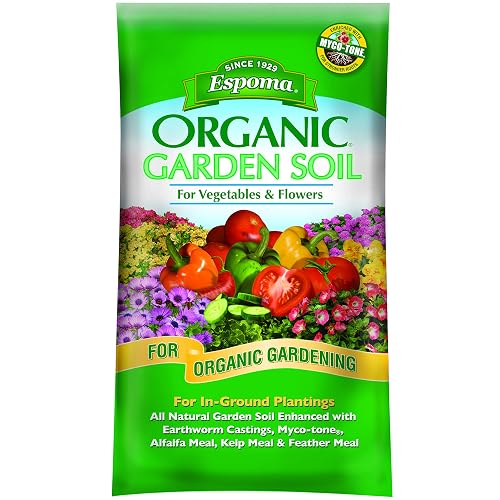 TOP CHOICEBest for in-ground plantingEspoma Organic Vegetable & Flower Garden SoilView on Amazon
- 4
 Best for flower bedsMiracle Gro Garden Soil FlowersView on Amazon
- 5
 Best for roses and perennialsCoast of Maine Roses and FlowersView on Amazon
- 6
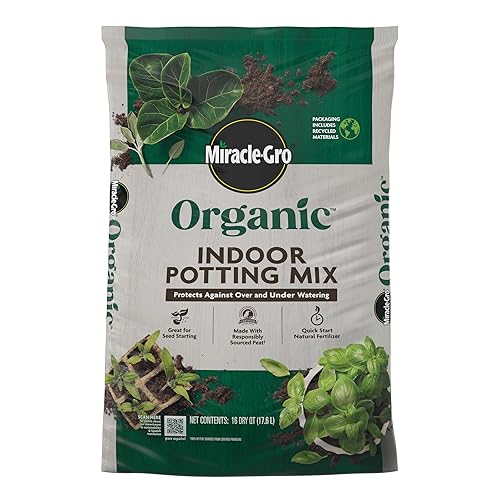 Best for container plantsMiracle-Gro Organic Indoor Potting MixView on Amazon
- 7
 Best budget pickAll Purpose Top Soil PailView on Amazon
How we selected these: we looked at stated ingredients and certifications, container size and format, suitability for vegetables and containers, and recurring feedback themes from owners. We did not run our own trials, so treat the notes below as a research summary rather than hands-on results.
Our Top Picks
Quick Comparison
| Product | Best for | Key feature |
|---|---|---|
| All Purpose Top Soil Pail | Budget-minded general planting | Versatile mix for vegetables, flowers and shrubs |
| Miracle-Gro Organic Indoor Potting Mix | Container and houseplant use | Moisture-balancing formula, OMRI listed |
| Burpee Premium Organic Potting Mix Garden Soil | Containers and mixed outdoor beds | Coconut coir base, OMRI listed |
| Ultimate Organic Vegetable & Herb Mix Soil | Vegetable and herb beds | Compressed bale format, 2 cu. ft. |
| Miracle Gro Garden Soil Flowers | Flower beds and ornamental plantings | 1.5 cu. ft. bag size |
| Coast of Maine Roses and Flowers | Roses, annuals and perennials | Organic planting soil, 20 qt pack of 8 |
| Espoma Organic Vegetable & Flower Garden Soil | In-ground planting and transplanting | Organic in-ground planting mix, 1 cu. ft. bag |
Ultimate Organic Vegetable & Herb Mix Soil
Ultimate Organic Vegetable & Herb Mix Soil, Compressed Bale, 2-Cu. Ft.
Best for: Vegetable and herb beds where you want a mix aimed at edibles from the start.
This suits gardeners filling new raised beds who want a soil marketed specifically for vegetables and herbs rather than general potting use.
Key specs
- Compressed bale format
- 2 cubic feet
- Organic vegetable and herb formulation
Pros
- Formulated with edibles in mind
- Compressed format is easier to transport in quantity
- Good volume for a single bed fill
Cons
- Bales need time to break up and hydrate before use
- Limited detail on exact nutrient analysis in the listing
Bottom line: A strong choice for vegetable gardeners who want an organic mix specifically labeled for food crops.
Espoma Organic Vegetable & Flower Garden Soil
Espoma Organic Vegetable & Flower Garden Soil Natural and Organic in Ground Planting Mix. Use When Planting & Transplanting. for Organic Gardening. 1 Cubic Foot Bag
Best for: In-ground planting and transplanting in organic gardens.
It fits gardeners who plan to amend existing ground or set transplants directly and prefer a natural, organic mix.
Key specs
- 1 cubic foot bag
- Natural and organic planting mix
- Labeled for use when planting and transplanting
Pros
- Clear use instructions on the label for transplanting
- Organic positioning suits organic gardening programs
- Smaller bag size is easy to manage when mixing into beds
Cons
- One cubic foot per bag means many bags for a large bulk order
- Not specifically described as bulk or pallet-sized
Bottom line: Best for organic gardeners who mostly plant into the ground and want a familiar, widely used mix.
Burpee Premium Organic Potting Mix Garden Soil
Burpee Premium Organic Potting Mix Garden Soil with Coconut Coir for Indoor Plants & Outdoor Containers, OMRI Listed, Ideal for Vegetables, Flowers, Herbs (9 Quarts, 0.12-0.12-0.12)
Best for: Containers and raised beds where good drainage and aeration matter.
This is a fit for gardeners who grow in pots, grow boxes or mixed outdoor containers and want a lightweight, organic base.
Key specs
- 9 quarts per bag
- Coconut coir base
- OMRI listed
Pros
- Coconut coir improves moisture retention without heavy compaction
- OMRI listing supports organic gardening goals
- Works for both indoor plants and outdoor containers
Cons
- Bag size is small for filling large raised beds
- Potting-style mix may settle faster than heavier garden soil
Bottom line: A good pick for container-heavy gardens. For full raised beds, buy several bags or pair it with a heavier bulk soil.
Miracle Gro Garden Soil Flowers
Miracle Gro Garden Soil Flowers, 1.5 cu. ft.
Best for: Flower beds and ornamental plantings, with vegetables as a secondary use.
It suits gardeners who want a dependable, widely available mix for borders and flowerbeds.
Key specs
- 1.5 cubic feet
- Designed for flowers
- Miracle-Gro brand formulation
Pros
- Well-known brand with easy availability
- Good volume for medium-sized flower beds
- Simple to mix into existing garden soil
Cons
- Labeled for flowers, so vegetable growers may want a dedicated edible mix
- Owners often recommend checking moisture levels when first opening the bag
Bottom line: Best for flower-focused beds and borders. Vegetable growers should compare its nutrient profile against an edible-specific mix.
Coast of Maine Roses and Flowers
Coast of Maine Roses and Flowers, 20qt (Pack of 8) Organic and Natural Planting Soil for Roses, Annual and Perennial Flowers
Best for: Roses, annuals and perennials that prefer a rich, organic planting soil.
It is aimed at ornamental growers, especially those planting roses or mixed perennial beds.
Key specs
- 20 quarts per bag, pack of 8
- Organic and natural planting soil
- Formulated for roses and flowers
Pros
- Pack format gives substantial total volume
- Organic positioning for rose and perennial beds
- Well suited to planting holes and bed amendment
Cons
- Flower-specific, so less targeted for vegetables
- Heavy to move in quantity, so plan delivery or staging
Bottom line: A strong choice for rose gardeners and ornamental beds who want an organic bulk option in pack form.
Miracle-Gro Organic Indoor Potting Mix
Protects Against Over & Under Watering, Planting Soil For Indoor Container Plants, Houseplants & Starter Plants, OMRI Listed Miracle-Gro Organic Indoor Potting Mix, 16 qt.
Best for: Indoor containers and houseplants that need consistent moisture.
This is for gardeners who keep plants in pots, including starter plants and container vegetables grown indoors.
Key specs
- 16 quart bag
- OMRI listed organic formulation
- Marketed to help balance over- and under-watering
Pros
- Moisture-balancing positioning helps reduce watering mistakes
- OMRI listed for organic growers
- Good for starter plants and container transplants
Cons
- Potting mix rather than garden soil, so it is less suited to full raised beds
- Bag volume is modest for bulk bed filling
Bottom line: Ideal for indoor and container growers. Not the first choice for filling large outdoor beds.
All Purpose Top Soil Pail
All Purpose Top Soil Pail, Garden Potting Soil Indoor Plants Mix and Potting Soil Outdoor Plants, Versatile Potting Mix for Flowers Vegetables Shrubs and Landscaping (12 lb)
Best for: Budget-conscious general planting across vegetables, flowers and landscaping.
It suits gardeners who want one versatile mix for many uses and are comfortable blending it with their own compost.
Key specs
- 12 lb pail
- All-purpose potting and planting mix
- Suitable for flowers, vegetables and shrubs
Pros
- Versatile across many plant types
- Compact pail format is easy to handle
- Useful for small top-dressing jobs
Cons
- Small pail size is not practical for full bulk bed fills
- General-purpose mixes may need amending for heavy feeders
Bottom line: A practical choice for small top-ups and general planting. For bulk raised beds, a larger format will be more efficient.
Buying Guide
Check the intended use: vegetables, flowers, or containers
Mixes labeled for vegetables or herbs usually target a balanced nutrient profile for food crops. Flower and rose mixes may be richer in ornamental-focused ingredients. Container and potting mixes are lighter and drain faster, which suits pots but can dry out quickly in deep raised beds.
Good picks for this: Ultimate Organic Vegetable & Herb Mix Soil, Miracle Gro Garden Soil Flowers
Look for organic certification
If you garden organically, look for OMRI listing or a clear organic statement on the label. OMRI is a recognized third-party organization that reviews input materials for organic use. Certification does not guarantee performance, but it helps you match your gardening standards.
Good picks for this: Burpee Premium Organic Potting Mix Garden Soil, Miracle-Gro Organic Indoor Potting Mix
Match the format to how you will deliver and use it
Bulk bags, pails, compressed bales and multi-packs each have different handling needs. A 2 cubic foot bale is manageable for one bed, while a pack of eight 20-quart bags spreads weight across several trips. Measure your beds first: length × width × depth in feet, divided by 27, gives cubic yards, and you can convert to bags from there.
Good picks for this: Ultimate Organic Vegetable & Herb Mix Soil, Coast of Maine Roses and Flowers
Consider the growing environment
Raised beds drain differently from containers and in-ground planting. Heavier garden soils hold more moisture and structure, while lighter potting-style blends suit pots and indoor growing. Choose a mix that suits the depth and drainage of your setup.
Good picks for this: Espoma Organic Vegetable & Flower Garden Soil, Burpee Premium Organic Potting Mix Garden Soil
Check moisture and handling on arrival
Compressed or dry bulk soils often need to be broken up and watered before use. Plan for a day or two of hydration, and keep the material covered if you cannot spread it right away. Owners often mention that dry, compacted mixes take longer to rehydrate evenly than they expect.
Good picks for this: Ultimate Organic Vegetable & Herb Mix Soil, Miracle Gro Garden Soil Flowers
Plan for amendments and nutrition
Many bagged soils are sold as complete planting mixes, but heavy feeders like tomatoes and squash often benefit from added compost. Check whether the label mentions added fertilizer, and plan your own compost or slow-release amendments accordingly.
Good picks for this: All Purpose Top Soil Pail, Espoma Organic Vegetable & Flower Garden Soil
Think about the quantity you actually need
Buying more than you need wastes money, while buying too little means a second delivery. A standard 4 ft × 8 ft raised bed 12 inches deep holds about 3.5 cubic yards, so calculate before you order. Keep a little extra for settling, which often reduces the level of a bed by several inches over the first season.
Good picks for this: Miracle Gro Garden Soil Flowers, Coast of Maine Roses and Flowers
FAQ
What is the best garden soil to buy in bulk for raised beds?
For vegetable raised beds, an organic mix labeled for vegetables and herbs is a practical starting point. Compare volume, organic status and whether the soil is described as suitable for in-ground or container use.
How much garden soil do I need for a raised bed?
Multiply length, width and depth in feet, then divide by 27 to get cubic yards. A 4 ft × 8 ft bed at 12 inches deep needs about 3.5 cubic yards. Add 10 to 15 percent for settling.
Is bagged garden soil the same as bulk garden soil?
Not always. Bagged products are packaged for retail handling, while bulk garden soil is usually sold by the cubic yard or in large loads. Many bagged options are suitable for smaller jobs, and bulk loads suit larger beds.
Do I need to add compost to garden soil from a bag?
Often yes, especially for heavy feeders or long-season crops. Adding compost improves structure and nutrient availability over time, and many gardeners mix it in at planting.
Can I use potting mix instead of garden soil in raised beds?
You can, but potting mixes drain faster and may dry out in deep beds. Some gardeners blend potting mix with heavier garden soil to balance moisture and structure.
How long does bulk garden soil take to settle?
Settling varies by product and climate, but many beds drop noticeably over the first few months. Plan to top up in the first season rather than assuming the full depth will remain.
Conclusion
For most vegetable raised beds, an organic mix labeled for vegetables and herbs is the most direct match, such as the Ultimate Organic Vegetable & Herb Mix Soil. Container and indoor growers will do better with lighter potting-style blends like the Burpee Premium Organic Potting Mix Garden Soil or the Miracle-Gro Organic Indoor Potting Mix. Flower and rose gardeners can compare the Miracle Gro Garden Soil Flowers and Coast of Maine Roses and Flowers. Measure your beds, decide on organic or conventional, and choose the format that fits your delivery and handling needs.
Sources
- Research-based guidance on soil preparation, raised bed mixes and composting for home gardeners (extension.org)
- Information on organic standards and the National Organic Program (usda.gov)
- Guidance on home composting and managing organic materials in gardens (epa.gov)
Related reading
- Who Has Garden Soil on Sale: Where to Look and How to Buy Smart
- Where to Buy Bulk Garden Soil: 6 Best Picks for Raised Beds (2026)
- Miracle Gro Garden Soil Sale: Where to Find Deals and What to Buy
- Bulk Garden Soil Delivered: A Step-by-Step Buying and Prep Guide
- Bulk Delivery Garden Soil: 7 Best Picks for Raised Beds (2026)
- 7 Best Places for Buying Bulk Garden Soil for Raised Beds (2026)
- 7 Best Organic Garden Soil in Bulks for Raised Beds (2026)
- 7 Best Bulk Garden Soils for Raised Beds of 2026
About Ethan Brooks
Ethan Brooks is part of our editorial team and reviews and edits our vegetable & edible gardening guides, checking product details against manufacturer specifications and owner feedback.