 By Emily Parker
Updated November 2026
Oregano and cucumber companion planting is a popular pairing among home vegetable growers who want to tuck a hardy herb next to their vines without sacrificing space or harvest. The idea is simple: oregano is a low, aromatic perennial that many gardeners believe may help confuse certain pests, while cucumbers provide a sprawling, fast-growing crop that benefits from a little company at the edge of the bed. Choosing a good reference book can make the difference between a tidy planting plan and a tangle of guesswork. Below, we compare four titles on companion planting, judged on how clearly they explain pairings, how practical their spacing and timing advice is, and how useful they are for a beginner who is planning a first season.
Our top picks at a glance
- 1
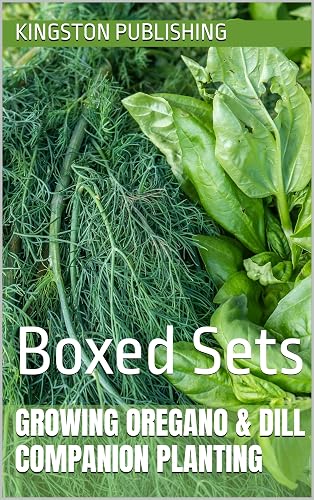 TOP CHOICEBest overallGrowing Oregano & Dill Companion Planting : Boxed SetsView on Amazon
- 2
 Best for dahlia and cucumber growersGrowing Dahlias in Pots & Cucumber Companion Planting : Boxed SetsView on Amazon
- 3
 Best for chemical-free gardensCompanion Planting for BeginnersView on Amazon
- 4
 Best for climate-specific planningKnow Your Zone and Companion PlantingView on Amazon
Our Top Picks
Quick Comparison
| Product | Best for | Key feature |
|---|---|---|
| Growing Oregano & Dill Companion Planting : Boxed Sets | Gardeners who want herb-focused pairings | Covers oregano alongside dill in one set |
| Growing Dahlias in Pots & Cucumber Companion Planting : Boxed Sets | Growers mixing flowers and vegetables | Pairs cucumbers with ornamental plantings |
| Companion Planting for Beginners | First-time gardeners avoiding synthetic chemicals | Plain-language, chemical-free approach |
| Know Your Zone and Companion Planting | Gardeners planning around their climate | Zone-based pairing guidance |
Growing Oregano & Dill Companion Planting : Boxed Sets
Growing Oregano & Dill Companion Planting : Boxed Sets (Plant Care Guides for Beginners)
Best for: Herb gardeners who want focused advice on oregano pairings
This set suits gardeners who already grow or plan to grow oregano and want to understand where it fits among other crops. Because the listing centers on oregano and dill, it leans toward herb-bed planning rather than full-garden layouts. It is a sensible starting point if your main interest is keeping herbs healthy and productive around vegetables.
Key specs:
- Format: boxed set in the Plant Care Guides for Beginners series
- Focus: oregano and dill companion planting
Pros
- Clear focus on the two herbs most often grown together
- Beginner-friendly series framing
- Useful for planning herb borders near cucumbers
Cons
- Less coverage of cucumbers specifically than a cucumber-focused title
- Narrower scope if you grow a large mixed vegetable plot
Bottom line: A good pick for gardeners who want herb-centered guidance and a clear beginner path. If cucumbers are your main crop, pair it with a vegetable-focused title.
Growing Dahlias in Pots & Cucumber Companion Planting : Boxed Sets
Growing Dahlias in Pots & Cucumber Companion Planting : Boxed Sets (Flowers)
Best for: Growers who combine flowers and cucumbers in the same space
This set is aimed at gardeners who mix ornamentals with edibles, especially those with containers or small beds. It makes sense for readers who want cucumbers and flowering plants sharing a border and who care about how the two groups interact over a season.
Key specs:
- Format: boxed set in the Flowers category
- Focus: dahlias in pots and cucumber companion planting
Pros
- Useful for mixed flower-and-vegetable beds
- Addresses cucumbers directly, not just herbs
- Good fit for container gardeners
Cons
- Limited relevance if you grow only edible crops
- Does not focus on oregano specifically
Bottom line: Best for gardeners who want cucumbers and ornamentals planned together. Oregano readers may need to supplement with herb-specific material.
Companion Planting for Beginners
Companion Planting for Beginners: Pair Your Plants for a Bountiful, Chemical-Free Vegetable Garden
Best for: Beginners who want a chemical-free approach to pairing crops
This title suits new gardeners who want a broad introduction to pairing plants without relying on synthetic inputs. It is a good foundation for understanding why certain combinations are recommended and how to plan a whole vegetable garden around them.
Key specs:
- Focus: pairing plants for a chemical-free vegetable garden
- Audience: beginners building a first companion plan
Pros
- Broad coverage that helps you see the whole garden
- Emphasis on natural, chemical-free methods
- Accessible for first-season planners
Cons
- General scope means fewer deep dives on individual pairs
- May need supplementing with crop-specific spacing charts
Bottom line: A strong starting point for beginners who want a wide-angle view of companion planting before narrowing down to specific crops like oregano and cucumbers.
Know Your Zone and Companion Planting
Know Your Zone and Companion Planting: The Simple Guide to Gardening Success in Pairings plants for Every Climate
Best for: Gardeners who want pairings matched to their climate
This guide is for readers who know that a pairing that works in one region may behave differently in another. If you garden in a short season or a hot, dry climate, climate-aware advice can help you time your cucumber and oregano plantings more realistically.
Key specs:
- Focus: companion planting organized around hardiness zones
- Audience: gardeners planning for a specific climate
Pros
- Helpful zone-based framing for timing decisions
- Covers pairings for a range of climates
- Practical for planning planting dates
Cons
- Zone focus may feel general for experienced growers
- Crop-by-crop depth on oregano and cucumbers may be limited
Bottom line: Ideal for gardeners who want climate-matched planning. Pair it with a specific oregano or cucumber guide for the finer details.
Buying Guide
Match the book to your main crop
Decide whether cucumbers, oregano or both are the center of your plan. A herb-focused title will serve oregano well, while a vegetable-focused title covers cucumber spacing and trellising more thoroughly. If you grow both, look for a book that covers each crop separately.
Good picks for this: Growing Oregano & Dill Companion Planting : Boxed Sets, Growing Dahlias in Pots & Cucumber Companion Planting : Boxed Sets
Check the depth of pairing advice
Some books list companions in a single table, while others explain why a pairing may help. Look for explanations of pest deterrence, shade, and root interaction, since these help you adapt advice to your own garden rather than copying a chart blindly.
Good picks for this: Companion Planting for Beginners, Know Your Zone and Companion Planting
Consider spacing and layout guidance
Cucumbers spread quickly and oregano forms a dense mat, so spacing matters. A useful guide gives plant-to-plant distances and explains how to keep herbs from crowding vines. Check whether the book includes diagrams or bed layouts you can adapt.
Good picks for this: Growing Oregano & Dill Companion Planting : Boxed Sets, Companion Planting for Beginners
Think about your climate and season length
Planting dates for cucumbers depend on frost timing, and oregano behaves differently in cool and warm regions. A climate-aware guide helps you schedule transplants and direct sowing, especially if you garden in a short-season area.
Good picks for this: Know Your Zone and Companion Planting, Growing Dahlias in Pots & Cucumber Companion Planting : Boxed Sets
Evaluate container and small-space advice
If you grow in pots or raised beds, look for guidance on container depth, drainage and root competition. Mixed flower-and-vegetable containers have different needs from open ground, and some titles address this directly.
Good picks for this: Growing Dahlias in Pots & Cucumber Companion Planting : Boxed Sets
Look for beginner-friendly structure
A clear layout with short chapters, glossaries and simple summaries helps you act on the advice. Series titles designed for beginners often include plain-language explanations of terms like succession planting and intercropping.
Good picks for this: Companion Planting for Beginners, Growing Oregano & Dill Companion Planting : Boxed Sets
Weigh the chemical-free approach
Many gardeners prefer pairing strategies over synthetic pest control. If that matches your goals, choose a title that emphasizes organic methods and explains how companion plants may support, rather than replace, good garden hygiene and monitoring.
Good picks for this: Companion Planting for Beginners, Know Your Zone and Companion Planting
FAQ
Does oregano really help cucumbers grow better?
Oregano is often recommended near cucumbers because gardeners report that its strong aroma may deter some pests, and its low growth habit keeps it out of the way. Evidence for specific benefits is mostly anecdotal, so treat it as a useful addition rather than a guaranteed fix. Good watering, spacing and soil care still matter most.
How far apart should oregano be planted from cucumbers?
Leave at least 12 to 18 inches between oregano and the nearest cucumber plant. This gives the herb room to spread and keeps cucumber vines from shading or crowding it. Adjust based on your variety and how much space your trellis or bed allows.
When should I plant oregano with cucumbers?
Set oregano transplants out after the last spring frost, when nighttime temperatures stay above about 50°F. Cucumbers are often direct-sown or transplanted at the same time, so planting both in the same window works well in most regions.
Can oregano and cucumbers share a container?
It is possible but not ideal. Cucumbers need a large container, often at least 5 gallons per plant, while oregano prefers good drainage and less frequent watering. Separate containers usually give better results and make watering easier.
What pests might oregano help with near cucumbers?
Gardeners often mention cucumber beetles and aphids as pests they hope oregano may discourage. Results vary, and no companion plant replaces monitoring. Check the undersides of leaves regularly and use targeted controls if populations grow.
Is oregano a good plant to grow near other vining crops?
Oregano can sit well near vining crops because it stays low and tolerates partial shade. Keep it out of the path of trailing vines and make sure it gets enough sun, since oregano prefers at least six hours of direct light.
Should I cut back oregano to keep it from crowding cucumbers?
Yes. Trim oregano regularly to keep it compact, and remove any stems that spread toward cucumber vines. Regular harvesting also keeps the plant bushy and productive throughout the season.
Conclusion
For most gardeners pairing oregano with cucumbers, a herb-focused guide is the most direct starting point, which is why the oregano and dill set ranks first for overall fit. Growers who also grow ornamental flowers in mixed beds will find the dahlia and cucumber title more relevant. Beginners who want a wide, chemical-free overview should consider the general companion planting book, while those planning around climate and season length will benefit from the zone-based guide. Whichever you choose, combine the advice with careful spacing, consistent watering and regular pest checks.
Sources
- Research-based gardening and pest management guidance from land-grant university extension services (extension.org)
- Hardiness zone maps and frost date information for planning planting schedules (usda.gov)
- Agricultural research on pest management and plant interactions in vegetable crops (ars.usda.gov)
Before you buy: helpful guides
Related reading
- Rosemary and Cucumber Companion Planting: A Step-by-Step Guide
- Marigold and Cucumber Companion Planting: Steps, Spacing and Pitfalls
- Companion Planting with Oregano: 7 Best Partners and Pitfalls (2026)
About Emily Parker
Emily Parker is part of our editorial team and reviews and edits our vegetable & edible gardening guides, checking product details against manufacturer specifications and owner feedback.