 By Emily Parker
Updated November 2026
Green beans and peppers companion planting is a topic many home gardeners want to get right, but the advice online is often scattered and hard to verify. This list is for readers who want a dependable reference on pairing vegetables, planning beds and managing pests without relying on guesswork. The selection criteria were the scope of the book, how clearly it explains spacing and bed layout, whether it addresses pest and soil management for vegetables like beans and peppers, the author’s apparent focus on practical growing, and patterns in owner feedback about usefulness for beginners.
Our top picks at a glance
- 1
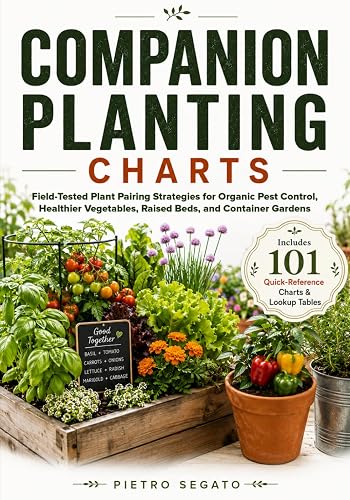 TOP CHOICEBest overallCompanion Planting ChartsView on Amazon
- 2
 TOP CHOICEBest for beginnersCompanion Planting for Beginners — Better Harvests, NaturallyView on Amazon
- 3
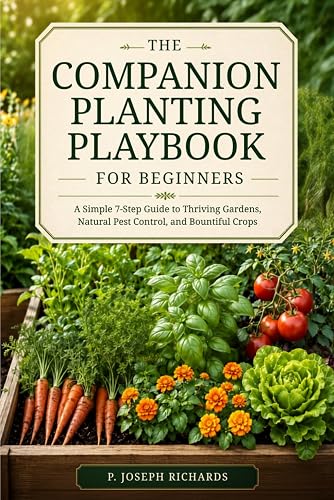 TOP CHOICEBest for a step-by-step planThe Companion Planting Playbook for BeginnersView on Amazon
- 4
 Best for evidence-based adviceCompanion Planting for Vegetable GardensView on Amazon
- 5
 Best for a comprehensive referenceThe Companion Planting BIBLEView on Amazon
- 6
 Best budget pickBasic Companion Planting for Successful Vegetable GardeningView on Amazon
Our Top Picks
Quick Comparison
| Product | Best for | Key feature |
|---|---|---|
| Companion Planting Charts | Quick reference while planning | Chart-based pairing guidance for beds and containers |
| Companion Planting for Beginners | First-time vegetable growers | Charts combined with garden plans and crop rotation |
| The Companion Planting Playbook for Beginners | Readers who want a structured process | A simple seven-step framework |
| Companion Planting for Vegetable Gardens | Gardeners who want the reasoning behind pairings | Evidence-based explanations of pairings and pest control |
| The Companion Planting BIBLE | Long-term, whole-garden planning | Seasonal garden planners and soil guidance |
| Basic Companion Planting for Successful Vegetable Gardening | Budget-minded readers | Short, plain-language coverage of plant partners |
Companion Planting for Vegetable Gardens
Companion Planting for Vegetable Gardens: The Beginner’s Evidence-Based Guide to Pairing Vegetables, Herbs, and Flowers for Natural Pest Control, Healthier Plants, and Bigger Harvests for Any Garden
Best for: Gardeners who want to understand why a pairing works, not just whether it works
This book suits readers who like to see the reasoning behind a recommendation. If you plan to grow green beans and peppers together and want to know what the evidence says about pest deterrence, shading and soil effects, its focus on explanation is useful. It also pairs vegetables with herbs and flowers, which helps when you are designing a broader bed.
Key specs
- Covers vegetables, herbs and flowers
- Aimed at beginners, with an evidence-based approach
- Addresses natural pest control and plant health
Pros
- Explains the reasoning behind pairings
- Useful for mixed beds beyond beans and peppers
- Focuses on practical outcomes like healthier plants
Cons
- Less step-by-step planning than a workbook-style guide
- Readers wanting a single pepper-specific chart may need a supplement
Bottom line: A strong choice for gardeners who want to understand the logic of companion planting before committing to a layout.
Companion Planting Charts
COMPANION PLANTING CHARTS: 101 Companion Planting Charts for Organic Pest Control, Better Vegetable Pairings, Raised Beds, and Container Gardens … for Raised Beds, Containers & Small Spaces)
Best for: Quick reference while planning beds and containers
This title is built around charts, which makes it handy when you are sketching a layout and need to check whether green beans and peppers should share a bed or stay apart. It covers raised beds and container gardens, so it fits smaller spaces as well as in-ground plots.
Key specs
- Organized as companion planting charts for vegetables
- Addresses raised beds, containers and small spaces
- Covers organic pest control and pairing guidance
Pros
- Easy to scan when comparing crop pairs
- Applies to containers and raised beds
- Good for planning at a glance
Cons
- Charts summarize rather than explain each pairing in depth
- Pairing advice may need checking against local growing conditions
Bottom line: Best for gardeners who want a fast, visual reference and plan to use it alongside a layout method.
Companion Planting for Beginners — Better Harvests, Naturally
Companion Planting for Beginners — Better Harvests, Naturally: Companion Planting Charts, Garden Plans, Crop Rotation, and Succession Planting
Best for: First-time vegetable growers who want charts and a plan in one place
If you are new to planting green beans and peppers in the same space, this guide pulls together companion charts, sample garden plans, crop rotation and succession planting. That combination helps beginners see how a pairing fits into the full season rather than treating it as a one-off decision.
Key specs
- Includes companion planting charts
- Covers garden plans, crop rotation and succession planting
- Written for beginners
Pros
- Connects pairings to rotation and succession planning
- Helpful layout examples for beds
- Accessible tone for new growers
Cons
- Broad scope means less depth on any single crop pair
- Some plans may need adapting to your climate
Bottom line: A practical all-in-one starting point for a beginner planning a full vegetable bed.
The Companion Planting Playbook for Beginners
The Companion Planting Playbook for Beginners: A Simple 7-Step Guide to Thriving Gardens, Natural Pest Control, and Bountiful Crops
Best for: Readers who want a structured, step-by-step process
The title describes a simple seven-step guide, which suits gardeners who prefer to work through a method rather than browse reference charts. You can apply the steps to a green bean and pepper bed by deciding on spacing, timing and pest checks in sequence.
Key specs
- Organized as a seven-step guide
- Covers natural pest control and crop yield
- Aimed at beginners
Pros
- Clear sequence that is easy to follow
- Focuses on practical outcomes
- Good for building a repeatable planning habit
Cons
- The step format can feel general for experienced growers
- Crop-specific detail for peppers may be limited
Bottom line: Ideal for a beginner who wants a guided method for planning a companion bed from start to finish.
The Companion Planting BIBLE
The Companion Planting BIBLE: The Ultimate Beginner's Guide to Building a Pest-Free Ecosystem, Improving Soil Quality, and Increasing Garden Yield | With Seasonal Garden Planners
Best for: Long-term, whole-garden planning
This is the broadest title on the list, covering pest ecosystems, soil quality and yield, with seasonal garden planners included. It suits gardeners who think in terms of multi-year planning and want to coordinate green beans, peppers and other crops across the whole plot.
Key specs
- Includes seasonal garden planners
- Covers pest-free ecosystems and soil quality
- Aimed at beginners wanting higher yields
Pros
- Comprehensive scope across the season
- Planners help track timing and rotation
- Connects soil health to pairing decisions
Cons
- Broad coverage can dilute focus on any one pairing
- Larger scope may feel heavy for a small garden
Bottom line: Best for someone planning a full garden season who wants planners and soil guidance alongside pairings.
Basic Companion Planting for Successful Vegetable Gardening
BASIC COMPANION PLANTING for SUCCESSFUL VEGETABLE GARDENING: A Simplified Beginner's Guide to Using Plant Partners for Organic Pest Control and Chemical-Free Vegetables (Bruce's Basic Garden Guides)
Best for: Budget-minded readers who want a short, plain-language guide
Part of the Bruce’s Basic Garden Guides series, this title focuses on using plant partners for organic pest control and chemical-free vegetables. Its simplified approach suits readers who want the essentials without a large reference library.
Key specs
- Part of the Bruce’s Basic Garden Guides series
- Focuses on organic pest control with plant partners
- Written in simplified language for beginners
Pros
- Short and easy to read
- Straightforward explanations of plant partners
- Good entry point for organic growers
Cons
- Less planning detail than larger titles
- Fewer charts or layout examples
Bottom line: A good fit for a reader who wants a simple, organic-focused introduction to pairing vegetables.
Buying Guide
Scope: beans and peppers specifically or general vegetables
Some guides focus on pairings for many crops, while others go deeper on a few. If you want specific advice for green beans and peppers, check whether the table of contents or chart includes both crops. A general guide can still help, but you may need to apply its principles yourself.
Good picks for this: Companion Planting for Vegetable Gardens, Companion Planting Charts
Format: charts, plans or narrative
Charts are fast to scan. Narrative explanations help you understand why a pairing works. Garden plans show how to lay out beds. Decide which format suits how you plan before buying.
Good picks for this: Companion Planting for Beginners — Better Harvests, Naturally, The Companion Planting Playbook for Beginners
Experience level
Beginner-oriented books tend to explain basic terms and avoid assuming prior knowledge. Experienced growers may find these too general and prefer a reference-style guide with more detail on individual crops.
Good picks for this: Basic Companion Planting for Successful Vegetable Gardening, The Companion Planting Playbook for Beginners
Planning horizon
If you plan only one season, a focused guide may be enough. If you rotate crops over several years or want seasonal planners, look for a title that covers succession planting and rotation.
Good picks for this: The Companion Planting BIBLE, Companion Planting for Beginners — Better Harvests, Naturally
Pest and soil focus
Green beans and peppers can both be affected by common garden pests, and soil condition influences how well either crop performs. Check whether the book addresses natural pest control and soil quality in a way that matches your goals.
Good picks for this: The Companion Planting BIBLE, Companion Planting for Vegetable Gardens
Container and small-space relevance
If you grow in raised beds or containers, look for guidance that addresses limited space. Some charts explicitly cover these setups, which can save adjustment time.
Good picks for this: Companion Planting Charts
Clarity and length
Shorter guides are quicker to finish but may skip detail. Longer references offer depth but take more time. Choose based on how much reading you want to do before planting season.
Good picks for this: Basic Companion Planting for Successful Vegetable Gardening, The Companion Planting BIBLE
FAQ
Do green beans and peppers grow well together?
Green beans and peppers are commonly grown near each other in home gardens because they have similar sun and water needs. Companion planting claims about them are mostly based on practical experience and general principles, so treat specific benefits as something to observe in your own plot.
How far apart should green beans and peppers be planted?
Spacing depends on the bean type and pepper variety, but many gardeners leave enough room for air circulation between plants. Check the seed packet or a reliable extension guide for your crop before finalizing a layout.
Should I use a companion planting chart or a book?
A chart gives quick pairing reminders, while a book explains reasoning and often includes planning steps. Many gardeners use both: a chart for quick checks and a book for deeper planning.
Can companion planting replace pest control?
Companion planting can support pest management, but it is not a complete solution. Regular monitoring and appropriate control methods are still important for healthy beans and peppers.
Are companion planting books useful for container gardens?
Some titles address raised beds and containers directly. Confirm that the guide covers small spaces if that is how you grow.
Is companion planting backed by science?
Evidence varies by pairing. Some interactions have research support, while others rest on anecdotal reports. A book that explains its sources or reasoning can help you judge which advice to trust.
Conclusion
For a broad, evidence-minded reference, Companion Planting for Vegetable Gardens is a strong choice. Beginners who want charts and plans together may prefer Companion Planting for Beginners — Better Harvests, Naturally. Readers who want a structured process can start with The Companion Planting Playbook for Beginners, while those planning a full season may find The Companion Planting BIBLE most useful. Companion Planting Charts suits quick reference, and Basic Companion Planting for Successful Vegetable Gardening is a simple, budget-minded introduction. Match the pick to your experience level and planning style, and verify specific crop advice against your local extension service.
Sources
- Research-based vegetable growing guides from land-grant university extension programs, including planting and spacing information (extension.org)
- Federal guidance on integrated pest management and sustainable garden practices (usda.gov)
Before you buy: helpful guides
Related reading
- Peppers and Beans Companion Planting: A Step-by-Step Guide
- Green Beans and Tomatoes Companion Planting: A Step-by-Step Guide
About Emily Parker
Emily Parker is part of our editorial team and reviews and edits our vegetable & edible gardening guides, checking product details against manufacturer specifications and owner feedback.