 By Ethan Brooks
Updated November 2026
Finding nutrient rich soil for vegetable garden beds is one of the most useful things you can do before planting. Vegetables are heavy feeders, and the quality of the growing medium sets the ceiling on yield, flavor, and resistance to pests and disease. This guide looks at six bagged soils and amendments that gardeners commonly use to build fertile vegetable beds. The selection criteria were organic matter content, the range of nutrients and biological activity each product provides, how well it suits in-ground amendment versus raised beds or containers, and the patterns owners tend to describe in their feedback. We did not grow crops in these products ourselves; the comparisons below rely on manufacturer specifications and commonly reported owner experience.
Our top picks at a glance
- 1
 TOP CHOICEBest overallBurpee Premium Organic Potting Mix Garden Soil with Coconut Coir for IView on Amazon
- 2
 TOP CHOICEBest for raised bedsHarris All Purpose Premium Potting Soil Mix with Worm Castings and OthView on Amazon
- 3
 TOP CHOICEBest for enriching existing bedsBack to the Roots Organic Compost for Vegetable Garden, 1 Cubic FootView on Amazon
- 4
 Best liquid soil boosterFarmer’s Secret Soil Revitalizer – Organic (OMRI Listed) Dirt Health BView on Amazon
- 5
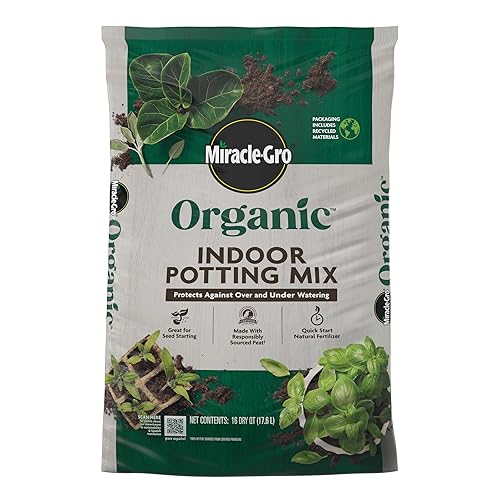 Best for watering consistencyProtects Against Over & Under Watering, Planting Soil For Indoor ContaView on Amazon
- 6
 Best budget pick for blendingCompost Bliss (8 Qts) – 100% Natural Compost Soil for Gardening, SeedView on Amazon
Our Top Picks
Quick Comparison
| Product | Best for | Key feature |
|---|---|---|
| Burpee Premium Organic Potting Mix Garden Soil | All-round vegetable containers and beds | OMRI listed, coconut coir base |
| Harris All Purpose Premium Potting Soil Mix | Raised beds and containers | Worm castings included |
| Back to the Roots Organic Compost for Vegetable Garden | Enriching existing garden beds | Peat-free compost blend |
| Farmer’s Secret Soil Revitalizer | Boosting soil biology between seasons | Liquid humic acid concentrate |
| Miracle-Gro Organic Indoor Potting Mix | Container vegetables with uneven watering | Moisture-balancing formulation |
| Compost Bliss Natural Compost Soil | Blending into custom soil mixes | 100% natural compost |
Burpee Premium Organic Potting Mix Garden Soil with Coconut Coir for Indoor Plants & Outdoor Containers, OMRI Listed, Ideal for Vegetables, Flowers, Herbs (9 Quarts, 0.12-0.12-0.12)
Burpee Premium Organic Potting Mix Garden Soil with Coconut Coir for Indoor Plants & Outdoor Containers, OMRI Listed, Ideal for Vegetables, Flowers, Herbs (9 Quarts, 0.12-0.12-0.12)
Best for: All-round vegetable containers and beds that need a ready-to-plant, organic-listed mix
This is a convenient choice for gardeners who want to fill a container or a small raised bed without mixing their own medium. It suits beginners and anyone who prefers a consistent, pre-blended product over sourcing separate components. If you want more background, see How Soil Type Affects Your Pollinator Garden Plants.
Key specs
- Volume: 9 quarts
- Listed guaranteed analysis: 0.12-0.12-0.12 (low, slow-release nutrient levels)
- OMRI listed for organic use
- Coconut coir base for moisture retention and airflow
Pros
- OMRI listing makes it suitable for organic growing
- Coconut coir improves drainage and holds moisture without compacting
- Easy to handle for small-scale planting
Cons
- Low nutrient analysis means heavy feeders may need supplemental fertilizer
- Small volume is not practical for large in-ground beds
Bottom line: A strong pick for container vegetables and small beds if you want an organic-listed mix that is ready to use. Plan on feeding tomatoes and squash during the season.
Harris All Purpose Premium Potting Soil Mix with Worm Castings and Other Nutrients, 4 Quarts
Harris All Purpose Premium Potting Soil Mix with Worm Castings and Other Nutrients, 4 Quarts
Best for: Raised beds and containers where worm castings add biological activity
This suits gardeners who want a mix with visible biological inputs, such as worm castings, rather than a plain peat-and-perlite blend. It works well for starting seeds and transplanting into containers.
Key specs
- Volume: 4 quarts
- Includes worm castings and added nutrients
Pros
- Worm castings supply slow-release nutrients and microbial activity
- Good for seed starting and transplanting
- Compact size is easy to test with a small planting
Cons
- Small bag limits use in larger raised beds
- Nutrient content is modest, so later feeding is still needed for fruiting crops
Bottom line: A good choice for container gardeners and anyone who wants worm castings in the mix without building their own blend.
Back to the Roots Organic Compost for Vegetable Garden, 1 Cubic Foot
Organic compost soil amendment for raised beds, gardens and plants; peat-free blend with yucca and gypsum; 25.7 quart bag Back to the Roots Organic Compost for Vegetable Garden, 1 Cubic Foot
Best for: Enriching existing garden beds and working compost into the top several inches of soil
Gardeners with established in-ground beds often need organic matter more than a full soil replacement. This product is aimed at that job, and it can also be mixed into raised bed soil at the start of the season.
Key specs
- Volume: 1 cubic foot
- Peat-free compost blend
- Marketed for raised beds, gardens, and plants
Pros
- Peat-free formulation suits gardeners who avoid peat
- Adds organic matter that improves structure over time
- Works both as a top dressing and as a mix-in amendment
Cons
- A single cubic foot covers only a limited area of beds
- Nutrient release is slower than liquid amendments, so results build over weeks
Bottom line: Best for gardeners who need to boost organic matter in beds they already have, rather than starting from scratch.
Farmer’s Secret Soil Revitalizer – Organic (OMRI Listed) Dirt Health Booster – Liquid Compost Soil Amendment – Activated Humic Acid (32oz)
Farmer’s Secret Soil Revitalizer – Organic (OMRI Listed) Dirt Health Booster – Liquid Compost Soil Amendment – Activated Humic Acid – Great for Fall/Spring Application (32oz)
Best for: Boosting soil biology and nutrient availability between seasons
This is a liquid concentrate for gardeners who want to support soil life and nutrient uptake in beds that are already planted or about to be. It is a supplement, not a standalone growing medium.
Key specs
- Volume: 32 oz
- OMRI listed for organic use
- Contains activated humic acid
- Liquid application
Pros
- Easy to apply with a watering can or hose-end sprayer
- Humic acid is associated with improved nutrient availability in soil
- Suitable for both spring and fall application, as the listing states
Cons
- Does not add bulk organic matter, so it cannot replace compost or a soil mix
- Effects are hard to measure without a soil test before and after
Bottom line: A useful add-on for gardeners who already have decent soil and want a liquid boost. Pair it with compost rather than relying on it alone.
Miracle-Gro Organic Indoor Potting Mix Protects Against Over & Under Watering, Planting Soil For Indoor Container Plants, Houseplants & Starter Plants, OMRI Listed, 16 qt.
Protects Against Over & Under Watering, Planting Soil For Indoor Container Plants, Houseplants & Starter Plants, OMRI Listed Miracle-Gro Organic Indoor Potting Mix, 16 qt.
Best for: Container vegetables where uneven watering is a problem
Owners of containers, especially those who forget to water on time, often look for a mix that buffers moisture swings. This product is marketed with that goal, though its listing focuses on indoor and houseplant use.
Key specs
- Volume: 16 quarts
- OMRI listed for organic use
- Marketed as protecting against over- and under-watering
Pros
- Large volume for filling multiple containers
- Moisture-buffering claim suits busy gardeners
- OMRI listing supports organic practice
Cons
- Listing centers on indoor plants, so vegetable-specific fertility needs supplementing
- Buffering claims are manufacturer statements; results vary with container size and climate
Bottom line: A practical option for containers on patios or balconies where watering is inconsistent. Plan on regular feeding for tomatoes and peppers.
Compost Bliss (8 Qts) – 100% Natural Compost Soil for Gardening, Seed Starting Soil, & Potting Mixes
Compost Bliss (8 Qts) – 100% Natural Compost Soil for Gardening, Seed Starting Soil, & Potting Mixes – Compost Organic Garden Fertilizer – Mix with Potting Soil Indoor Plants & Outdoor Plants
Best for: Blending into custom soil mixes at a modest cost per batch
Gardeners who like to build their own raised bed or container mixes often use plain compost as a base. This suits people who want one ingredient they can adjust, rather than a finished blend.
Key specs
- Volume: 8 quarts
- Listed as 100% natural compost
- Suitable for seed starting and potting mixes
Pros
- Flexible ingredient for custom mixes
- Useful for seed starting when blended with a lighter medium
- Natural compost adds organic matter and microbial life
Cons
- Compost alone can be dense and may compact in containers
- Small volume means it is best used as one part of a larger mix
Bottom line: Good for gardeners who enjoy mixing their own soil and want a natural compost component to start with.
Buying Guide
Organic Matter Content
Nutrient-rich vegetable soil is mostly built on organic matter. Look for products that list compost, worm castings, or other decomposed material as main ingredients rather than filler. Organic matter holds nutrients and water, feeds soil organisms, and improves structure over time. Products that name compost, coconut coir, or worm castings on the label generally offer more than plain peat or bark.
Good picks for this: Back to the Roots Organic Compost for Vegetable Garden, Harris All Purpose Premium Potting Soil Mix
Nutrient Analysis and Release Rate
Check the guaranteed analysis, usually shown as three numbers for nitrogen, phosphorus, and potassium. Low numbers, like 0.12-0.12-0.12, mean the product is a base medium rather than a heavy fertilizer. Many organic soils release nutrients slowly, so heavy feeders such as tomatoes, squash, and peppers often need supplemental feeding during the season.
Good picks for this: Burpee Premium Organic Potting Mix Garden Soil, Compost Bliss Natural Compost Soil
Drainage and Aeration
Vegetable roots need oxygen as well as water. Soils that stay soggy or compact suppress growth. Coconut coir, perlite, and pine bark fines improve airflow. When you judge a mix, consider how it will behave in your container or bed, not only its nutrient label.
Good picks for this: Burpee Premium Organic Potting Mix Garden Soil, Miracle-Gro Organic Indoor Potting Mix
Use Case: Container, Raised Bed, or In-Ground
A bag suited to containers may be too light or too expensive per cubic foot for large beds. Raised beds of 6 to 12 inches deep typically need several cubic feet of mix. In-ground beds usually need compost worked into existing soil rather than a full replacement. Match the product to the scale of the job.
Good picks for this: Harris All Purpose Premium Potting Soil Mix, Back to the Roots Organic Compost for Vegetable Garden
Organic Certification
OMRI listing indicates that a product has been reviewed for use in certified organic production. If you follow organic practice or sell produce, check for this listing. Non-listed products may still be fine for home gardening, but they require more checking of ingredients.
Good picks for this: Burpee Premium Organic Potting Mix Garden Soil, Farmer’s Secret Soil Revitalizer
Supplemental Amendments
Liquid amendments and humic-based products do not replace a growing medium. They support biology and nutrient uptake in soil that already has structure and organic matter. Use them between seasons or as a boost during peak growth, and consider a soil test to see whether you need them.
Good picks for this: Farmer’s Secret Soil Revitalizer, Back to the Roots Organic Compost for Vegetable Garden
Moisture Management
Containers dry out faster than beds and can swing between soggy and parched. Mixes marketed for moisture buffering, or those containing coir, help hold water without staying wet. Check your watering habits before choosing; a mix that holds moisture suits gardeners who water irregularly.
Good picks for this: Miracle-Gro Organic Indoor Potting Mix, Burpee Premium Organic Potting Mix Garden Soil
FAQ
What makes soil nutrient rich for vegetables?
Nutrient-rich soil combines decomposed organic matter, a balanced texture that drains but still holds water, and a healthy population of soil organisms. Organic matter releases nitrogen, phosphorus, and potassium slowly as it breaks down, and it holds those nutrients where roots can reach them.
Is potting mix the same as garden soil for vegetables?
No. Potting mixes are typically lighter and designed for containers, often with coir, bark, or perlite. Garden soil is heavier and meant for in-ground planting. For raised beds and containers, a potting-style mix with compost works well. For in-ground beds, compost mixed into native soil is usually the better approach.
Do I need to add fertilizer to nutrient rich soil?
Often yes, especially for heavy feeders like tomatoes, squash, and corn. Even good organic soil releases nutrients gradually, and fruiting crops draw heavily during peak growth. Many gardeners add a balanced organic fertilizer or side-dress with compost partway through the season.
How often should I refresh soil in a vegetable bed?
Most gardeners add compost to beds every season or at least once a year, and replace the top several inches of container soil between crops. Soil that has grown the same crop repeatedly may need more frequent amendment and attention to rotation.
Can I make my own nutrient rich soil mix?
Yes. A common base is equal parts compost, topsoil or coir, and a aeration component such as perlite or pine bark. Adjust the proportions to your conditions. A soil test is the most reliable way to decide whether you need lime, sulfur, or specific nutrients.
When should I get a soil test?
A soil test is useful before starting a new bed, when yields drop, or when you suspect nutrient problems. University extension services commonly offer testing for pH and nutrient levels. If your results show deficiencies or pH far from the usual 6.0 to 7.0 range for most vegetables, adjust accordingly.
Conclusion
For most vegetable beds, the right nutrient rich soil depends on whether you are filling containers, building raised beds, or enriching existing ground. The Burpee Premium Organic Potting Mix Garden Soil suits all-round container and small bed work, while the Harris mix adds worm castings for gardeners who want biological activity in a ready blend. For established in-ground beds, Back to the Roots Organic Compost gives the most direct organic matter boost. Farmer’s Secret Soil Revitalizer works best as a liquid supplement alongside compost. Miracle-Gro Organic Indoor Potting Mix suits inconsistent watering, and Compost Bliss is a flexible ingredient for custom blends. Whatever you choose, plan on feeding heavy feeders during the season and confirming your soil with a test if results disappoint.
Sources
- Research-based guidance on soil health, organic matter, and vegetable nutrition from land-grant university extension services (extension.org)
- Information on soil health principles, organic matter, and sustainable soil management practices (usda.gov)
- Extension publications on soil testing, compost use, and raised bed vegetable production (oregonstate.edu)
Before you buy: helpful guides
- Raised Garden Bed Soil Mixture: A Step-by-Step Recipe for Healthy Vegetables
- Raised Garden Soil Mixture: A Step-by-Step Recipe for Vegetables
- Raised Bed Garden Soil Composition: A Step-by-Step Guide for Vegetables
- Raised Garden Bed Soil Layers: A Step-by-Step Guide for Vegetables
- Best Soil Mixture for Raised Garden Beds: A Step-by-Step Recipe for Vegetables
About Ethan Brooks
Ethan Brooks is part of our editorial team and reviews and edits our vegetable & edible gardening guides, checking product details against manufacturer specifications and owner feedback.