By Ethan Brooks
Updated November 2026
Gardeners who want to build healthier soil without synthetic fertilizers usually start with organic garden soil amendments: materials like compost, worm castings, gypsum and humic-rich liquids that improve structure, feed soil life and supply nutrients slowly. The challenge is that these products differ a lot. Some are fast-acting liquids, some are bulk compost for filling beds, and some fix one specific problem, such as calcium deficiency. This guide compares five amendments that fit vegetable, herb and raised-bed gardens. Our selection criteria were product specifications, the clarity of the label (organic certification, ingredients, application rate), brand reputation, and the feedback patterns owners commonly report. We did not test these products ourselves; the comparison is based on published specifications and general horticultural practice.
Our top picks at a glance
- 1
 TOP CHOICEBest overallFarmer’s Secret Soil Revitalizer – Organic (OMRI Listed) Dirt Health BView on Amazon
- 2
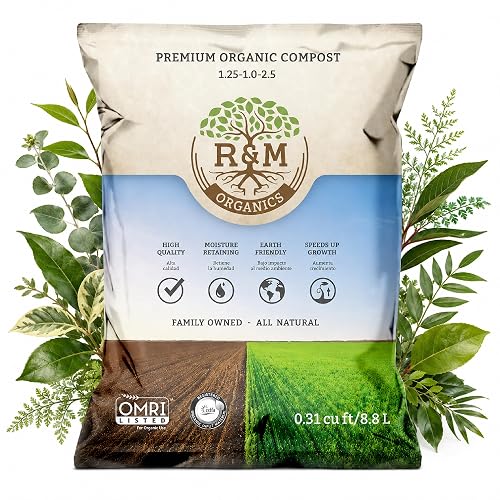 TOP CHOICEBest for raised bed fillingR&M Organics Compost Soil Amendment Fertilizer for Garden Plants & Lawns (10 lb)View on Amazon
- 3
 TOP CHOICEBest for seedlings and transplantsHorticulture Soil Amendment – Organic Earthworm Castings Blend – 8 Qt – Natural MaterialView on Amazon
- 4
 Best for calcium-deficient soilOrganic Gypsum Powder 5LB – Made in USA – OMRI Listed – Calcium SulfatView on Amazon
- 5
 Best budget pick for container and bed top-upsBrut Cow Compost – Nutrient-Rich Composted Cow Manure Organic Soil AmeView on Amazon
Our Top Picks
| Product | Best for | Key feature |
|---|---|---|
| Farmer’s Secret Soil Revitalizer | Feeding established beds through the season | OMRI-listed liquid with humic acid |
| R&M Organics Compost Soil Amendment | Filling and mixing raised beds | Manure-based, moisture-retentive, low odor |
| Horticulture Soil Amendment Organic Earthworm Castings Blend | Seedlings, transplants and potting mixes | Gentle, slow-release worm castings |
| Organic Gypsum Powder 5LB | Correcting calcium and sulfur needs | Calcium sulfate dihydrate, OMRI listed |
| Brut Cow Compost | Topping up beds, containers and lawns | 100% composted cow manure, additive-free |
Farmer’s Secret Soil Revitalizer – Organic (OMRI Listed) Dirt Health Booster – Liquid Compost Soil Amendment – Activated Humic Acid – Great for Fall/Spring Application (32oz)
Farmer’s Secret Soil Revitalizer – Organic (OMRI Listed) Dirt Health Booster – Liquid Compost Soil Amendment – Activated Humic Acid – Great for Fall/Spring Application (32oz)
Best for: Feeding established vegetable and flower beds with a liquid amendment during the growing season.
This is a good fit for gardeners who already have reasonable soil and want to improve its biology and nutrient availability without digging in bulk material. Liquid amendments are easy to apply with a watering can or hose-end sprayer, which suits raised beds and containers.
Key specs
- Container size: 32 oz
- Form: liquid compost-based soil amendment
- Contains activated humic acid
- OMRI listed (per the listing name)
- Labeled for fall and spring application
Pros
- Easy to apply through irrigation or a sprayer
- Humic acid is commonly associated with improved nutrient uptake
- Suitable for mid-season top-dressing
Cons
- A 32 oz bottle covers only a small area, so larger gardens need several bottles
- Liquid amendments don’t add bulk or change soil texture the way compost does
Bottom line: Choose this if you want a convenient, organic way to support soil biology in existing beds rather than a material to build new soil.
R&M Organics Compost Soil Amendment Fertilizer for Garden Plants & Lawns (10 lb)
10 lb manure based retains moisture low-odor vegetables flowers herbs raised bed potting mix indoor outdoor organic gardening R&M Organics Compost Soil Amendment Fertilizer for Garden Plants & Lawns
Best for: Mixing into raised beds and potting soil where you need bulk organic matter.
This suits gardeners building a new raised bed or refreshing an old one. A manure-based compost adds organic matter, helps soil hold moisture and gives a gradual nutrient supply. The 10 lb size is best for small-scale mixing rather than filling large beds.
Key specs
- Package size: 10 lb
- Base material: manure-based compost
- Labeled for vegetables, flowers, herbs and lawns
- Listed as low-odor and moisture-retentive
Pros
- Adds real organic matter to improve structure
- Works in raised beds, containers and in-ground planting
- Low odor compared with raw manure
Cons
- 10 lb is not enough to fill a full raised bed; plan on mixing with other materials
- Nutrient content varies between compost batches
Bottom line: A practical choice for amending a small bed or container mix rather than building a large planting area from scratch.
Horticulture Soil Amendment – Organic Earthworm Castings Blend – 8 Qt – Natural Material
Horticulture Soil Amendment – Organic Earthworm Castings Blend – 8 Qt – Natural Material
Best for: Seedlings, transplants and a gentle nutrient boost in potting mixes.
Earthworm castings are mild and slow-releasing, which makes them a common choice for young plants that can be damaged by strong fertilizers. Gardeners often mix a small share into potting mix or sprinkle it around transplants at planting time.
Key specs
- Volume: 8 quarts
- Material: organic earthworm castings blend
- Natural, unprocessed organic material
Pros
- Mild enough for seedlings and sensitive transplants
- Supports soil microbial activity
- Can be blended into potting mixes or used as a side-dress
Cons
- Lower in bulk than compost, so it does not improve soil structure on its own
- Pricier per pound than bulk compost, which makes it better as a supplement
Bottom line: Best for gardeners who start seedlings indoors or want a gentle feed for young plants, rather than a bulk soil builder.
Organic Gypsum Powder 5LB – Made in USA – OMRI Listed – Calcium Sulfate Dihydrate – Garden Soil Amendment Fertilizer for Lawns, Plants, Mushroom Cultivation. Calcium & Sulfur. Cures Blossom End Rot
Organic Gypsum Powder 5LB – Made in USA – OMRI Listed – Calcium Sulfate Dihydrate – Garden Soil Amendment Fertilizer for Lawns, Plants, Mushroom Cultivation. Calcium & Sulfur. Cures Blossom End Rot
Best for: Supplying calcium and sulfur, and addressing blossom end rot in tomatoes and peppers.
Gypsum is a mineral amendment rather than a compost, and it is useful when soil tests show low calcium or when tomato and pepper fruit develop blossom end rot. Note that blossom end rot is often linked to inconsistent watering, so gypsum works best alongside steady moisture.
Key specs
- Package size: 5 lb
- Material: calcium sulfate dihydrate (gypsum)
- Provides calcium and sulfur
- OMRI listed (per the listing name)
Pros
- Supplies calcium without raising soil pH
- Can help loosen heavy clay soils
- Useful as a targeted fix based on soil test results
Cons
- Does not add organic matter or general fertility
- Only needed when soil is actually low in calcium; applying unnecessarily wastes material
Bottom line: Pick this for a specific calcium problem confirmed by a soil test, not as a routine amendment.
Brut Cow Compost – Nutrient-Rich Composted Cow Manure Organic Soil Amendment – 100% Pure Compost, Additive-Free Fertilizer for Vegetable Gardens, Flowers, Lawns & Indoor Plants – 10 Quart
Brut Cow Compost – Nutrient-Rich Composted Cow Manure Organic Soil Amendment – 100% Pure Compost, Additive-Free Fertilizer for Vegetable Gardens, Flowers, Lawns & Indoor Plants – 10 Quart
Best for: Topping up raised beds, containers and vegetable plots with a straightforward compost.
This is a simple, additive-free compost option for gardeners who want a single, recognizable organic material. It works well as a top-dressing each spring or as a layer mixed into planting holes.
Key specs
- Volume: 10 quarts
- Material: composted cow manure, 100% pure compost
- Labeled additive-free
- Suitable for vegetables, flowers, lawns and indoor plants
Pros
- Simple ingredient list with no added fillers
- Good for annual top-dressing of vegetable beds
- Versatile across garden and indoor uses
Cons
- Nutrient levels in composted manure vary by batch, so results can differ
- 10 quarts covers only a small area
Bottom line: A good everyday compost for top-dressing and container refreshes if you want something uncomplicated.
Buying Guide
Check whether the amendment is actually organic
Look for an OMRI listing or a clear statement that the product meets USDA organic standards. Many soil products use the word “natural” without third-party certification, so the label wording matters. If you plan to use the soil on a certified organic operation, certification is essential. For a home garden, it is still a useful signal of what the material contains.
Good picks for this: Farmer’s Secret Soil Revitalizer, Organic Gypsum Powder 5LB
Match the form to the job: liquid, bulk or mineral
Liquid amendments feed soil biology and are easy to apply through irrigation. Bulk compost improves structure and adds organic matter. Mineral amendments such as gypsum correct specific deficiencies. Using the wrong form is the most common mistake: a liquid will not fix compacted clay, and compost will not quickly correct a calcium shortage.
Good picks for this: R&M Organics Compost Soil Amendment, Brut Cow Compost
Calculate how much you need
A common rule of thumb for raised bed mixing is to blend about 25 to 30 percent finished compost into the planting mix, although many gardeners adjust this based on their existing soil. For top-dressing, a layer of about one-half to one inch spread over the surface is typical each season. Measure bed volume in cubic feet (length × width × depth) before buying, since small bags cover very little area.
Good picks for this: R&M Organics Compost Soil Amendment, Brut Cow Compost
Get a soil test before buying minerals
Mineral amendments should be applied based on evidence. A basic soil test from your state extension service shows pH and nutrient levels, including calcium. Without that information, you may add gypsum or lime your soil does not need. Extension offices typically return results with specific application recommendations.
Good picks for this: Organic Gypsum Powder 5LB
Consider nutrient release speed
Earthworm castings and liquid humic products tend to act more quickly or gently, which suits young plants. Composts release nutrients gradually over a season. Choose based on when your plants need feeding. Fast feeding is useful at transplanting; slow release suits the long middle of the season.
Good picks for this: Horticulture Soil Amendment Organic Earthworm Castings Blend, Farmer’s Secret Soil Revitalizer
Check for contaminants and label clarity
Manure-based products should be fully composted to reduce pathogen risk and odor. Look for words like “composted” and “additive-free” and check that ingredients are listed. If you grow food, avoid materials of unknown origin and wash hands after handling compost. Consult your local extension office if you have specific food-safety concerns.
Good picks for this: Brut Cow Compost, R&M Organics Compost Soil Amendment
Think about storage and handling
Bulk compost should be kept dry or covered to prevent it from becoming waterlogged and smelly. Gypsum and castings store well in sealed containers. Liquid products should be kept out of freezing temperatures unless the label says otherwise. Read storage directions before buying a large quantity.
Good picks for this: Organic Gypsum Powder 5LB, Farmer’s Secret Soil Revitalizer
FAQ
What are organic garden soil amendments?
Organic garden soil amendments are natural materials added to soil to improve its structure, fertility or biology. Common examples include compost, earthworm castings, manure-based products, humic substances and minerals like gypsum that are permitted in organic gardening.
How often should I add organic amendments to my garden?
Most vegetable gardens benefit from adding compost once or twice a year: in early spring before planting and sometimes again after the main harvest. Liquid amendments can be applied every few weeks during the growing season, following the label directions.
Can I use compost and gypsum together?
Yes. They do different jobs. Compost adds organic matter and general nutrients, while gypsum supplies calcium and sulfur and can help loosen heavy clay. A soil test will show whether gypsum is needed.
Do organic amendments change soil pH?
Some do, but gypsum generally does not raise or lower pH significantly, while lime does. Compost may shift pH slightly over time depending on its ingredients. Test your soil if pH is a concern.
Is manure-based compost safe for vegetables?
Fully composted manure is generally considered safer than fresh manure because the composting process reduces pathogens and weed seeds. Apply it several weeks or more before harvest and wash produce thoroughly. For specific food-safety guidance, consult your state extension service.
How do I know if my soil needs an amendment?
A soil test from a university extension lab or state agricultural service is the most reliable method. It reports pH, nutrient levels and organic matter. Visual signs such as poor drainage, crusting, or slow plant growth can also point to a need for organic matter, but they do not identify specific deficiencies.
Can organic amendments fix blossom end rot?
Gypsum can supply calcium, which is the nutrient linked to blossom end rot, but the disorder is often triggered by uneven watering. Consistent moisture, mulching and a soil test should be part of the solution. A soil test will confirm whether calcium is actually limited.
Conclusion
Organic garden soil amendments cover a wide range of materials, and the right choice depends on what your soil needs. For a broad, all-around liquid feed for established beds, Farmer’s Secret Soil Revitalizer is a practical pick. For building or refreshing raised beds, the R&M Organics compost and Brut Cow Compost are straightforward bulk options, with Brut suited to smaller top-dressing jobs. For seedlings and potting mixes, the earthworm castings blend offers a gentle start. For calcium problems confirmed by a soil test, Organic Gypsum Powder is the targeted tool. Start with a soil test, match the product to the problem, and apply according to label directions.
Sources
- National Organic Program standards and what qualifies as an organic input (usda.gov)
- Research-based guidance on soil testing, compost use and nutrient management (extension.org)
- Information on safe handling and use of composted materials and soil (epa.gov)
Related reading
- Top 7 Organic Veggie Garden Soil Picks for Healthy Harvests in 2026
- Top 7 Organic Raised Bed Garden Soil Picks for Healthy Vegetables
- Top 7 Miracle-Gro Organic Raised Bed & Garden Soil Picks for 2026
About Ethan Brooks
Ethan Brooks is part of our editorial team and reviews and edits our vegetable & edible gardening guides, checking product details against manufacturer specifications and owner feedback.