 By Ethan Brooks
Updated November 2026
Shoppers looking for a pro mix premium organic garden soil mix usually want one thing: a bagged or bricked medium that drains well, feeds plants for weeks, and is certified for organic growing. This guide compares seven products that fit that need, but they are not all the same kind of product. Some are full potting mixes, some are seed-starting blends, some are compressed coir bricks you hydrate yourself, and one is a compost-based amendment meant to be mixed into other media. The selection criteria were drawn from manufacturer specifications, OMRI listing status, ingredient transparency, packaging format, and the patterns that gardeners commonly describe in owner feedback. Nothing here comes from personal testing or lab work, so treat the notes as a research summary to check against your own garden.
Our top picks at a glance
- 1
 TOP CHOICEBest overallUltimate Organic Vegetable & Herb Mix Soil, Compressed Bale, 2-Cu. Ft.View on Amazon
- 2
 TOP CHOICEBest for seed startingPromix Premier Horticulture Organic Pro Seed Starting Mix; 16 qtView on Amazon
- 3
 TOP CHOICEBest for vegetables and containersBurpee Premium Organic Potting Mix Garden Soil with Coconut Coir (9 Quarts)View on Amazon
- 4
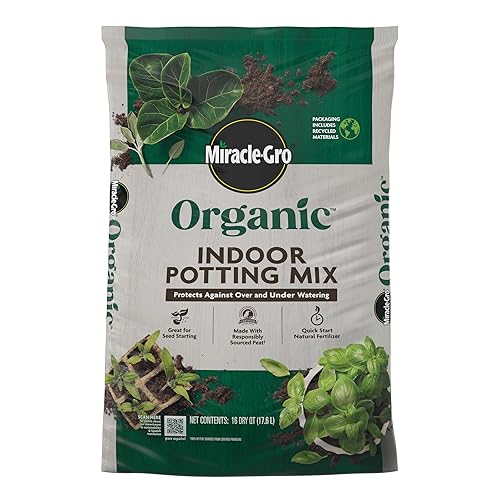 Best for indoor and outdoor potsMiracle-Gro Protects Against Over & Under Watering Planting Soil, OMRI Listed, 16 qtView on Amazon
- 5
 Best for bulk mixingBack to the Roots 10 lb Compressed Coco Coir Brick, Expanding Organic Potting SoilView on Amazon
- 6
 Best for amending existing bedsCompost Bliss (8 Qts) 100% Natural Compost Soil for GardeningView on Amazon
- 7
 Best for houseplants and aroidsRosy Soil Biochar and Worm Castings Potting Soil, Peat Free, 4 QuartsView on Amazon
Our Top Picks
| Product | Best for | Key feature |
|---|---|---|
| Ultimate Organic Vegetable & Herb Mix Soil | Vegetable and herb beds and pots | Compressed bale that is hydrated and fluffed before use |
| Promix Premier Horticulture Organic Pro Seed Starting Mix | Starting seeds and cuttings | Fine, light texture with a bulk format |
| Burpee Premium Organic Potting Mix Garden Soil | Vegetables, flowers and herbs in containers | OMRI-listed mix with coconut coir |
| Miracle-Gro Organic Indoor Potting Mix | Indoor and outdoor container plants | Moisture-balancing formulation |
| Back to the Roots Organic Expanding Potting Soil Brick | Gardeners who want to mix their own volume | Compressed peat-free coir that expands to about 51 quarts |
| Compost Bliss Natural Compost Soil | Enriching beds and blending with potting soil | 100% natural compost for fertility |
| Rosy Soil Biochar and Worm Castings Potting Soil | Houseplants and tropical indoor plants | Biochar and worm castings with peat-free base |
Ultimate Organic Vegetable & Herb Mix Soil, Compressed Bale, 2-Cu. Ft.
Ultimate Organic Vegetable & Herb Mix Soil, Compressed Bale, 2-Cu. Ft.
Best for: Overall vegetable and herb growing in beds or large containers.
This suits gardeners who want a complete, ready-to-use organic mix in one purchase and are comfortable hydrating a compressed bale. Two cubic feet is a meaningful volume for a raised bed top-up or several large pots.
Key specs
- Format: compressed bale
- Volume: 2 cubic feet when fully expanded
- Designed for vegetables and herbs in beds and containers
Pros
- Large volume in a single bale
- Organic formulation suited to edible plants
- Compact to store and transport before use
Cons
- Needs hydration and breaking up before planting
- Expanded volume can surprise first-time buyers if they expect a bag
Bottom line: A strong first choice for gardeners planting vegetables and herbs who want volume and an organic label without buying several bags.
Burpee Premium Organic Potting Mix Garden Soil with Coconut Coir (9 Quarts)
Burpee Premium Organic Potting Mix Garden Soil with Coconut Coir for Indoor Plants & Outdoor Containers, OMRI Listed, Ideal for Vegetables, Flowers, Herbs (9 Quarts, 0.12-0.12-0.12)
Best for: Vegetables, flowers and herbs in containers.
This is a good fit for container gardeners who want a bagged, all-purpose organic mix labeled for indoor and outdoor use. The coconut coir base helps with moisture retention, which many container growers find useful during hot weather.
Key specs
- Volume: 9 quarts
- OMRI Listed for organic use
- Coconut coir component
Pros
- Clearly labeled as OMRI Listed
- Ready to use straight from the bag
- Suitable for a wide range of vegetables and flowers
Cons
- Nine quarts covers only a few large containers
- Owners often report it can dry quickly in full sun without a moisture-retaining topdressing
Bottom line: Best for container gardeners who want a labeled organic mix in a convenient bag size.
Promix Premier Horticulture Organic Pro Seed Starting Mix; 16 qt
Promix Premier Horticulture Organic Pro Seed Starting Mix; 16 qt with My Garden Pool PH Soil Test Strips 20 ct, and Gardening Claw Gloves and Garden-IQ, Smart Gardening AI Assistant!
Best for: Starting seeds, sowing cuttings and germinating vegetable transplants.
Seed starting needs a finer, lighter medium than a general potting mix, and this listing is aimed squarely at that task. It is a good choice for gardeners who start large numbers of transplants each spring.
Key specs
- Volume: 16 quarts
- Organic seed starting formulation
- Fine texture suited to germination
Pros
- Light texture that suits small seeds
- Generous bulk volume
- Designed for propagation rather than mature container growing
Cons
- Not intended as a long-term container mix; seedlings will need repotting
- Fine texture can dry out faster than heavier mixes
Bottom line: Pick this for seed trays and cutting propagation, not for growing mature tomatoes in a pot.
Miracle-Gro Protects Against Over & Under Watering Planting Soil, OMRI Listed, 16 qt
Protects Against Over & Under Watering, Planting Soil For Indoor Container Plants, Houseplants & Starter Plants, OMRI Listed Miracle-Gro Organic Indoor Potting Mix, 16 qt.
Best for: Indoor and outdoor container plants that are prone to watering mistakes.
Gardeners who tend to overwater or forget to water will find the moisture-balancing claim appealing. The mix is positioned for a broad range of container plants, including starter plants.
Key specs
- Volume: 16 quarts
- OMRI Listed organic indoor potting mix
- Marketed for both indoor and outdoor containers
Pros
- Moisture-balancing formulation reduces watering guesswork
- Large bag for multiple pots
- OMRI Listed status
Cons
- Marketed more toward ornamental and houseplant use than vegetable production
- Owners often report that heavy feeders may need supplemental fertilizer later in the season
Bottom line: A sensible choice for mixed indoor and patio containers where consistent moisture is the main concern.
Back to the Roots 10 lb Compressed Coco Coir Brick, Expanding Organic Potting Soil
Back to the Roots10 lb compressed coco coir brick made of coconut coir; peat-free, OMRI Listed; seed starter soil, garden soil, indoor plants Organic Expanding Potting Soil Brick, Expands to 51 Qts
Best for: Gardeners who want to control the mix and produce a large volume from a small, dense block.
This is a building block rather than a finished soil. It suits people who already have compost or perlite on hand and want to blend their own medium, or who need to transport a large volume cheaply in terms of shipping weight.
Key specs
- Compressed coconut coir brick, 10 lb
- Expands to about 51 quarts
- Peat-free and OMRI Listed
Pros
- Very large expanded volume from one brick
- Peat-free base suits environmentally minded growers
- Easy to blend with compost for custom mixes
Cons
- Coir alone has little nutrition and must be amended
- Requires soaking and fluffing, which takes time and some water
Bottom line: Ideal for experienced growers who want a base medium they can customize for vegetable beds and seed starting.
Compost Bliss (8 Qts) 100% Natural Compost Soil for Gardening
Compost Bliss (8 Qts) – 100% Natural Compost Soil for Gardening, Seed Starting Soil, & Potting Mixes – Compost Organic Garden Fertilizer – Mix with Potting Soil Indoor Plants & Outdoor Plants
Best for: Enriching existing vegetable beds and blending into potting mixes.
Compost is not a complete growing medium on its own, but it is an excellent fertility source. This product is best understood as an amendment that you add to your bed or pot mix rather than as the whole soil.
Key specs
- Volume: 8 quarts
- 100% natural compost
- Intended for blending with potting soil or topdressing
Pros
- Adds organic matter and nutrients to tired soil
- Useful for topdressing established vegetables
- Simple, single-ingredient profile
Cons
- Too dense to use alone as a container mix
- Eight quarts is small for large-scale bed work
Bottom line: Use this to feed beds and pots you already have, rather than as a standalone soil.
Rosy Soil Biochar and Worm Castings Potting Soil, Peat Free, 4 Quarts
Rosy SoilBiochar and Worm Castings, for Monstera, Pothos, Tropical Indoor Plants, Peat Free Houseplant Potting Soil, Organic Indoor Potting Mix, 4 Quarts
Best for: Houseplants and tropical indoor plants such as aroids.
This is a smaller, more specialized mix aimed at indoor plants that prefer airy, well-draining media. It is less suited to outdoor vegetable beds, but it can work for container herbs on a windowsill.
Key specs
- Volume: 4 quarts
- Peat-free base
- Contains biochar and worm castings
Pros
- Airy texture suited to aroids and pothos
- Peat-free formulation
- Worm castings add gentle fertility
Cons
- Small volume makes it costly per use for larger projects
- Not designed as a vegetable bed mix
Bottom line: A targeted choice for indoor tropical plants that need fast drainage, not for outdoor vegetables.
Buying Guide
Organic certification and labeling
Look for an OMRI Listed mark or a clear statement of organic inputs. The Organic Materials Review Institute reviews products for organic production suitability, and the USDA National Organic Program sets the broader standards for the organic label. Read the ingredient list rather than relying on the word “natural” alone, which is not a regulated term for soil products.
Good picks for this: Burpee Premium Organic Potting Mix Garden Soil, Ultimate Organic Vegetable & Herb Mix Soil
Texture and drainage
Fine seed-starting mixes hold moisture well but can compact. Coarser container mixes drain freely but dry faster. For most vegetable containers, a mix that feels light and crumbly when squeezed and drains within a few seconds is a good target.
Good picks for this: Promix Premier Horticulture Organic Pro Seed Starting Mix, Miracle-Gro Protects Against Over & Under Watering Planting Soil
Format: bag, bale, brick or amendment
A ready-to-use bag is simplest. A compressed bale or brick gives more volume per pound of shipping weight but needs hydration and breaking up. A compost amendment is for enriching what you already have. Match the format to how you will use it.
Good picks for this: Back to the Roots Compressed Coco Coir Brick, Compost Bliss Natural Compost Soil
Volume and how far it will go
Calculate your need before buying. A 12-inch-deep raised bed of 4 feet by 8 feet holds roughly 32 cubic feet, so a 2-cubic-foot product covers only a small slice of that. Container volume matters too: a 5-gallon pot needs about 0.67 cubic feet of mix. Buy for the whole project, not one container.
Good picks for this: Ultimate Organic Vegetable & Herb Mix Soil, Promix Premier Horticulture Organic Pro Seed Starting Mix
Moisture retention and watering behavior
Some mixes contain coir or added water-holding components that keep roots moist between waterings. This helps in hot weather but can keep soil soggy in cool, wet conditions. Check the pot after watering: the surface should dry slightly before the next irrigation.
Good picks for this: Burpee Premium Organic Potting Mix Garden Soil, Miracle-Gro Protects Against Over & Under Watering Planting Soil
Plant type and fertility needs
Heavy feeders such as tomatoes, squash and peppers need more nutrition than leafy greens or herbs. Many potting mixes include starter fertilizer that lasts several weeks. Plan a feeding schedule with a balanced organic fertilizer once the starter nutrition runs down, usually after four to six weeks.
Good picks for this: Compost Bliss Natural Compost Soil, Rosy Soil Biochar and Worm Castings Potting Soil
Reuse, storage and disposal
Store unopened bags in a dry place to prevent clumping. Spent potting mix can be added to compost or spread lightly into beds, but do not reuse diseased soil for seedlings. If a container had blight or root rot, discard the mix or solarize it before reuse.
Good picks for this: Back to the Roots Compressed Coco Coir Brick, Promix Premier Horticulture Organic Pro Seed Starting Mix
FAQ
Is a pro mix premium organic garden soil mix the same as potting soil?
Not exactly. Garden soil refers to native earth or amended in-ground media, while potting mix is a soilless blend of organic and mineral components designed for containers. Many bagged products labeled “garden soil” are actually potting-style mixes. Check the label for container suitability before using it in pots.
Can I use these mixes in raised beds?
Yes, most bagged organic mixes can fill raised beds, though the cost of filling a large bed with bagged product adds up. Many gardeners fill the lower portion with compost or topsoil and use a premium mix on top. Check the product’s container or bed guidance.
Do I need to fertilize organic potting mix?
Usually yes, at least after the starter nutrition is used up. Most organic mixes provide nutrients for about four to six weeks. Heavy-feeding vegetables will benefit from supplemental organic fertilizer afterward.
How long does a bag of potting mix last once opened?
Keep the bag sealed or rolled closed in a dry location. Use it within a season for best results, since dry mix can clump and lose moisture-holding ability over time.
Is coconut coir better than peat moss?
Coir is a renewable, peat-free alternative with similar water-holding properties. Many gardeners prefer it for environmental reasons. Coir may need buffering or fertilizer, so read the product’s pH and nutrition notes.
Can I mix these products together?
Yes. A common approach is a base of coir or potting mix blended with compost at roughly 3 parts base to 1 part compost by volume. Adjust to suit your plants and local soil conditions.
Should I consult a professional about soil testing?
For in-ground beds with known problems, a soil test through your local cooperative extension office is worthwhile. Extension specialists can interpret pH and nutrient results for your region.
Conclusion
For most vegetable and herb growers, the Ultimate Organic Vegetable & Herb Mix Soil offers the best balance of volume and organic labeling. Container gardeners will find the Burpee bag convenient, while seed starters should look at the Promix seed mix. Bulk and experienced mixers can build a custom medium from the Back to the Roots brick, and Compost Bliss works best as a fertility amendment. The Miracle-Gro moisture-balancing mix suits mixed indoor and patio pots, and the Rosy Soil blend fits tropical houseplants. Match the product to your plant type and project size, and you will get a medium that fits your garden.
Sources
- Organic standards and labeling rules under the National Organic Program (usda.gov)
- Research-based gardening guidance from land-grant university extension specialists (extension.org)
- Information on composting and reducing organic waste (epa.gov)
Before you buy: helpful guides
Related reading
- Pro Mix Organic Herb and Vegetable Garden Soil: 7 Best Picks for 2026
- Pro Mix Garden Soil: 4 Best Picks Compared for 2026
- Pro Mix Garden Soil: 4 Best Picks Compared for 2026
About Ethan Brooks
Ethan Brooks is part of our editorial team and reviews and edits our vegetable & edible gardening guides, checking product details against manufacturer specifications and owner feedback.


