 By Ethan Brooks
Updated November 2026
Choosing the right soil for garden boxes matters more than almost any other decision you make for a raised bed. Garden box soil has to drain well, hold enough moisture between waterings, and supply nutrients to vegetables that will grow in a confined space for an entire season. This list compares six ready-to-use mixes based on their stated ingredients, intended uses, drainage and moisture characteristics, and the patterns gardeners commonly report, with attention to whether each one suits filling a new box, topping off an old one, or growing in containers as well.
Our top picks at a glance
- 1
 TOP CHOICEBest overallPlant Soil For Outdoor Container Plants, Contains Quick-Release NaturaView on Amazon
- 2
 TOP CHOICEBest for container-to-bed transitionsBack to The Roots Organic Coir, 51 Quart Expanding Soil, Great for Seeds and PottingView on Amazon
- 3
 TOP CHOICEBest for heavy, long-term fillingMoisture Retaining Mix for Indoor and Outdoor Planting, Potting, and GView on Amazon
- 4
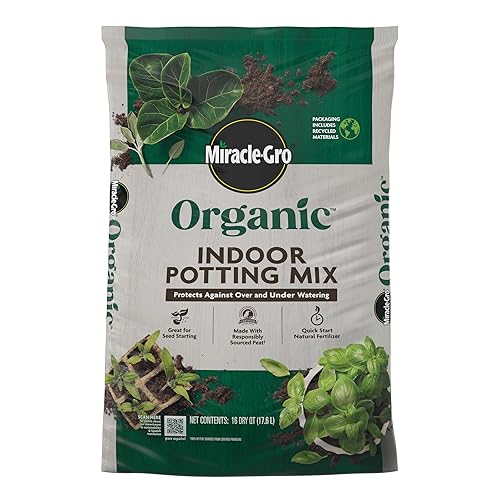 Best for indoor-to-outdoor growersProtects Against Over & Under Watering, Planting Soil For Indoor ContaView on Amazon
- 5
 Best budget pickFor Container Plants, Flowers, Vegetables, Shrubs, Annuals, PerennialsView on Amazon
- 6
 Best for raised beds specificallyFoxFarm Raised Bed Planting Mix, 1.5cu ft – All-Purpose Garden Soil wiView on Amazon
Our Top Picks
These six mixes were selected by comparing manufacturer specifications, brand reputation, and the feedback patterns owners tend to report for each product. We did not grow in these products ourselves, so treat the notes below as a research summary rather than hands-on results. Before buying, see the guidance in Raised Garden Bed Soil Mixture: A Step-by-Step Recipe for Healthy Vegetables if you prefer to blend your own.
Quick Comparison
| Product | Best for | Key feature |
|---|---|---|
| Plant Soil For Outdoor Container Plants (Miracle-Gro Organic Outdoor Potting Mix, 16 qt.) | Overall outdoor vegetable use | Quick-release natural fertilizer, OMRI listed |
| Back to The Roots Organic Coir, 51 Quart Expanding Soil | Seed starting and blending into beds | Expands with water, organic coir base |
| Michigan Peat Garden Magic General Purpose Potting Soil Mix, 40 lb | Filling large boxes in one go | Peat-based moisture retention |
| Miracle-Gro Organic Indoor Potting Mix, 16 qt. | Indoor and patio herb or vegetable pots | Balanced moisture protection, OMRI listed |
| Miracle-Gro Potting Mix, 16 qt. (2-Pack) | Budget-conscious filling and topping off | Feeds up to six months |
| FoxFarm Raised Bed Planting Mix, 1.5 cu ft | Raised vegetable beds and herbs | Earthworm castings and oyster shell added |
Plant Soil For Outdoor Container Plants, Contains Quick-Release Natural Fertilizer, OMRI Listed Miracle-Gro Organic Outdoor Potting Mix, 16 qt.
Plant Soil For Outdoor Container Plants, Contains Quick-Release Natural Fertilizer, OMRI Listed Miracle-Gro Organic Outdoor Potting Mix, 16 qt.
Best for: Overall outdoor vegetable and herb use in boxes that are being filled or topped off.
This is a good fit for gardeners who want an organic, ready-to-use mix that works in both containers and garden boxes. Its OMRI listing indicates it is approved for use in organic production.
Key specs
- Container size: 16 quarts
- Organic, OMRI listed
- Contains quick-release natural fertilizer
Pros
- Organic certification gives a clear ingredient standard
- Pre-fertilized, so no separate feeding is needed at planting
- Suitable for a wide range of outdoor plants
Cons
- A 16-quart bag fills only a small box, so larger beds need several bags
- Fertilizer release can be fast, so plan a follow-up feeding schedule for heavy feeders like tomatoes
Bottom line: Ideal for gardeners who want a dependable, organic starting point for most outdoor vegetables and herbs.
Back to The Roots Organic Coir, 51 Quart Expanding Soil, Great for Seeds and Potting
Back to The Roots Organic Coir, 51 Quart Expanding Soil, Great for Seeds and Potting
Best for: Seed starting and mixing into raised beds to improve moisture retention and structure.
Coir-based expanding soil suits gardeners who want to start seedlings in the same medium they will later blend into a box. Because it is sold compressed and expands with water, it also stores easily.
Key specs
- 51-quart expanding block
- Organic coir base
Pros
- Expands to a large volume from a compact package
- Holds moisture well between waterings
- Works well for seed starting
Cons
- Coir alone lacks nutrients, so it needs fertilizer or compost mixed in
- Can dry out quickly if left exposed on a hot day
Bottom line: A strong choice if you start seeds yourself and want a light, moisture-holding base to mix with compost for your boxes.
Moisture Retaining Mix for Indoor and Outdoor Planting, Potting, and Garden Use Michigan Peat Garden Magic General Purpose Potting Soil Mix, 40 lb
Moisture Retaining Mix for Indoor and Outdoor Planting, Potting, and Garden Use Michigan Peat Garden Magic General Purpose Potting Soil Mix, 40 lb
Best for: Filling large garden boxes in a single purchase.
This peat-based general mix suits gardeners who need a substantial volume of soil and want good moisture retention. It is a practical option when you are building a new box and need to fill it fully.
Key specs
- 40 lb bag
- Peat-based general purpose mix
Pros
- Large bag reduces the number of purchases for a full box
- Retains moisture well
- Usable for both indoor and outdoor planting
Cons
- Peat is a non-renewable resource, which some gardeners prefer to avoid
- Often needs added compost or fertilizer for heavy vegetables
Bottom line: Best for gardeners who value volume and moisture retention and are comfortable amending the mix for vegetables.
Protects Against Over & Under Watering, Planting Soil For Indoor Container Plants, Houseplants & Starter Plants, OMRI Listed Miracle-Gro Organic Indoor Potting Mix, 16 qt.
Protects Against Over & Under Watering, Planting Soil For Indoor Container Plants, Houseplants & Starter Plants, OMRI Listed Miracle-Gro Organic Indoor Potting Mix, 16 qt.
Best for: Herbs and small vegetables grown in pots on patios or indoors that are moved outside.
This mix is designed for indoor and houseplant use, but it can work for smaller outdoor containers. Gardeners growing mainly in pots, rather than full-size boxes, will find it the most relevant.
Key specs
- Container size: 16 quarts
- Organic, OMRI listed
Pros
- Organic listing with a clear ingredient standard
- Formulated to help buffer over- and under-watering
- Good for herbs and houseplant-style containers
Cons
- Packaging size is too small for most full-size garden boxes
- Designed primarily for indoor use, so outdoor vegetable performance may vary
Bottom line: A good pick for container herbs and patio growers, but not the most efficient choice for large raised beds.
For Container Plants, Flowers, Vegetables, Shrubs, Annuals, Perennials, Potting Soil Mix, Feeds up to 6 Months Miracle-Gro Potting Mix, 16 qt. (2-Pack)
For Container Plants, Flowers, Vegetables, Shrubs, Annuals, Perennials, Potting Soil Mix, Feeds up to 6 Months Miracle-Gro Potting Mix, 16 qt. (2-Pack)
Best for: Budget-conscious gardeners topping off or filling smaller boxes.
This widely available potting mix covers a broad range of plants, making it a practical choice if you want one mix for vegetables, flowers, and shrubs across the yard.
Key specs
- Two 16-quart bags
- Advertised to feed for up to six months
Pros
- Versatile across vegetables, flowers, and shrubs
- Pre-fertilized for a season of feeding
- Two-pack offers good value for smaller projects
Cons
- Not organic-certified, which may matter to some gardeners
- Quantity covers only a modest box, so plan for bulk needs
Bottom line: A sensible general-purpose choice for smaller boxes and mixed plantings where cost control matters.
FoxFarm Raised Bed Planting Mix, 1.5cu ft – All-Purpose Garden Soil with Earthworm Castings & Oyster Shell – Ready-to-Use Blend for Vegetables, Flowers, Fruits & Herbs
FoxFarm Raised Bed Planting Mix, 1.5cu ft – All-Purpose Garden Soil with Earthworm Castings & Oyster Shell – Ready-to-Use Blend for Vegetables, Flowers, Fruits & Herbs
Best for: Filling raised vegetable beds with a mix designed specifically for that purpose.
This blend is marketed for raised beds and includes earthworm castings and oyster shell, making it a good fit for gardeners who want a biologically active, ready-to-plant mix.
Key specs
- Volume: 1.5 cubic feet
- Contains earthworm castings and oyster shell
Pros
- Designed for raised beds, matching the use case directly
- Earthworm castings add slow-release nutrients and microbial life
- Oyster shell supplies calcium for vegetables like tomatoes
Cons
- Volume covers only one moderate box, so calculate your needs first
- Price per cubic foot is higher than bulk options, so compare if filling several beds
Bottom line: The most purpose-built choice here for raised vegetable beds, especially for gardeners who want a ready-to-plant blend.
Buying Guide
Drainage and Aeration
Garden box soil should drain freely while still holding some moisture. Look for mixes with perlite, pumice, or coarse bark in the ingredient list, which open up air pockets. Soil that compacts into a dense block will waterlog roots and suffocate vegetables. If you are building a deep box, a lighter, well-aerated mix is especially important because water can pool at the bottom.
Good picks for this: FoxFarm Raised Bed Planting Mix, Miracle-Gro Organic Outdoor Potting Mix
Moisture Retention
Boxes dry out faster than in-ground beds, especially in full sun and wind. Peat-based and coir-based mixes hold water well, which reduces how often you need to irrigate. Balance this against drainage, since a mix that holds too much water can cause rot. Many gardeners aim for a mix that feels like a wrung-out sponge.
Good picks for this: Back to The Roots Organic Coir, Michigan Peat Garden Magic
Nutrient Content and Fertility
Some mixes come pre-fertilized, while others provide only a structural base. Pre-fertilized mixes give plants a head start, but quick-release fertilizer can run out or cause salt buildup, so plan a feeding schedule for heavy feeders such as tomatoes, squash, and corn. Compost and earthworm castings supply nutrients more gradually. If you are unsure, a soil test can guide your decisions; see Top 5 Soil Testing Kits for Vegetable Garden Beds Compared (2026).
Good picks for this: FoxFarm Raised Bed Planting Mix, Miracle-Gro Potting Mix 2-Pack
Size and Volume Needed
Measure your box before buying. Multiply length by width by depth in feet to get cubic feet, then divide by 27 to estimate cubic yards. A box that is 4 feet by 8 feet and 12 inches deep holds about 32 cubic feet. Small bags are convenient for topping off but add up quickly, so bulk options often make more sense for full builds. For help with the math, see Raised Garden Bed Soil Calculator: How Much Soil You Really Need.
Good picks for this: Michigan Peat Garden Magic, Miracle-Gro Potting Mix 2-Pack
Organic Certification
If you grow food organically, look for an OMRI listing or equivalent certification on the label. OMRI indicates the product has been reviewed against organic production standards. Organic status matters most for edible crops you plan to eat fresh. Read the ingredient list, since some products labeled organic still contain synthetic additives.
Good picks for this: Miracle-Gro Organic Outdoor Potting Mix, Miracle-Gro Organic Indoor Potting Mix
Use Case: Raised Beds Versus Containers
A mix made for raised beds usually contains more bulk and structure than a container mix, which is designed to be lighter and more forgiving. Use a bed-specific blend for large boxes that will hold plants for a full season. Container mixes suit smaller pots, herbs, and patio plantings. Matching the mix to the setting reduces compaction and water problems.
Good picks for this: FoxFarm Raised Bed Planting Mix, Miracle-Gro Organic Indoor Potting Mix
Ingredient Transparency and Consistency
Mixes vary between batches and brands. Check whether the label lists its ingredients, such as peat, coir, bark, compost, or castings. Clear labeling helps you judge drainage, nutrition, and sustainability, and it lets you compare products fairly. Vague descriptions make it harder to predict how a mix will perform.
Good picks for this: Back to The Roots Organic Coir, Miracle-Gro Potting Mix 2-Pack
FAQ
What is the best soil for a raised garden box?
A good raised-bed soil is loose, well-drained, and rich in organic matter. Many gardeners use a blend of topsoil, compost, and an aerating material such as perlite or coarse bark. A ready-made raised bed mix can save the work of blending, and it is a practical choice for beginners.
Can I fill a garden box with regular topsoil?
Regular topsoil often compacts in a box, which reduces drainage and root growth. It is usually better to blend topsoil with compost and an aerating ingredient. Pure topsoil works poorly on its own, so avoid filling a box with it alone.
How deep should soil be in a garden box?
Most vegetables need at least 12 inches of soil, and deep-rooted crops such as carrots and tomatoes benefit from 18 inches or more. Shallower boxes can work for lettuce, herbs, and radishes. Check the depth needs of each crop before you plant.
How often should I replace garden box soil?
Many gardeners refresh the top few inches each season with compost and replace the full mix every few years. Soil in boxes can lose structure and nutrients over time. A soil test can help you decide when a full replacement is needed.
Do I need fertilizer if the soil is pre-fertilized?
Pre-fertilized mixes provide an initial supply of nutrients, but heavy-feeding crops often need additional feeding during the season. Follow the package directions and watch plants for signs of nutrient deficiency. A soil test is the most reliable way to decide.
Is peat-based soil a good choice for vegetables?
Peat-based mixes hold moisture well and are widely used. However, peat is a non-renewable resource, so some gardeners prefer coir or compost-based alternatives. Either can work if you amend the mix for vegetable needs.
Conclusion
For most raised vegetable beds, a purpose-built blend such as the FoxFarm Raised Bed Planting Mix offers the most direct fit, while the Miracle-Gro Organic Outdoor Potting Mix suits gardeners who want a certified organic starting point. Bulk peat-based mixes like Michigan Peat Garden Magic make sense for filling large boxes, and coir-based expanding soil works well for seed starting and blending. For smaller budgets or topping off existing beds, the Miracle-Gro Potting Mix 2-Pack is a practical option. Measure your box, match the mix to your crops, and check drainage before you fill.
Sources
- Research-based guidance on raised bed construction, soil mixes, and vegetable production (extension.org)
- Information on soil health, organic production standards, and agricultural practices (usda.gov)
- Guidance on soil testing and assessing contaminants in garden soil (epa.gov)
Related reading
- Where to Buy Bulk Garden Soil: 6 Best Picks for Raised Beds (2026)
- Top 7 Vege Garden Soil Mix Picks for Raised Beds and Containers
- Top 7 Soils for Raised Vegetable Garden Beds: Compared for 2026
- Top 7 Organic Veggie Garden Soil Picks for Healthy Harvests in 2026
About Ethan Brooks
Ethan Brooks is part of our editorial team and reviews and edits our vegetable & edible gardening guides, checking product details against manufacturer specifications and owner feedback.