 By Graham Fisher
Updated November 2026
If you are asking what’s the best soil for growing tomatoes, the short answer is a loose, well-draining mix that holds moisture without staying soggy, with enough organic matter to feed heavy-feeding plants through the season. The seven options below were selected by reviewing product listings, manufacturer specifications, brand reputation, and patterns in owner feedback. Criteria included drainage, organic content, added fertilizer, suitability for containers versus in-ground planting, and whether the mix is labeled for vegetables.
Our top picks at a glance
- 1
 TOP CHOICEBest overallCoast of Maine Tomato & Vegetables Planting Soil, 20qtView on Amazon
- 2
 TOP CHOICEBest for containersBurpee Premium Organic Potting Mix Garden SoilView on Amazon
- 3
 TOP CHOICEBest for outdoor containersMiracle-Gro Organic Outdoor Potting Mix, 16 qt.View on Amazon
- 4
 Best for planting holesSoil Sunrise All Natural Tomato Starter/Potting Mix, 12 QuartsView on Amazon
- 5
 Best for seedlingsMiracle-Gro Houseplant Potting Mix, 4 qt.View on Amazon
- 6
 Best for small indoor trialsOrganic Vegetable Soil Mix 1qtView on Amazon
- 7
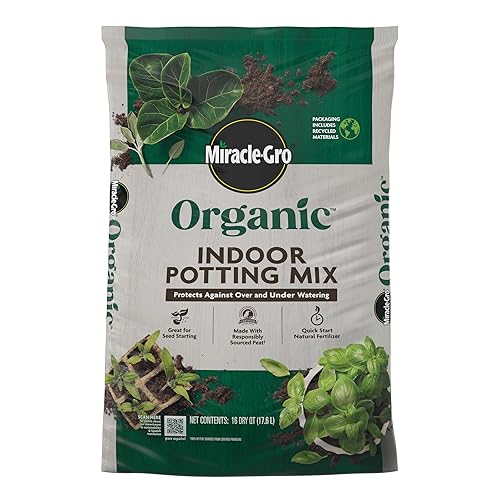 Best for moisture controlMiracle-GroProtects Against Over & Under Watering, Planting Soil For IView on Amazon
Our Top Picks
| Product | Best for | Key feature |
|---|---|---|
| Coast of Maine Tomato & Vegetables Planting Soil | Overall tomato growing | Ocean and land-sourced organic blend |
| Burpee Premium Organic Potting Mix Garden Soil | Containers and raised beds | Coconut coir base, OMRI listed |
| Miracle-Gro Organic Outdoor Potting Mix | Outdoor containers | Quick-release natural fertilizer |
| Soil Sunrise All Natural Tomato Starter/Potting Mix | Backfilling planting holes | Contains worm castings |
| Miracle-Gro Houseplant Potting Mix | Seedlings and indoor starts | Perlite-based, fertilized |
| Organic Vegetable Soil Mix 1qt | Small trial pots | Compact organic vegetable blend |
| Miracle-Gro Organic Indoor Potting Mix | Moisture-sensitive plants | Designed to resist over- and under-watering |
Coast of Maine Tomato & Vegetables Planting Soil, 20qt
Promotes Abundant Vegetable Harvests, Premium Organic Blend, Ocean & Land-Sourced Ingredients Coast of Maine Tomato & Vegetables Planting Soil, 20qt
Best for: Overall tomato growing with a rich organic base.
This blend suits gardeners who want one bag that covers planting holes, containers, and raised beds without mixing in amendments.
Pros
- Organic ingredients sourced from ocean and land materials
- Labeled specifically for tomatoes and vegetables
Cons
- Heavier than lightweight potting mixes
Burpee Premium Organic Potting Mix Garden Soil
Burpee Premium Organic Potting Mix Garden Soil with Coconut Coir for Indoor Plants & Outdoor Containers, OMRI Listed, Ideal for Vegetables, Flowers, Herbs (9 Quarts, 0.12-0.12-0.12)
Best for: Containers and raised beds.
Gardeners growing tomatoes in pots on a patio or balcony will appreciate the light, airy structure that drains well.
Pros
- Coconut coir improves moisture retention without waterlogging
- OMRI listed for organic growing
Cons
- Nutrient content may need supplementing in long seasons
Miracle-Gro Organic Outdoor Potting Mix, 16 qt.
Miracle-GroPlant Soil For Outdoor Container Plants, Contains Quick-Release Natural Fertilizer, OMRI Listed Organic Outdoor Potting Mix, 16 qt.
Best for: Outdoor containers.
A good fit for gardeners who want a feeding boost built into the mix for tomatoes in larger outdoor pots.
Pros
- Quick-release natural fertilizer included
- OMRI listed organic formulation
Cons
- Fertilizer may run out before late-season fruiting, so a side-dress may help
Soil Sunrise All Natural Tomato Starter/Potting Mix, 12 Quarts
Soil Sunrise All Natural Tomato Starter/Potting Mix (12 Quarts) Perfect Backfill for Outdoor Tomato Plant Holes, Hand Blended with Natural Ingredients Including Worm Castings
Best for: Backfilling outdoor tomato planting holes.
Growers putting transplants directly into the ground can mix this into the native soil at planting time.
Pros
- Contains worm castings for slow-release nutrition
- All-natural ingredient list
Cons
- Best used as an amendment rather than a standalone medium
Miracle-Gro Houseplant Potting Mix, 4 qt.
Miracle-GroFertilized, Perlite Soil for Indoor Gardening, Designed to Be Less Prone to Gnats Houseplant Potting Mix, 4 qt.
Best for: Seedlings and indoor starts.
Ideal for starting tomato seeds indoors or potting up small transplants before moving them outside.
Pros
- Perlite content helps reduce fungus gnat problems
- Comes pre-fertilized
Cons
- Small bag size limits use for larger plants
Organic Vegetable Soil Mix 1qt
Organic Vegetable Soil Mix 1qt, Indoor Plants Potting Mix for All Potted Vegetable Like Tomatoes Lettuce Bell Peppers, Grow Healthy houseplants Indoors
Best for: Small trial pots.
A practical option for testing a single tomato plant or a few herbs alongside it before buying in volume.
Pros
- Organic vegetable-specific formula
- Easy to handle for small containers
Cons
- Volume is too small for a full-size tomato plant over a season
Buying Guide
Drainage and Texture
Tomatoes need soil that drains freely while still holding enough moisture between waterings. Look for mixes that feel light and airy, often with perlite or coir added, since heavy or compacted soil can lead to root rot and stunted plants.
Avoid products that clump into a dense mass when wet. A loose texture helps roots spread and keeps oxygen available around them.
Organic Content
Tomatoes are heavy feeders, so a soil rich in organic matter gives them a steady supply of nutrients and improves water retention. Compost, worm castings, and peat or coir are common sources to check for on the label.
Organic content also supports beneficial soil life, which can make nutrients more available over the growing season.
Built-In Fertilizer or Amendments
Some mixes include slow-release or quick-release fertilizer, which can reduce the need to feed right away. This is helpful for beginners, though you may still want to supplement with a tomato-specific fertilizer once plants start flowering and fruiting.
If you prefer full control over nutrition, a plain potting mix with no added fertilizer may suit you better.
Container Versus In-Ground Use
Container tomatoes need a mix that stays evenly moist and drains well in a confined space, while in-ground planting benefits more from soil that can be blended with native earth. Check whether the product is labeled for containers, raised beds, or as a backfill for planting holes. 7 Best Growing Bags for Tomatoes in 2026 goes further into this.
Matching the mix to your growing setup helps prevent both drying out and waterlogging.
Labeling for Vegetables and Organic Certification
Mixes labeled for vegetables or tomatoes are formulated with the nutrient balance and texture these plants prefer. If you grow organically, look for OMRI listing, which indicates the product meets organic input standards.
Also consider the package size. Larger bags suit multiple plants or raised beds, while smaller bags work well for a few containers or a trial run.
FAQ
Can I use regular garden soil for tomatoes?
Regular garden soil is often too dense for tomatoes, especially in containers, because it can compact and hold too much water. It is usually better to mix garden soil with compost and a looser amendment, or to choose a dedicated potting or vegetable mix.
Do tomatoes need a special soil pH?
Tomatoes generally grow well in slightly acidic to neutral soil, and many commercial mixes are formulated within that range. A simple soil test can confirm whether your garden soil needs adjustment before planting.
How often should I replace potting soil for tomato containers?
Many gardeners refresh or replace the top portion of container soil each season, since nutrients get used up and the structure can break down over time. Reusing soil is possible if you amend it with compost and fertilizer before the next planting.
Should I add fertilizer to a mix that already contains it?
Mixes with built-in fertilizer usually supply enough nutrients for the first several weeks. Once plants begin to flower and set fruit, adding a tomato-focused fertilizer can support a stronger harvest.
Is organic soil better than conventional potting mix for tomatoes?
Organic mixes appeal to gardeners who want to avoid synthetic inputs and often include beneficial organic matter. Conventional mixes can also grow excellent tomatoes, so the best choice depends on your growing preferences and the features you need.
Conclusion
If you want a ready-to-use option with fertilizer already included, a fertilized outdoor container mix or a tomato-specific blend is a practical pick for most backyard growers. Gardeners who prefer organic inputs or want to backfill planting holes will do well with an OMRI-listed or worm-casting-enriched mix.
Beginners growing a few plants indoors or in small pots may find a smaller bag of vegetable or houseplant mix the easiest starting point, while larger gardens will benefit from buying in bulk.
Related reading
- What Is the Best Growing Medium for Tomatoes? A Practical Guide (2026)
- Top 6 Best Soils for Growing Tomatoes in Containers Compared (2026)
- Top 6 Best Soils for Growing Tomatoes in Containers Compared (2026)
- Top 5 Best Soils for Growing Tomatoes: Compared for 2026
- 7 Best Soils for Growing Tomatoes in Pots: Top Picks for 2026
- 7 Best Soils for Growing Tomatoes in Pots: Top Picks for 2026
About Graham Fisher
Graham Fisher is part of our editorial team and reviews and edits our vegetable & edible gardening guides, checking product details against manufacturer specifications and owner feedback.