 By Ethan Brooks
Updated November 2026
Choosing a soil conditioner for vegetable garden beds can be confusing, because the label names range from humic acid and gypsum to microbial “soil enhancers” and fermented liquids. A soil conditioner does not feed plants the way a fertilizer does. Instead, it changes how soil holds water, air, and nutrients, and how well roots can move through it. The picks below were selected by comparing manufacturer specifications, brand track record, and the feedback patterns owners commonly describe, with an eye toward products that are suitable for edible plants and clearly labeled for vegetable use.
Our top picks at a glance
- 1
 TOP CHOICEBest overallFarm Made Organics Humic+ Liquid Humic Acid Soil Conditioner, 32 ozView on Amazon
- 2
 TOP CHOICEBest for compacted clayEarth Science Fast Acting Gypsum Granules, 5 lbView on Amazon
- 3
 TOP CHOICEBest for organic gardenersVerdante Complete Plant Care Liquid Soil Conditioner, 1 GallonView on Amazon
- 4
 Best budget pickRaw Organic Soil Conditioner Root HumeView on Amazon
- 5
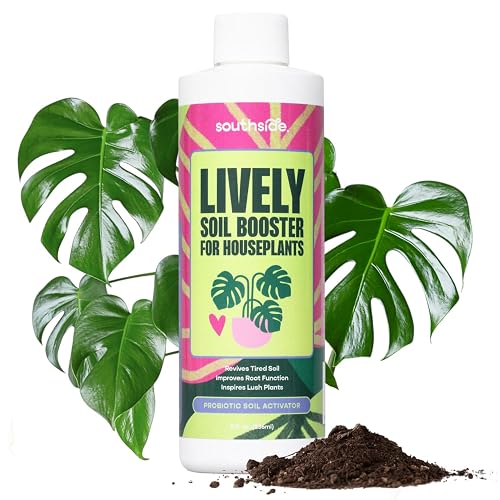 Best for container and potted vegetablesLively Soil Conditioner for HouseplantsView on Amazon
- 6
 Best for microbial activityOrganic Prebiotic Soil Enhancer, 32 ozView on Amazon
Our Top Picks
Quick Comparison
| Product | Best for | Key feature |
|---|---|---|
| Farm Made Organics Humic+ Liquid Humic Acid Soil Conditioner, 32 oz | General vegetable beds | Humic acid with fulvic acid, sea kelp, and soluble potash |
| Earth Science Fast Acting Gypsum Granules, 5 lb | Compacted or clay-heavy soil | Calcium sulfate granules with runoff reduction technology |
| Verdante Complete Plant Care Liquid Soil Conditioner, 1 gallon | Organic beds and raised beds | OMRI-listed fermented liquid formula |
| Raw Organic Soil Conditioner Root Hume | Budget-minded home gardeners | Concentrated liquid humic product |
| Lively Soil Conditioner for Houseplants | Containers and potted tomatoes or peppers | Beneficial Bacillus bacteria to revive tired potting mix |
| Organic Prebiotic Soil Enhancer, 32 oz | Microbe-rich vegetable beds | Prebiotic food for beneficial soil microbes |
Farm Made Organics Humic+ Liquid Humic Acid Soil Conditioner, 32 oz
Fulvic Acid, Sea Kelp & Soluble Potash Blend, 5% Leonardite Humic Acid, For Lawns, Gardens & Indoor Plants, Made in USA Farm Made Organics Humic+ Liquid Humic Acid Soil Conditioner, 32 oz
Best for: General-purpose vegetable beds that need better structure and nutrient retention
This liquid is aimed at gardeners who want one conditioner that works across tomatoes, peppers, squash, and leafy greens. Humic substances are widely studied for improving the way soil binds nutrients and water, which makes this type of product a reasonable addition to established beds.
Key specs
- Listed as a 5% Leonardite humic acid liquid
- Includes fulvic acid, sea kelp, and soluble potash, per the listing name
- Sold in a 32 oz bottle
- Made in USA according to the listing
Pros
- Liquid form is easy to apply through a watering can or hose-end sprayer
- Combines humic material with kelp and potash, covering more than one function
- Works on lawns and indoor plants as well as vegetable beds
Cons
- A single 32 oz bottle covers a limited area of large in-ground plots
- Benefits on heavily degraded soil usually take several seasons, not weeks
Bottom line: A strong first choice for gardeners who want a versatile liquid conditioner for mixed vegetable beds.
Earth Science Fast Acting Gypsum Granules, 5 lb
Earth Science Fast Acting Gypsum Granules—5 lb— Soil Conditioner Adds Calcium, Repairs Salt Damage & Root Growth with Nutri-Bond Runoff Reduction Technology
Best for: Clay soils that crust over, drain poorly, or are prone to compaction
Gypsum supplies calcium without raising soil pH, which is why it is often recommended for sodic or heavy clay soils. Gardeners dealing with puddling after rain or hard surface crusts are the typical audience for this granular form.
Key specs
- Gypsum (calcium sulfate) granules
- 5 lb package
- Marketed with Nutri-Bond runoff reduction technology, per the listing name
Pros
- Granular form is simple to spread by hand over beds
- Does not significantly change pH, unlike lime
- Useful for both vegetable beds and lawn areas
Cons
- Gypsum helps structure in some soils but does nothing for soils already low in calcium that are not compacted
- Results depend on a soil test showing that calcium or sodium is the actual problem
Bottom line: Best for gardeners whose soil test points to clay structure problems rather than low fertility.
Verdante Complete Plant Care Liquid Soil Conditioner, 1 Gallon
Verdante Complete Plant Care Liquid Soil Conditioner, Soil Revitalizer & Soil Activator, OMRI Listed Natural Fermented Formula for Lawns, Gardens, Raised Beds & Indoor Plants, 1 Gallon
Best for: Organic vegetable beds and raised beds where synthetic inputs are avoided
Gardeners who follow organic practices often want a liquid that supports soil life without synthetic chemistry. The OMRI listing indicates the product has been reviewed for use in certified organic production, which many buyers check first.
Key specs
- OMRI Listed per the product name
- Fermented natural formula
- 1 gallon volume
- Labeled for lawns, gardens, raised beds, and indoor plants
Pros
- OMRI listing simplifies organic compliance checks
- Gallon size is practical for multiple beds over a season
- Works through standard liquid application methods
Cons
- Effects are gradual and difficult to measure directly in the garden
- Price-per-application is higher than granular amendments for very large plots
Bottom line: The most convenient organic-focused option here for raised beds and mixed vegetable plantings.
Raw Organic Soil Conditioner Root Hume
Raw Organic Soil Conditioner- Root Hume- Simple Grow Solutions- Natural Plant & Lawn Treatment- Nutrient Food Enhancer- Concentrated Liquid Humic – Grass, Tomatoes, Citrus, Flowers, Vegetables
Best for: Budget-minded gardeners who want a concentrated humic liquid for vegetables and fruiting plants
This concentrate is listed for a broad range of plants, including tomatoes, citrus, and vegetables. Because it is concentrated, a small bottle can go a long way when diluted according to the label.
Key specs
- Concentrated liquid humic formula
- Listed for grass, tomatoes, citrus, flowers, and vegetables
- Dilution instructions are printed on the label and should be followed closely
Pros
- Concentrate stretches further than ready-to-use liquids
- Broad plant list suits mixed gardens
- Simple to add to watering routines
Cons
- Over-dilution or overuse can reduce its effect, so measuring matters
- Owners often report that results are subtle and best judged over a full season
Bottom line: A sensible low-commitment choice for gardeners who want to try a humic conditioner before committing to larger bottles.
Lively Soil Conditioner for Houseplants
Lively Soil Conditioner for Houseplants – Repot Less, Revive Tired Potting Soil, Improve Drainage & Nutrient Uptake – Beneficial Bacillus Indoor Plant Booster
Best for: Container vegetables and potted herbs grown in tired or compacted potting mix
This product is marketed for indoor plants, but its focus on reviving potting soil and improving drainage makes it relevant to vegetables grown in pots and grow bags, where the medium loses structure over time.
Key specs
- Contains Bacillus bacteria, as stated in the listing
- Designed for potting soil revival and drainage
- Intended for houseplants; check label guidance before applying to edible crops
Pros
- Addresses the specific problem of degraded container mix
- Easy to incorporate during repotting or top-dressing
- Can reduce how often container mix must be fully replaced
Cons
- Labeled primarily for houseplants, so vegetable use requires checking the label
- Not a substitute for a fresh high-quality container mix at planting time
Bottom line: A targeted pick for container growers who are reusing potting mix and want to improve it.
Organic Prebiotic Soil Enhancer, 32 oz
Organic Prebiotic Soil Enhancer – Organic Soil Conditioner | Supports Root Development | Feeds Beneficial Microbes in Vegetable Gardens, Raised Beds, Containers & Houseplants (32oz Makes 32 Gallons)
Best for: Vegetable beds and containers where the goal is supporting beneficial soil microbes
Gardeners interested in soil biology, rather than just chemistry, often look for prebiotic products that feed existing microbial communities. The listing names vegetable gardens, raised beds, and containers as intended uses.
Key specs
- Organic prebiotic formula, per the listing
- 32 oz size, stated as making up to 32 gallons when diluted
- Labeled for root development and microbial support
Pros
- Concentrate yields a large number of gallons
- Suits gardeners focused on long-term soil biology
- Applies easily in watering routines
Cons
- Microbial benefits are hard to verify in a home garden without soil testing
- Works best alongside regular additions of compost, which remains the foundation of soil biology
Bottom line: Good for gardeners who already add compost and want to layer in a microbial feed.
Buying Guide
Identify the actual soil problem first
A soil conditioner works on structure, drainage, or nutrient holding. It is not a cure for a nutrient deficiency that a fertilizer would fix. Before buying, check whether your soil compacts, drains too slowly, holds too little water, or is simply depleted. A basic soil test through your state cooperative extension office will show pH, organic matter, and nutrient levels, and will tell you whether calcium is a limiting factor.
Good picks for this: Earth Science Fast Acting Gypsum Granules, Farm Made Organics Humic+ Liquid Humic Acid Soil Conditioner
Liquid versus granular form
Liquids act faster on the root zone and are easy to apply through watering. Granules release more slowly and are better for bulk application to large beds. Liquids often need repeated applications across a season, while granules may need only one or two incorporations. Choose the form that matches how you already water and how large your beds are.
Good picks for this: Verdante Complete Plant Care Liquid Soil Conditioner, Raw Organic Soil Conditioner Root Hume
Ingredient transparency and labeling
Look for named ingredients, such as leonardite, kelp, or calcium sulfate, rather than vague blends. For organic gardens, check for OMRI listing or the equivalent certification. Labels that specify the concentration of active material make it easier to compare products and dose them correctly.
Good picks for this: Verdante Complete Plant Care Liquid Soil Conditioner, Farm Made Organics Humic+ Liquid Humic Acid Soil Conditioner
Container versus in-ground use
Container mixes lose structure faster than garden soil because roots fill the pot and water flushes nutrients out. A conditioner aimed at revived potting mix can help between seasons, but a fresh, well-formulated container mix remains the foundation. In-ground beds usually benefit more from compost and gypsum or humic products that target structure over time.
Good picks for this: Lively Soil Conditioner for Houseplants, Organic Prebiotic Soil Enhancer
Size, coverage, and dilution
Check how much area a product covers at label rates. Concentrates such as the 32 oz prebiotic enhancer and the humic concentrate can cover far more ground than their size suggests, but only if diluted exactly as directed. Calculate your bed area in square feet before buying, and compare that to the label application rate.
Good picks for this: Organic Prebiotic Soil Enhancer, Raw Organic Soil Conditioner Root Hume
Ingredients that affect pH
Lime raises pH, while sulfur lowers it. Gypsum does not meaningfully change pH, which is one reason it is used for clay structure. If your soil is already near neutral, avoid products that shift pH without a reason. Retest soil pH every two to three years.
Good picks for this: Earth Science Fast Acting Gypsum Granules
Timing and application frequency
Most soil amendments work best when incorporated before planting, then maintained with periodic applications. Liquid conditioners are commonly applied every few weeks during the growing season, while granular products are often worked into the top several inches of soil in early spring or fall. Follow the label rather than assuming more frequent use is better.
Good picks for this: Verdante Complete Plant Care Liquid Soil Conditioner, Farm Made Organics Humic+ Liquid Humic Acid Soil Conditioner
FAQ
What is the difference between a soil conditioner and fertilizer?
A fertilizer supplies nutrients plants take up directly, such as nitrogen, phosphorus, and potassium. A soil conditioner improves the physical or biological environment, such as structure, water retention, or microbial activity, which in turn helps roots access nutrients already in the soil.
Can I use a soil conditioner on raised vegetable beds?
Yes. Raised beds usually start with a prepared mix, but structure can decline over several seasons. Many gardeners add a conditioner once or twice a year. Check that the product label permits use on edible crops before applying.
How often should I apply a soil conditioner to my vegetable garden?
It depends on the product form and the label. Liquids are often applied every few weeks during the growing season, while granular products are typically worked in once or twice a year. Avoid exceeding the label rate.
Is gypsum a good soil conditioner for vegetables?
Gypsum can help clay soils that compact or drain poorly, because it supplies calcium without raising pH. It is not necessary for soils that already have adequate calcium and good structure. A soil test is the best way to decide.
Are humic acid products safe for edible plants?
Humic substances are widely used in agriculture and gardening. Check the label to confirm the product is labeled for vegetables and follow dilution directions. For questions about specific food-safety concerns, consult your local extension office.
Do soil conditioners replace compost?
No. Compost adds organic matter, nutrients, and a diverse community of soil organisms. Conditioners can complement compost but rarely replace it. Gardeners who use compost regularly usually see more lasting improvement in soil structure.
Should I get my soil tested before buying a conditioner?
A soil test is strongly recommended. Your state cooperative extension service can tell you pH, organic matter, and nutrient levels, which helps you choose the right type of conditioner rather than guessing.
Conclusion
For most vegetable gardeners, the best starting point is the Farm Made Organics Humic+ Liquid Humic Acid Soil Conditioner, which is versatile across mixed beds. If your soil is heavy clay that drains poorly, the Earth Science Fast Acting Gypsum Granules address structure more directly. Organic gardeners will find the Verdante Complete Plant Care Liquid Soil Conditioner a convenient, certified-oriented option. The Raw Organic Soil Conditioner Root Hume suits budget-minded gardeners, while the Lively Soil Conditioner is aimed at container mixes that need revival. The Organic Prebiotic Soil Enhancer fits gardeners who already build soil with compost and want to support microbial life. Start with a soil test, match the product to the problem you actually have, and apply it according to the label.
Sources
- Research-based guidance on soil testing, organic matter, and soil amendments from land-grant university extension programs (extension.org)
- Soil health information and conservation practices relevant to vegetable production (usda.gov)
- Ohio State University extension resources on soil fertility and vegetable garden management (osu.edu)
Related reading
- Top 7 Soils for Raised Vegetable Garden Beds: Compared for 2026
- Top 7 Organic Raised Bed Garden Soil Picks for Healthy Vegetables
- Top 5 Raised Garden Soil Mix Picks for Vegetable Beds in 2026
- Sta-Green Flower & Vegetable Garden Soil: 7 Best Picks for 2026
- Sta Green Garden Soil: 7 Best Picks for Vegetable Beds (2026)
About Ethan Brooks
Ethan Brooks is part of our editorial team and reviews and edits our vegetable & edible gardening guides, checking product details against manufacturer specifications and owner feedback.


