 By Graham Fisher
Updated November 2026
Finding the best soil for pollinator garden beds comes down to a few things: drainage that keeps native flowers from rotting, a mix light enough to let roots spread, and organic inputs that won’t harm the bees and butterflies you’re trying to attract. Most pollinator plants, including milkweed, bee balm, coneflower and native asters, prefer soil that is not overly rich. Heavy fertilized mixes can push out blooms in favor of leafy growth. The six products below were selected on published specifications, brand reputation and common owner feedback patterns, with a focus on organic (OMRI Listed) ingredients, container and bed suitability, and balanced nutrient levels. None of them were tested by us; check the label and your own site conditions before buying.
Our top picks at a glance
- 1
 TOP CHOICEBest overallPlant Soil For Outdoor Container Plants, Contains Quick-Release NaturaView on Amazon
- 2
 TOP CHOICEBest for beginnersBurpee Premium Organic Potting Mix Garden Soil with Coconut Coir for IView on Amazon
- 3
 TOP CHOICEBest for dense root systemsFoxFarm Happy Frog Potting Soil with 2 Plant Tags, 2 cu ftView on Amazon
- 4
 Best for small containersProtects Against Over & Under Watering, Planting Soil For Indoor ContaView on Amazon
- 5
 Best soil amendmentFarmer’s Secret Soil Revitalizer – Organic (OMRI Listed) Dirt Health BView on Amazon
- 6
 Best budget pickMoisture Retaining Mix for Indoor and Outdoor Planting, Potting, and GView on Amazon
Our Top Picks
Quick Comparison
| Product | Best for | Key feature |
|---|---|---|
| Plant Soil For Outdoor Container Plants, OMRI Listed Miracle-Gro Organic Outdoor Potting Mix | Overall use in beds and containers | Quick-release natural fertilizer |
| Burpee Premium Organic Potting Mix Garden Soil | Beginners and mixed plantings | Coconut coir base |
| FoxFarm Happy Frog Potting Soil | Established perennial and native pots | Soil microbes and earthworm castings |
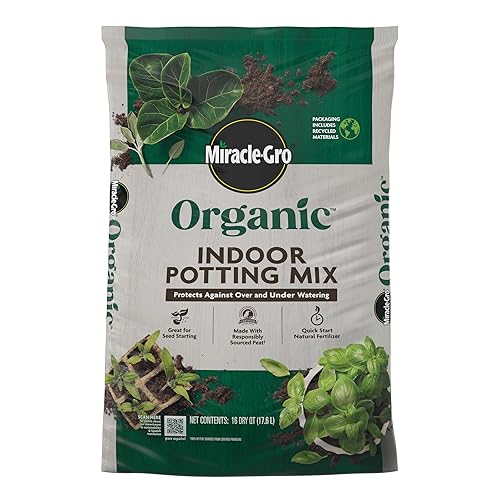
| Miracle-Gro Organic Indoor Potting Mix | Small containers and starter plants | Moisture balance against over and under watering |
| Farmer’s Secret Soil Revitalizer | Improving existing bed soil | Liquid compost with humic acid |
| Michigan Peat Garden Magic General Purpose Potting Soil Mix | Large-volume bed amending | Peat-based moisture retention |
Plant Soil For Outdoor Container Plants, Contains Quick-Release Natural Fertilizer, OMRI Listed Miracle-Gro Organic Outdoor Potting Mix
Plant Soil For Outdoor Container Plants, Contains Quick-Release Natural Fertilizer, OMRI Listed Miracle-Gro Organic Outdoor Potting Mix, 16 qt.
Best for: Overall use in pollinator containers and raised beds
This is a good starting point for gardeners building a mixed pollinator planter who want one bag that handles most flowering perennials. Its outdoor formulation is designed for containers, which means it drains more freely than dense garden soil.
Key specs
- 16 quart bag
- OMRI Listed organic formulation
- Outdoor container potting mix with quick-release natural fertilizer
Pros
- Organic (OMRI Listed) ingredients
- Drains well for drought-tolerant natives
- Fertilizer included, so no separate feeding is needed at planting
Cons
- Bagged volume is small for full bed filling
- Fertilizer content may be more than a lean native planting needs
Bottom line: A strong all-around pick for gardeners who want one organic mix for containers and small beds.
Burpee Premium Organic Potting Mix Garden Soil with Coconut Coir for Indoor Plants & Outdoor Containers, OMRI Listed, Ideal for Vegetables, Flowers, Herbs (9 Quarts, 0.12-0.12-0.12)
Burpee Premium Organic Potting Mix Garden Soil with Coconut Coir for Indoor Plants & Outdoor Containers, OMRI Listed, Ideal for Vegetables, Flowers, Herbs (9 Quarts, 0.12-0.12-0.12)
Best for: Beginners and mixed plantings
Gardeners new to pollinator planting often want a mix that holds moisture evenly without becoming soggy. Coconut coir in this blend helps with that, and the nutrient ratio is modest, which suits most wildflowers.
Key specs
- 9 quart bag
- OMRI Listed organic formulation
- Listed nutrient analysis of 0.12-0.12-0.12
Pros
- Coconut coir improves water retention
- Low, balanced nutrient level
- Works in both pots and garden containers
Cons
- Smaller bag size limits bed-scale use
- Coir can dry out quickly in hot, windy spots
Bottom line: Good for a first pollinator container or a small mixed flower bed.
FoxFarm Happy Frog Potting Soil with 2 Plant Tags, 2 cu ft
Ready-to-Use Amended Container Blend with Soil Microbes, Earthworm Castings, Bat Guano, and Aged Forest Products FoxFarm Happy Frog Potting Soil with 2 Plant Tags, 2 cu ft
Best for: Established perennial and native pots
This pre-amended blend includes soil microbes, earthworm castings and bat guano. Gardeners growing long-lived natives in large pots often value that biological activity, which supports root development over several seasons.
Key specs
- 2 cubic foot bag
- Pre-amended with earthworm castings and bat guano
- Includes soil microbes
Pros
- Large volume for big containers or bed top-dressing
- Biologically active blend
- Good for perennials that stay in place for years
Cons
- Rich amendments may overfeed lean natives
- Heavy when wet, so plan for carrying and storage
Bottom line: A strong choice for large perennial containers where biological activity matters more than lean nutrition.
Protects Against Over & Under Watering, Planting Soil For Indoor Container Plants, Houseplants & Starter Plants, OMRI Listed Miracle-Gro Organic Indoor Potting Mix, 16 qt.
Protects Against Over & Under Watering, Planting Soil For Indoor Container Plants, Houseplants & Starter Plants, OMRI Listed Miracle-Gro Organic Indoor Potting Mix, 16 qt.
Best for: Small containers and starter plants
Starter pollinator plants such as seedlings of native asters or penstemon often need a mix that resists both drying and waterlogging during establishment. This indoor blend is formulated to moderate moisture swings.
Key specs
- 16 quart bag
- OMRI Listed organic formulation
- Designed for indoor container and starter plants
Pros
- Moisture-balancing formula suits seedlings
- Organic (OMRI Listed) ingredients
- Easy to handle for small pots
Cons
- Indoor formulation is less suited to heavy outdoor bed use
- Small volume for large plantings
Bottom line: Good for starting native seedlings in pots before transplanting them outdoors.
Farmer’s Secret Soil Revitalizer – Organic (OMRI Listed) Dirt Health Booster – Liquid Compost Soil Amendment – Activated Humic Acid (32oz)
Farmer’s Secret Soil Revitalizer – Organic (OMRI Listed) Dirt Health Booster – Liquid Compost Soil Amendment – Activated Humic Acid – Great for Fall/Spring Application (32oz)
Best for: Improving existing bed soil
This is a liquid amendment rather than a potting mix. It suits gardeners who already have a bed and want to improve biological activity and organic matter without replacing the soil.
Key specs
- 32 ounce bottle
- OMRI Listed organic liquid
- Contains activated humic acid
Pros
- Easy to apply to existing beds
- Organic (OMRI Listed) formulation
- Useful for spring or fall application
Cons
- Not a complete growing medium on its own
- Results depend on existing soil structure and drainage
Bottom line: Best as a supplement for an established pollinator bed, not as a standalone soil.
Moisture Retaining Mix for Indoor and Outdoor Planting, Potting, and Garden Use Michigan Peat Garden Magic General Purpose Potting Soil Mix, 40 lb
Moisture Retaining Mix for Indoor and Outdoor Planting, Potting, and Garden Use Michigan Peat Garden Magic General Purpose Potting Soil Mix, 40 lb
Best for: Large-volume bed amending
When a pollinator bed needs a lot of material to lighten heavy clay or build up a new plot, a large peat-based bag offers volume at a manageable weight per unit of coverage.
Key specs
- 40 pound bag
- General purpose peat-based potting mix
- Moisture-retaining formulation
Pros
- Large volume for bed-scale projects
- Improves moisture retention in sandy soil
- Suitable for indoor and outdoor use
Cons
- Peat-based, so not a sustainability-focused choice
- Can become hydrophobic if it dries out completely
Bottom line: A practical choice for bulk amending, especially where sandy soil needs more water-holding capacity.
Buying Guide
Drainage and Texture
Most native pollinators, including purple coneflower and many prairie plants, prefer soil that drains quickly. Look for mixes with perlite, pumice or coarse bark. If water pools on the surface after a heavy rain, the mix is too dense for these plants.
Good picks for this: Plant Soil For Outdoor Container Plants, Miracle-Gro Organic Outdoor Potting Mix; Burpee Premium Organic Potting Mix
Organic Certification
OMRI Listed products meet organic input standards for production. For pollinator gardens, organic inputs reduce the risk of exposing bees and butterflies to synthetic residues. Check the label for the OMRI mark rather than relying on the word “natural” alone.
Good picks for this: Farmer’s Secret Soil Revitalizer; FoxFarm Happy Frog Potting Soil
Nutrient Level
Many native flowers grow best in moderately fertile soil. Rich, heavily fertilized mixes can produce leafy growth at the expense of flowers and can favor weedy species. Check the nutrient analysis and whether the mix includes slow or quick-release fertilizer.
Good picks for this: Burpee Premium Organic Potting Mix; Miracle-Gro Organic Indoor Potting Mix
Container Size and Bag Volume
Estimate volume before buying. A 12-inch by 12-inch by 12-inch container holds about 1 cubic foot. Smaller bags work for pots, while bed-scale projects need multiple cubic feet or bulk bags.
Good picks for this: FoxFarm Happy Frog Potting Soil; Michigan Peat Garden Magic General Purpose Potting Soil Mix
Water Retention
Pollinator plantings often need less frequent watering once established, but seedlings need steady moisture. Coconut coir and peat improve retention, while sandy blends drain faster. Match the mix to your climate and watering habits.
Good picks for this: Miracle-Gro Organic Indoor Potting Mix; Burpee Premium Organic Potting Mix
Soil Biology and Amendments
Mixes that include earthworm castings, compost or soil microbes can support healthy root systems. Liquid amendments are useful for topping up existing beds in spring or fall.
Good picks for this: FoxFarm Happy Frog Potting Soil; Farmer’s Secret Soil Revitalizer
Sustainability and Ingredient Sourcing
Peat harvesting raises environmental concerns, so gardeners who prioritize sustainability may prefer coir-based or compost-based mixes. Check the ingredient list to see whether peat is the main component.
Good picks for this: Burpee Premium Organic Potting Mix; Plant Soil For Outdoor Container Plants
FAQ
What is the best soil for a pollinator garden?
For most pollinator gardens, a well-draining organic potting or garden mix with moderate nutrients works best. Avoid very rich, heavily fertilized blends, since they can reduce flowering in native plants.
Do native pollinator plants need special soil?
Many natives tolerate lean, well-drained soil and often do poorly in heavy, overfed mixes. Testing your existing soil before adding amendments helps you choose.
Can I use potting mix in a garden bed?
Yes, but potting mix is lighter and drains faster than garden soil. It works well for raised beds and containers. For in-ground beds, blend it with native soil rather than replacing the entire bed.
Is organic soil better for bees and butterflies?
OMRI Listed products avoid synthetic inputs, which reduces the chance of exposing pollinators to synthetic residues. Organic status does not guarantee that a product is pollinator-safe, so check other ingredients too.
How much soil do I need for a pollinator bed?
Multiply length by width by depth in feet, then divide by 27 to get cubic yards. A 4-foot by 8-foot bed filled 10 inches deep needs about 1.2 cubic yards, which is about 32 cubic feet.
Should I add fertilizer to a pollinator garden?
Often not. Most native flowers do well without added fertilizer. Test your soil first; a soil test can show whether nutrient levels are already adequate. Consult a local extension office for specific recommendations.
Conclusion
For most gardeners, the best soil for pollinator garden beds is a well-draining organic mix with moderate fertility. The Plant Soil For Outdoor Container Plants is a solid all-around choice. The Burpee Premium Organic Potting Mix suits beginners, while FoxFarm Happy Frog works well for large perennial pots. For starting seedlings, the Miracle-Gro Organic Indoor Potting Mix offers moisture balance. Farmer’s Secret Soil Revitalizer is best as a supplement for existing beds, and the Michigan Peat Garden Magic General Purpose Potting Soil Mix suits bulk amending where sandy soil needs more water-holding capacity. Test your soil and match the mix to your site conditions before committing to a large purchase.
Sources
- Research-based guidance on soil health, drainage and pollinator habitat from land-grant university extension programs (extension.org)
- Pollinator habitat recommendations, native plant selection and soil considerations for bees and butterflies
- Soil survey data and information on soil texture, drainage and organic matter (usda.gov)
Related reading
- 6 Best Raised Bed Pollinator Garden Kits for Bees and Butterflies (2026)
- Where to Buy Bulk Garden Soil: 6 Best Picks for Raised Beds (2026)
- What Is the Best Soil for Vegetable Garden? 6 Top Picks for 2026
About Graham Fisher
Graham Fisher is part of our editorial team and reviews and edits our vegetable & edible gardening guides, checking product details against manufacturer specifications and owner feedback.