 By Graham Fisher
Updated November 2026
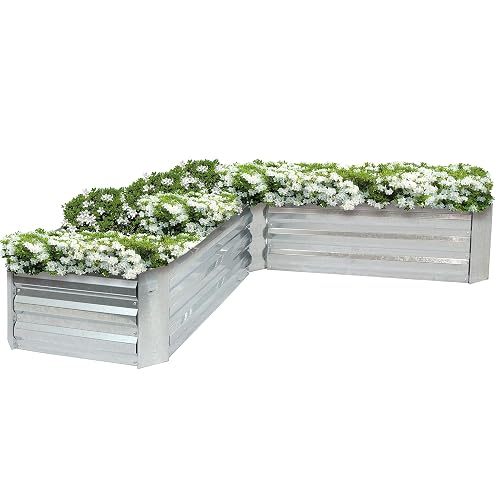
Raised bed soil wins for most vegetable gardeners who are building new beds, growing in poorly draining ground, or want tighter control over what goes into the root zone. Garden soil, meaning the native ground you already have, can work well for in-ground plots with good structure, deep topsoil, and no drainage problems. The right answer depends on what your existing ground looks like and how much of it you plan to amend, so the comparison below walks through the criteria that matter most when you are deciding between raised bed soil vs garden soil.
| Criterion | Raised bed soil | Garden soil (native ground) |
|---|---|---|
| Drainage | Excellent when mixed properly; water moves through quickly | Varies widely; clay holds water, sand drains too fast |
| Nutrient control | High; you set the starting fertility | Low to moderate; depends on existing organic matter |
| Soil warm-up in spring | Faster, often 1 to 2 weeks earlier | Slower, especially in heavy clay |
| Weed pressure | Lower when starting clean; weed seeds limited | Higher; buried seed bank from the ground below |
| Compaction | Low; you never walk on the bed | Higher if foot traffic is common |
| Root depth allowed | Deep, typically 10 to 12 inches or more | Limited by subsoil, hardpan, or water table |
| Setup effort | Significant; must fill and mix | Minimal if ground is already workable |
| Ongoing maintenance | Needs top-dressing with compost each year | Needs organic matter additions and occasional testing |
Drainage: Raised Bed Soil Wins
Drainage is the biggest practical difference between these two options. A well-built raised bed soil mix is usually a blend of topsoil, compost, and an aeration component such as coarse perlite or pine bark fines. That structure lets water move down through the profile and lets roots breathe. Many home gardeners who try to grow tomatoes or peppers in heavy clay find that the plants sit in saturated soil after every rain, which leads to root rot and blossom end rot issues tied to inconsistent moisture.
Garden soil varies enormously. Loam drains well and holds moisture in a healthy balance. Clay can stay waterlogged for days, while sandy soil may drain so fast that nutrients leach out before plants can use them. If your native ground is clay, a raised bed filled with a well-mixed soil gives you a reliable alternative. If your ground is already loamy and free-draining, the advantage shrinks.
Winner: raised bed soil, unless your garden soil is already a good loam.
Nutrient Control and Fertility: Raised Bed Soil Wins
When you fill a raised bed, you decide what goes in. A typical starting mix for vegetables might be roughly 60 percent quality topsoil or screened loam, 30 percent compost, and 10 percent aeration material. From there, you can add a balanced organic fertilizer at planting time. This gives you a known starting point and makes it easier to troubleshoot nutrient problems, since you are not guessing what the native ground contains.
Garden soil fertility depends on what has been done to it over the years. Some plots have decades of compost and manure behind them. Others have been depleted by repeated cropping. A soil test from your state cooperative extension office will tell you pH, phosphorus, potassium, and organic matter levels, and it is the first step if you stay with in-ground growing. Without that test, amendments are guesswork.
Winner: raised bed soil, because you control the starting fertility. Garden soil can match it once you have tested and amended it.
Warm-Up and Season Length: Raised Bed Soil Wins
Raised beds sit above the surrounding ground, expose more of their surface to sun, and drain excess water so the soil dries out and warms faster in spring. Gardeners in cooler climates often plant lettuce, peas, and spinach in raised beds one to two weeks earlier than they would in-ground. The effect is smaller in hot southern climates, where the advantage shifts toward shade management and moisture retention.
Native garden soil warms more slowly, particularly heavy clay that stays cold and wet into late spring. Dark mulch and black plastic can help in-ground beds warm up, but raised beds get the benefit without extra steps.
Winner: raised bed soil in cool or wet springs. In hot, dry regions, the gap narrows.
Weed Pressure: Raised Bed Soil Wins
A new raised bed filled with purchased or mixed soil starts with a much lower weed seed bank than most native ground. Native soil holds seeds from years of weeds, and tilling brings them to the surface where they germinate. You can still get weeds in raised beds, especially from wind-blown seed, compost that was not fully heated, or weedy mulch. Laying landscape fabric under the bed, or using a thick straw mulch once plants are established, helps keep things manageable.
Garden soil requires more weed control, especially in the first season. Repeated hoeing and pulling of perennial weeds such as bindweed or quackgrass can be tiring, and some perennial roots extend well below a raised bed’s depth, so they can still come up through the bottom if the bed sits directly on weedy ground.
Winner: raised bed soil, with the caveat that beds sitting on invasive perennial roots still need a barrier.
Compaction and Root Development: Raised Bed Soil Wins
Because you never walk on a raised bed, its soil stays loose over time. This matters most for root crops like carrots, parsnips, and beets, which need deep, loose soil to form straight roots. Most vegetable gardeners reach beds from the edges, keeping the planting area uncompacted for years.
In-ground garden soil can compact from foot traffic, equipment, and rain impact on bare ground. Subsoil layers or hardpan can also block roots at 8 inches or less, which limits what you can grow. A broadfork or a double-digging session can loosen the profile, but it is physical labor and needs repeating.
Winner: raised bed soil, particularly for root vegetables.
Setup Effort and Upkeep: Garden Soil Wins
This is where garden soil earns its place. If your ground is already workable, you can start planting with little more than clearing debris, adding compost, and possibly a soil test. There is no lumber to cut, no fill to haul, and no mixing to do. For a large garden, the savings in time and labor are substantial.
Raised beds require building the frame, filling it, and then maintaining the soil by adding compost each season. Beds also dry out faster in summer and may need more frequent watering. Over several years, you will need to top-dress and sometimes refresh the mix, since soil in raised beds settles and organic matter breaks down.
Winner: garden soil, for minimal setup and lower maintenance on good ground.
Root Depth: Raised Bed Soil Wins
Most raised beds are 10 to 12 inches deep, and deeper beds of 18 inches or more are common for tomatoes and other deep-rooted crops. You control the depth and the quality of every inch. In-ground gardens are limited by whatever lies below the topsoil. If you hit a hard layer at 6 inches, your effective root zone is 6 inches, no matter how much compost you dig in.
Winner: raised bed soil, because you choose the depth.
Which Should You Choose?
- Choose raised bed soil if your native ground is heavy clay, sits in a low spot that stays wet, has a shallow hardpan, or is full of perennial weeds.
- Choose raised bed soil if you are growing root vegetables and want loose, deep soil from the start.
- Choose raised bed soil if you live where spring is cold and you want an earlier start.
- Choose garden soil if you already have deep, well-drained loam that tests in a healthy range.
- Choose garden soil if you have a large plot and cannot justify the labor and material needed to fill raised beds across the whole area.
- Choose garden soil if you prefer low upkeep and are willing to add compost and test every few years.
Many gardeners use both: raised beds for tomatoes, peppers, and salad greens, and in-ground plots for squash, corn, and other large crops that need space.
Our Picks for Each Option
For raised beds, look for a bagged or bulk mix labeled for vegetable gardening and check that it contains compost and an aeration component. Options such as Espoma Organic Raised Bed Mix and Burpee Organic Raised Bed Soil are commonly available and are formulated for vegetable beds. Read the bag for the amendment list before you buy.
For in-ground garden soil improvement, a bagged compost or soil amendment such as Espoma Garden-tone or Dr. Earth Organic Compost can add organic matter to existing ground. These products are amendments rather than complete soil, so they work best mixed into the top several inches of native soil that has already been tested.
FAQ
Can I fill a raised bed with garden soil from my yard?
You can, but it is usually a poor choice. Native soil compacts when placed in a confined bed, drains poorly if it is clay, and may carry weed seeds and pathogens. If you do use it, mix it with at least equal parts compost and an aeration material, and test the result before planting.
How deep should raised bed soil be for vegetables?
Most vegetables do well in 10 to 12 inches of soil. Tomatoes, peppers, and eggplant benefit from 12 to 18 inches, and root crops also prefer deeper beds. Shallow beds of 6 inches work for lettuce and herbs.
Does raised bed soil need to be replaced every year?
Usually not. Top-dress with 1 to 2 inches of compost each spring and fully refresh the mix every three to five years, or sooner if plants show persistent disease or poor growth. A soil test can tell you when fertility or structure has declined enough to warrant more work.
Is garden soil or raised bed soil better for tomatoes?
For most home gardeners, raised bed soil is the easier path for tomatoes, since it drains well and warms early. Tomatoes grown in good loam in the ground can perform just as well, provided drainage is adequate and the soil has been tested and amended.
How do I know if my garden soil is suitable for vegetables?
Dig a hole about 12 inches deep and check drainage by filling it with water. If it drains within a few hours, your soil is probably workable. Send a sample to your state cooperative extension office for a full test covering pH, nutrients, and organic matter. Consult your local extension office for guidance specific to your region.
Conclusion
For most vegetable growers, raised bed soil is the stronger choice because it drains reliably, warms early, limits weeds, and lets you control fertility from the start. Garden soil remains a good option if your native ground is already a healthy, free-draining loam and you prefer low setup and maintenance. Test your existing ground before deciding, and consider a hybrid approach if your garden includes both high-value crops and large-space plantings.
Related reading
- Where to Buy Bulk Garden Soil: 6 Best Picks for Raised Beds (2026)
- Top 7 Vege Garden Soil Mix Picks for Raised Beds and Containers
- Top 7 Soils for Raised Vegetable Garden Beds: Compared for 2026
About Graham Fisher
Graham Fisher is part of our editorial team and reviews and edits our vegetable & edible gardening guides, checking product details against manufacturer specifications and owner feedback.