 By Graham Fisher
Updated November 2026
Shopping for an inexpensive raised bed garden is mostly a matter of matching the bed to how you plan to grow. A metal kit, a wooden planter, or a wheeled bed with storage can all work, but they differ in size, depth, weight and how long they last outdoors. This list compares seven widely sold options. Each was selected on published specifications, brand reputation, and patterns in owner feedback about assembly, rust, soil depth and stability. We did not test these products ourselves, so treat the notes below as a guide to what each design is built for.
Our top picks at a glance
- 1
 TOP CHOICEBest overallGalvanized Raised Garden Bed Outdoor, Large Raised Bed for Gardening,View on Amazon
- 2
 TOP CHOICEBest for two-bed setupsRaised Garden Bed, Galvanized Raised 2 Pcs 4×2×1ft Planter Boxes OutdoorView on Amazon
- 3
 TOP CHOICEBest for simple assemblyUtopia Home Galvanized Raised Garden Bed Kit 4x2x1ft Planter Box – Pack of 01 – SilverView on Amazon
- 4
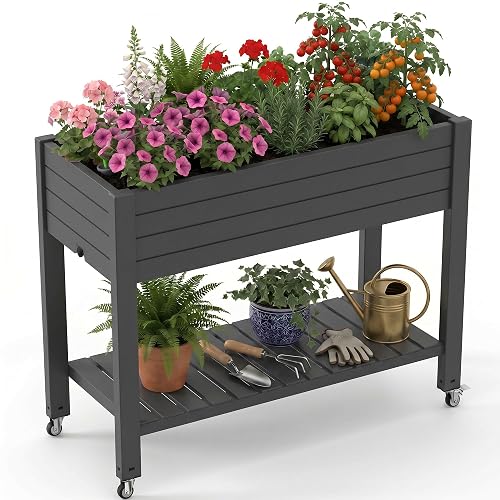 Best for mobility and storageThickened Weatherproof Elevated Garden Bed with Wheels and Extra Storage ShelfView on Amazon
- 5
 Best for patiosRust-Free Durable Raised Beds for Gardening, Open-Bottom Metal PlanterView on Amazon
- 6
 Best for larger plots8x4x1ft (2 Pack) Raised Garden Bed Kit, Galvanized Planter Box OutdoorView on Amazon
- 7
 Best budget wood optionYaheetech Raised Garden Bed Wooden Planter Box for Vegetables and FlowersView on Amazon
Galvanized steel kits dominate the budget end of the market. They are light enough to assemble in an afternoon, resist rot, and usually come with a 4-foot by 2-foot footprint that is comfortable to reach across. Wooden planters cost less per cubic foot of soil in some cases but require more attention to sealing and eventual replacement. Before you commit, check the depth. A bed that is 1 foot deep suits most vegetables, while root crops and tomatoes do better with more soil. For sizing your soil volume, see Raised Garden Soil Calculator: How Much Soil Your Beds Need.
Our Top Picks
| Product | Best for | Key feature |
|---|---|---|
| Galvanized Raised Garden Bed Outdoor (B0G4RQWT95) | General vegetable and flower beds | Wing-nut assembly with rolled edges |
| Galvanized Raised 2 Pcs Planter Boxes (B0CNLHCPGC) | Two beds at once | Two 4x2x1 ft boxes in one set |
| Utopia Home Galvanized Raised Garden Bed Kit (B0BQR7LX16) | Quick setup | Pre-punched kit design |
| Elevated Garden Bed with Wheels (B0GZNPM3JZ) | Moving beds and extra storage | Wheels and a storage shelf |
| Rust-Free Open-Bottom Metal Planter Box 2 Pack (B0H1LQPTV9) | Patios and herbs | Open bottom for in-ground roots |
| 8x4x1ft Raised Garden Bed Kit 2 Pack (B0G5G2MNSD) | Larger vegetable plots | 8-foot length for more planting area |
| Yaheetech Raised Garden Bed Wooden Planter Box (B07T3L3Z79) | Natural wood look | Solid wood construction |
Galvanized Raised Garden Bed Outdoor, Large Raised Bed for Gardening, 4x2x1ft Metal Planter Box
Galvanized Raised Garden Bed Outdoor, Large Raised Bed for Gardening, 4x2x1ft Metal Planter Box for Vegetables, Fruits, Flowers, Easy Assembly with Wing Nuts & Safe Rolled Design, Silver
Best for: General vegetable and flower beds on a budget
This is a sensible first bed for someone who wants a standard footprint without paying for extras. It suits beginners planting lettuce, beans, peppers and herbs.
Key specs
- Size: 4 ft x 2 ft x 1 ft
- Material: galvanized steel
- Assembly: wing nuts, no tools beyond a screwdriver or socket
Pros
- Standard size that is easy to reach across
- Rolled edges reduce the chance of cuts during handling
- Galvanized finish resists rot and insects
Cons
- One foot of depth is shallow for deep-rooted crops
- Thin metal can bulge if filled without internal support on longer sides
Bottom line: A strong default choice for a first raised bed garden that will mostly hold lettuce, herbs, and bush crops.
Raised Garden Bed, Galvanized Raised 2 Pcs 4×2×1ft Planter Boxes Outdoor
Raised Garden Bed,Galvanized Raised 2 Pcs 4×2×1ft Planter Boxes Outdoor with Easy Assembly, Large Garden Bed for Vegetables, Fruits, Flower
Best for: Two-bed setups that need matching units
Gardeners who want two beds side by side, or a row of crops split between two boxes, get the same footprint twice in one order.
Key specs
- Quantity: 2 planter boxes
- Size per box: 4 ft x 2 ft x 1 ft
- Material: galvanized steel
Pros
- Two matching beds simplify layout planning
- Same dimensions as the single-bed model above
- Good for splitting a crop rotation across beds
Cons
- Shallow depth limits root crops
- Two boxes need a level, sunny spot with enough room for both
Bottom line: Choose this if you want two identical beds and plan to rotate crops between them.
Utopia Home Galvanized Raised Garden Bed Kit 4x2x1ft Planter Box – Pack of 01 – Silver
Utopia Home Galvanized Raised Garden Bed Kit 4x2x1ft, Planter Box Raised Garden Beds Outdoor, Easy Assembly Metal Raised Bed for Gardening Vegetables, Fruits, Flowers – Pack of 01 – Silver
Best for: Quick setup on a single afternoon
Owners who want a bed ready for planting the same day often prefer kits with pre-punched panels and clear fastener counts.
Key specs
- Size: 4 ft x 2 ft x 1 ft
- Material: galvanized steel
- Single-bed pack
Pros
- Straightforward assembly for a first build
- Silver finish blends into most yards
- Standard size that works with common soil mixes
Cons
- Single-bed pack means a second order for a row
- Requires a level base for stable corners
Bottom line: A good pick for a gardener who wants the least assembly effort for one bed.
Thickened Weatherproof Elevated Garden Bed with Wheels and Extra Storage Shelf
Thickened Weatherproof Material, Elevated Garden Bed, 21 Gallon Planter Raised Beds for Vegetables, Fruits, Backyard EFU Raised Garden Beds Outdoor, with Wheels & Extra Storage Shelf
Best for: Mobility and under-bed storage
This design suits gardeners with limited mobility, renters who may move the bed, or anyone who wants tools and bags within arm’s reach.
Key specs
- Capacity: listed at about 21 gallons of soil
- Includes wheels and an extra storage shelf
- Weatherproof, thickened material as described in the listing
Pros
- Wheels make repositioning easier
- Storage shelf keeps supplies off the ground
- Elevated height reduces bending
Cons
- Capacity is smaller than a full 1-foot-deep bed
- Wheeled bases need a firm, level surface to roll well
Bottom line: The most practical option for accessibility and small spaces, though it holds less soil than a standard bed.
Rust-Free Durable Raised Beds for Gardening, Open-Bottom Metal Planter Box 2 Pack Oval White
Rust-Free Durable Raised Beds for Gardening, Open-Bottom Metal Planter Box, Ideal for Vegetables Flowers and Herbs, Patio Use Galvanized Raised Garden Bed Outdoor 4x2x1 ft 2 Pack Oval White
Best for: Patios, balconies and herb gardens
The open bottom lets roots reach native soil, which helps when you want a contained bed on hard ground but still need deep drainage.
Key specs
- Size: 4 ft x 2 ft x 1 ft per box
- Quantity: 2 pack
- Open-bottom metal design
Pros
- Open bottom supports deeper root growth
- Two-pack gives flexibility on patios
- Light finish helps reduce heat stress on roots
Cons
- Open bottom means weeds can grow up from below
- Lightweight metal may shift in strong wind unless anchored
Bottom line: A good choice for a patio or herb bed where you want extra root room without building a deep box.
8x4x1ft (2 Pack) Raised Garden Bed Kit, Galvanized Planter Box Outdoor
8x4x1ft (2 Pack) Raised Garden Bed Kit, Galvanized Planter Box Outdoor, Metal Raised Garden Beds for Flower,Vegetables, Herb,Silver
Best for: Larger vegetable plots with more planting area
The 8-foot length gives room for tomatoes, squash, or a full row of mixed vegetables in one box.
Key specs
- Size: 8 ft x 4 ft x 1 ft per box
- Quantity: 2 pack
- Material: galvanized steel
Pros
- Much more planting area per bed
- Good fit for crop rotation across two boxes
- Galvanized finish suits outdoor use
Cons
- Long span needs internal bracing or fill support to prevent bowing
- Heavier when filled, so placement should be settled before adding soil
Bottom line: The right pick if you want to grow more food in one bed and have space for a larger footprint.
Yaheetech Raised Garden Bed Wooden Planter Box for Vegetables and Flowers
Fir wood raised bed offers easy assembly, and a practical space for growing vegetables, herbs, and garden plants. Yaheetech Raised Garden Bed Wooden Planter Box for Vegetables/Flowers, Wood
Best for: A natural wood look at a budget price
Gardeners who prefer wood to metal, and who will seal or line the boxes to slow rot, often choose a wooden planter like this.
Key specs
- Material: fir wood, as stated in the listing
- Designed for vegetables, flowers and herbs
- Assembly: simple panel construction
Pros
- Natural appearance suits cottage and backyard styles
- Easy to assemble with basic tools
- Wood is easy to cut or modify later
Cons
- Untreated wood can rot within a few seasons without sealing
- Owners often report needing to add corner bracing for stability
Bottom line: A reasonable budget wood option for gardeners who will maintain the wood and accept a shorter lifespan than metal.
Buying Guide
Material and durability
Galvanized steel resists rot and does not need annual sealing. Wood is warmer to the touch and blends into garden settings, but it breaks down faster in wet soil unless it is a rot-resistant species or treated with a food-safe finish. Check the coating and thickness in the listing, and look for rolled or reinforced edges that stop the sides from bowing under soil weight.
Good picks for this: Galvanized Raised Garden Bed Outdoor; Yaheetech Raised Garden Bed Wooden Planter Box
Size and footprint
A 4 ft by 2 ft footprint is the common standard because you can reach the center from either side without stepping onto the soil. Longer 8 ft beds give more planting area but need more soil and more support. Plan the bed before you buy, and leave at least 2 feet of walking space between beds.
Good picks for this: 8x4x1ft (2 Pack) Raised Garden Bed Kit; Utopia Home Galvanized Raised Garden Bed Kit
Depth and root space
One foot of depth is enough for most lettuce, herbs, beans and peppers. Carrots, parsnips and large tomatoes do better with 12 inches or more of soil, and an open-bottom bed can extend root space into native ground. For depth guidance, see Raised Garden Soil Depth: How Deep Your Vegetable Beds Should Be.
Good picks for this: Rust-Free Open-Bottom Metal Planter Box; Galvanized Raised Garden Bed Outdoor
Assembly and tools
Most budget kits use bolts, wing nuts or interlocking corners. Check whether the fasteners are included and whether you need a socket set or only a screwdriver. Kits with pre-punched holes assemble faster and tend to keep their shape better over time.
Good picks for this: Utopia Home Galvanized Raised Garden Bed Kit; Raised Garden Bed, Galvanized Raised 2 Pcs Planter Boxes
Mobility and storage
If you need to move the bed, check the weight when filled. A 1-foot bed with soil can weigh several hundred pounds, so wheels only help if the base is designed for it. Shelves and wheels add convenience but reduce soil capacity.
Good picks for this: Thickened Weatherproof Elevated Garden Bed with Wheels; Rust-Free Open-Bottom Metal Planter Box
Drainage and soil
Solid-bottom beds need drainage holes or a gap at the base so water does not pool. Use a loose, well-draining mix. For mix ideas, see Raised Garden Bed Soil Mixture: A Step-by-Step Recipe for Healthy Vegetables.
Good picks for this: Rust-Free Open-Bottom Metal Planter Box; 8x4x1ft (2 Pack) Raised Garden Bed Kit
Long-term care
Metal beds benefit from an annual check of bolts and corners. Wooden beds need inspection for soft spots and may need replacement after several seasons. Keep soil levels topped up after settling, and avoid storing heavy tools on the rims.
Good picks for this: Galvanized Raised Garden Bed Outdoor; Yaheetech Raised Garden Bed Wooden Planter Box
FAQ
What is the cheapest material for a raised garden bed?
Untreated wood can be inexpensive to buy, but it needs replacing sooner. Galvanized steel costs more up front in many cases and lasts considerably longer outdoors, so consider total use over several years rather than the first order alone.
How deep should an inexpensive raised bed garden be?
Most vegetables grow well in 10 to 12 inches of soil. Shallow beds of about 6 inches work for lettuce and herbs, while root crops need more depth.
Can I use a raised bed on concrete or a patio?
Yes, but you need a solid-bottom bed with drainage holes and enough soil volume for roots. An open-bottom design does not work on a sealed surface, so check whether the base is closed or open before you choose.
How long do galvanized raised beds last?
Galvanized steel can last many years outdoors, depending on climate, coating thickness and soil conditions. Owners often report checking fasteners yearly and touching up any exposed cut edges.
Do I need to line a metal raised bed?
Many gardeners add a layer of landscape fabric to the base to slow weeds, but it is not always required. Lining the sides is not necessary for galvanized steel, though some growers do it to reduce soil contact.
Is a wooden raised bed safe for vegetables?
Untreated or naturally rot-resistant wood is generally used for vegetable beds. Avoid old railroad ties and pressure-treated lumber made before current formulations were introduced. If you have questions about a specific product or soil contamination, consult your local extension office or a qualified professional.
How much soil do I need to fill a bed?
Multiply length, width and depth in feet to get cubic feet, then divide by 27 for cubic yards. A 4 ft by 2 ft by 1 ft bed holds about 8 cubic feet, or roughly 0.3 cubic yards.
Conclusion
For most gardeners, the galvanized 4 by 2 foot bed is the most useful starting point, and the two-pack or 8-foot options suit larger plans. Choose the open-bottom model for patios and herbs, the wheeled bed for mobility and storage, and the wooden planter if you prefer natural wood and will maintain it. Match the depth and size to the crops you plan to grow, and the bed will serve you for years.
Sources
- Research-based guidance on raised bed construction, soil depth and vegetable growing (extension.org)
- Information on safe materials and soil testing for home gardens (epa.gov)
- Background on vegetable crop requirements and soil management (usda.gov)
Related reading
- Where to Buy Bulk Garden Soil: 6 Best Picks for Raised Beds (2026)
- What Soil to Use for Raised Garden Beds (2026): Which Should You Choose?
- Top 7 Vege Garden Soil Mix Picks for Raised Beds and Containers
About Graham Fisher
Graham Fisher is part of our editorial team and reviews and edits our vegetable & edible gardening guides, checking product details against manufacturer specifications and owner feedback.