By Ethan Brooks
Updated November 2026
Finding the best place to buy soil for garden beds depends less on the store name and more on the product in the bag. Vegetables need loose, well-drained mixes with steady nutrition, while herbs and flowers may do fine with lighter blends. This guide compares seven widely sold options using four criteria: suitability for vegetables and containers, ingredient transparency, organic or OMRI listing where it applies, and how the bag size fits a typical raised bed or pot. Each pick below is listed on Amazon US, so you can compare sizes and read owner reviews before you buy.
Our top picks at a glance
- 1
 TOP CHOICEBest overallMiracle-Gro Organic Outdoor Potting Mix, 16 qtView on Amazon
- 2
 TOP CHOICEBest for vegetable bedsFoxFarm Raised Bed Planting Mix, 1.5 cu ftView on Amazon
- 3
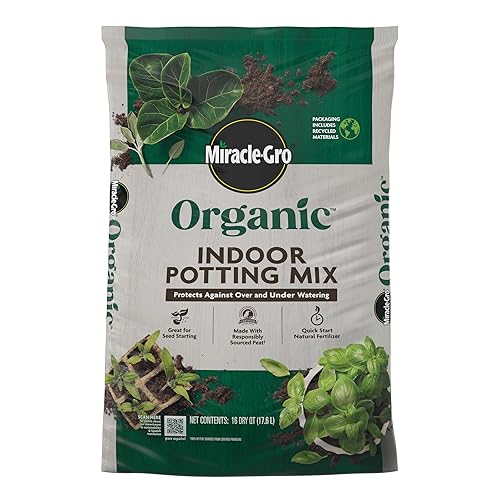 TOP CHOICEBest for indoor and starter plantsMiracle-Gro Organic Indoor Potting Mix, 16 qtView on Amazon
- 4
 Best budget pickPremium Topsoil, 0.75 cu. ft., with Peat MossView on Amazon
- 5
 Best for organic container vegetablesBurpee Premium Organic Potting Mix, 9 qtView on Amazon
- 6
 Best for compost enrichmentBack to the Roots Organic Compost, 1 cu ftView on Amazon
- 7
 Best for drainage-sensitive plantsBack to the Roots Organic Succulent and Cactus Soil, 6 qtView on Amazon
Our Top Picks
Quick Comparison
| Product | Best for | Key feature |
|---|---|---|
| Miracle-Gro Organic Outdoor Potting Mix, 16 qt | Outdoor containers and general vegetables | Quick-release natural fertilizer, OMRI listed |
| FoxFarm Raised Bed Planting Mix, 1.5 cu ft | Raised vegetable beds | Earthworm castings and oyster shell |
| Miracle-Gro Organic Indoor Potting Mix, 16 qt | Indoor plants and seedlings | Moisture balance to reduce over- and under-watering |
| Premium Topsoil, 0.75 cu ft | Topping up beds on a budget | Topsoil blended with peat moss as a conditioner |
| Burpee Premium Organic Potting Mix, 9 qt | Organic herbs and container vegetables | Coconut coir base, OMRI listed |
| Back to the Roots Organic Compost, 1 cu ft | Amending existing garden soil | Peat-free compost with yucca and gypsum |
| Back to the Roots Organic Succulent and Cactus Soil, 6 qt | Fast-draining plantings | Fast drainage, peat-free, made in the USA |
Miracle-Gro Organic Outdoor Potting Mix, 16 qt
Plant Soil For Outdoor Container Plants, Contains Quick-Release Natural Fertilizer, OMRI Listed Miracle-Gro Organic Outdoor Potting Mix, 16 qt.
Best for: Outdoor containers and general vegetable plantings
This is a practical starting point for gardeners who want one bag for pots, planters and small in-ground additions. It suits people who prefer an organic-labeled mix without mixing their own blend. A related read: 6 Best No Till Garden Tools for Healthier Soil (2026).
Key specs
- 16 quart bag
- OMRI listed for organic use
- Contains quick-release natural fertilizer
Pros
- Organic listing makes it easy to match organic gardening rules
- Built-in fertilizer reduces the need to feed plants right away
- Suitable for a wide range of outdoor containers
Cons
- Sixteen quarts fills only a few medium pots
- Fertilizer may need supplementing for heavy feeders like tomatoes later in the season
Bottom line: A strong all-round choice for container growers who want organic certification and convenience.
FoxFarm Raised Bed Planting Mix, 1.5 cu ft
FoxFarm Raised Bed Planting Mix, 1.5cu ft – All-Purpose Garden Soil with Earthworm Castings & Oyster Shell – Ready-to-Use Blend for Vegetables, Flowers, Fruits & Herbs
Best for: Filling new raised vegetable beds
Gardeners building or refilling raised beds often need a larger volume than a standard bag. This one is sized and formulated for that job, covering vegetables, fruit, herbs and flowers.
Key specs
- 1.5 cubic feet
- Includes earthworm castings and oyster shell
- Ready to use without mixing
Pros
- Volume is practical for a typical 4 x 8 foot bed at moderate depth
- Earthworm castings add slow-release nutrition
- Oyster shell helps buffer acidity over time
Cons
- Heavy to move in bulk; bags are awkward to carry on your own
- Nutrient-rich blends can burn seedlings if overused in the first weeks
Bottom line: The most relevant pick for gardeners who are specifically filling raised vegetable beds.
Miracle-Gro Organic Indoor Potting Mix, 16 qt
Protects Against Over & Under Watering, Planting Soil For Indoor Container Plants, Houseplants & Starter Plants, OMRI Listed Miracle-Gro Organic Indoor Potting Mix, 16 qt.
Best for: Indoor plants, seed starting and houseplants
Indoor growers often struggle with waterlogging or drying out. This mix is formulated to hold moisture more evenly, which suits windowsill herbs, seedlings and houseplants.
Key specs
- 16 quart bag
- OMRI listed for organic use
- Designed to reduce over- and under-watering
Pros
- Moisture balance is well suited to pots without drainage problems
- Lightweight compared with outdoor mixes
- Organic listing for edible indoor plants
Cons
- Not sized for in-ground or raised bed use
- Light texture can dry out quickly in hot, sunny spots outdoors
Bottom line: Choose this for indoor and seedling use rather than full garden beds.
Premium Topsoil, 0.75 cu. ft., with Peat Moss
Premium Topsoil 0.75 cu. ft., Lawn and Garden Top Soil, Soil Conditioner with Peat Moss
Best for: Budget top-ups and conditioning existing beds
Topsoil blends are commonly used to build up low spots or mix into heavy clay. This smaller bag works as a conditioner rather than a complete bed fill, and the peat moss helps improve moisture retention.
Key specs
- 0.75 cubic feet
- Lawn and garden topsoil blend
- Contains peat moss as a soil conditioner
Pros
- Lower-volume purchase suits small patches and repairs
- Peat moss helps loosen compacted ground
- Useful for mixing with existing garden soil
Cons
- Topsoil is generally less nutrient-rich than potting mixes
- Peat moss is not favored by gardeners prioritizing peat-free products
Bottom line: A practical choice for conditioning existing beds, not for growing vegetables in pure form.
Burpee Premium Organic Potting Mix, 9 qt
Burpee Premium Organic Potting Mix Garden Soil with Coconut Coir for Indoor Plants & Outdoor Containers, OMRI Listed, Ideal for Vegetables, Flowers, Herbs (9 Quarts, 0.12-0.12-0.12)
Best for: Organic herbs and container vegetables
This mix uses coconut coir instead of peat as its base, which appeals to gardeners wanting an organic, peat-free option for pots and planters.
Key specs
- 9 quart bag
- Coconut coir base
- OMRI listed for organic use
Pros
- Coconut coir is a renewable, peat-free base
- OMRI listing supports organic growing
- Good size for a few herb pots or one large container
Cons
- Smaller bag runs out quickly for multiple containers
- Coir can dry out faster than peat if not watered evenly
Bottom line: Best for organic container growers who want a peat-free base.
Back to the Roots Organic Compost, 1 cu ft
Organic compost soil amendment for raised beds, gardens and plants; peat-free blend with yucca and gypsum; 25.7 quart bag Back to the Roots Organic Compost for Vegetable Garden, 1 Cubic Foot
Best for: Enriching existing garden beds with organic matter
Compost-based amendments work best when mixed into beds you already have. This peat-free compost blend is intended for raised beds, gardens and plants that need added organic matter.
Key specs
- 1 cubic foot (about 25.7 quarts)
- Peat-free blend with yucca and gypsum
- Intended for raised beds and garden soil
Pros
- Peat-free composition
- Useful for improving structure in existing soil
- Can be blended with topsoil for new beds
Cons
- Compost alone is usually too dense to serve as a full planting medium
- Requires mixing to reach a good planting texture
Bottom line: Treat it as an amendment rather than a complete soil for vegetable beds.
Back to the Roots Organic Succulent and Cactus Soil, 6 qt
Fast-draining cactus and succulent soil for aloe, jade, cacti and indoor or outdoor plants; peat-free, made in the USA Back to the Roots Organic Succulent and Cactus Soil, 6 Quart
Best for: Fast-draining containers and drought-tolerant plants
Vegetables generally want moisture-retaining mixes, so this is a specialty pick. It suits herbs that prefer dry roots, such as rosemary and thyme, and gardeners growing in containers that drain poorly.
Key specs
- 6 quart bag
- Peat-free formulation
- Made in the USA
Pros
- Fast drainage reduces root rot risk in pots
- Peat-free composition
- Works well for Mediterranean herbs
Cons
- Too lean for most vegetables without added fertilizer
- Dries out quickly in hot weather
Bottom line: A niche pick for drought-tolerant herbs, not a general vegetable soil.
Buying Guide
Choose the right mix type for your plants
Raised bed mixes are blended for in-ground-style depth and volume, potting mixes are lighter and better for containers, and topsoil or compost are better used as amendments. Matching the product to the planting job prevents most early problems.
Good picks for this: FoxFarm Raised Bed Planting Mix, Miracle-Gro Organic Outdoor Potting Mix
Check for organic listing if you garden organically
OMRI listing indicates a product has been reviewed for compliance with organic standards. Look for it on the label if your gardening approach requires organic inputs.
Good picks for this: Burpee Premium Organic Potting Mix, Miracle-Gro Organic Indoor Potting Mix
Consider peat-free options
Peat moss harvesting affects wetland ecosystems, and many gardeners prefer coir or compost bases. Read the ingredient list to see what the base material is.
Good picks for this: Back to the Roots Organic Compost, Back to the Roots Organic Succulent and Cactus Soil
Match bag volume to your project
Calculate volume before buying. A raised bed measuring 4 feet by 8 feet and 12 inches deep holds about 32 cubic feet, so bagged products will need to be purchased in bulk for full beds. Smaller bags work well for topping up or for containers.
Good picks for this: Premium Topsoil with Peat Moss, FoxFarm Raised Bed Planting Mix
Look at drainage and moisture retention
Vegetables need steady moisture without soggy roots. Mixes with fast drainage suit herbs and succulents, while moisture-retaining blends suit tomatoes and cucumbers in containers.
Good picks for this: Miracle-Gro Organic Indoor Potting Mix, Back to the Roots Organic Succulent and Cactus Soil
Evaluate fertilizer content
Some mixes include slow-release or quick-release fertilizer, which can carry plants through the first weeks. Heavy feeders such as tomatoes and squash usually need supplemental feeding later in the season.
Good picks for this: Miracle-Gro Organic Outdoor Potting Mix, FoxFarm Raised Bed Planting Mix
Consider storage and handling
Bags of soil are heavy, and moisture can cause them to clump or grow mold if stored outdoors in damp conditions. Store unopened bags under cover and keep them off the ground.
Good picks for this: Burpee Premium Organic Potting Mix, Miracle-Gro Organic Indoor Potting Mix
FAQ
Where is the best place to buy soil for garden beds?
Garden centers, home improvement stores and online retailers all carry bagged garden soil. Online sellers often list exact volumes and ingredients, which makes comparing options easier. Local landscape suppliers may sell bulk soil cheaper per cubic foot if you can haul it.
Is potting mix the same as garden soil?
No. Potting mix is lighter and designed for containers, while garden soil and raised bed mixes are heavier and built for in-ground or deep bed use. Using potting mix in large beds can compact and dry out.
How much soil do I need for a raised bed?
Multiply length, width and depth in feet, then divide by 27 to get cubic yards. A 4 x 8 foot bed 12 inches deep needs about 2.4 cubic yards. Buy a little extra to allow for settling.
What does OMRI listed mean?
OMRI, the Organic Materials Review Institute, reviews input products for compliance with organic standards. A listing indicates the product is approved for organic production under those standards.
Should I add compost to bagged soil?
Many gardeners blend compost into bagged mixes to add organic matter. Mix a few inches of compost into the top layer of existing beds, and check that the blend drains well before planting.
How often should I replace soil in raised beds?
Many gardeners refresh the top several inches each season with compost and fresh mix, and replace the full bed every few years if drainage declines. Soil testing can help you decide. Consult your local extension office for guidance specific to your region.
Conclusion
For most vegetable gardeners searching for the best place to buy soil for garden beds, the FoxFarm Raised Bed Planting Mix is the most relevant choice for filling raised beds, while the Miracle-Gro Organic Outdoor Potting Mix suits containers and organic growers. Indoor and seedling projects are better served by the Miracle-Gro Organic Indoor Potting Mix. Budget-minded gardeners topping up beds may prefer the Premium Topsoil, and compost-minded growers can use the Back to the Roots Organic Compost as an amendment. Match the bag to the job, check the ingredient list, and buy enough volume for your planned beds.
Sources
- Research-based guidance on soil mixes, raised beds and container growing from land-grant university extension programs (extension.org)
- Information on soil health, organic production standards and agricultural soil resources (usda.gov)
- Guidance on compost, soil quality and safe handling of garden materials (epa.gov)
Related reading
- Where to Buy Bulk Garden Soil: 6 Best Picks for Raised Beds (2026)
- 7 Best Places for Buying Bulk Garden Soil for Raised Beds (2026)
- Who Has Garden Soil on Sale: Where to Look and How to Buy Smart
- Where to Order Garden Soil: Best Sources and How to Choose (2026)
- What Is the Best Soil for Vegetable Garden? 6 Top Picks for 2026
About Ethan Brooks
Ethan Brooks is part of our editorial team and reviews and edits our vegetable & edible gardening guides, checking product details against manufacturer specifications and owner feedback.