By Ethan Brooks
Updated November 2026
Choosing a slow release fertilizer for vegetable garden beds comes down to how long the feeding lasts, what nutrients it supplies, and whether it suits your soil and growing style. Slow release products feed plants gradually over weeks or months, which reduces the risk of nutrient burn and leaching compared with fast-acting liquids. The six products below were compared on published specifications, brand reputation and the patterns owners commonly report, with attention to release timing, nutrient balance, organic status and package size.
Our top picks at a glance
- 1
 TOP CHOICEBest overallOsmocote Smart-Release Plant Food Flower & Vegetable, 8 lb.View on Amazon
- 2
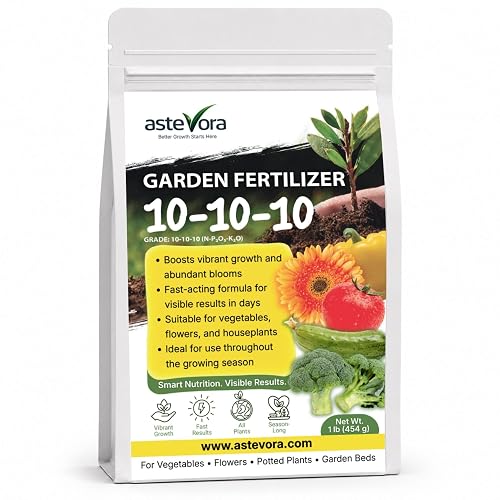 TOP CHOICEBest for container and small-space planting10-10-10 Plant Fertilizer Slow Release (1/2 Quart)View on Amazon
- 3
 TOP CHOICEBest for mixed beds with added micronutrientsOsmocote Smart-Release Plant Food Plus Outdoor & Indoor, 2 lb.View on Amazon
- 4
 Best organic choice for tomatoes and herbsDr. Earth Organic 5 Tomato, Vegetable & Herb FertilizerView on Amazon
- 5
 Best for fast leafy growthTrue Organic Blood Meal, 3 lb.View on Amazon
- 6
 Best budget organic pickDown to Earth All Natural Organic Vegetable Garden Fertilizer, 5 lb.View on Amazon
Our Top Picks
| Product | Best for | Key feature |
|---|---|---|
| Osmocote Smart-Release Plant Food Flower & Vegetable, 8 lb. | Large beds and season-long feeding | Continuous-release prills in a large bag |
| 10-10-10 Plant Fertilizer Slow Release (1/2 Quart) | Containers and small plots | Balanced N-P-K granular formula |
| Osmocote Smart-Release Plant Food Plus Outdoor & Indoor, 2 lb. | Mixed beds and container gardens | 11 essential nutrients in one product |
| Dr. Earth Organic 5 Tomato, Vegetable & Herb Fertilizer | Organic growers feeding fruiting crops | Organic formula aimed at tomatoes and herbs |
| True Organic Blood Meal, 3 lb. | Nitrogen boost for leafy crops | High-nitrogen organic source |
| Down to Earth All Natural Organic Vegetable Garden Fertilizer, 5 lb. | Budget-conscious organic beds | Balanced 4-4-4 organic blend for raised beds |
Osmocote Smart-Release Plant Food Flower & Vegetable, 8 lb.
Continuous Release Plant Fertilizer for Vegetables and More Osmocote Smart-Release Plant Food Flower & Vegetable, 8 lb.
Best for: Large beds and season-long feeding If you want more background, see 5 Best Slow Release Organic Lawn Fertilizers for Bee-Safe Yards: Picks Compared.
This is a good fit for gardeners with several raised beds or an in-ground plot who want one application to carry plants through most of the season. Its size makes it practical for repeated top-dressing across many square feet.
Key specs
- Package size: 8 lb.
- Format: continuous-release granules
- Intended use: flowers and vegetables
Pros
- Large bag suits extended or multi-bed gardens
- Gradual release reduces the risk of burning roots
- Easy to mix into planting holes or sprinkle around established plants
Cons
- Release timing depends on temperature and moisture, so results vary by climate
- Bag size is more than a small container garden needs
Bottom line: A strong default for gardeners with a full vegetable plot who want steady feeding without frequent reapplication.
10-10-10 Plant Fertilizer Slow Release (1/2 Quart)
10-10-10 Plant Fertilizer Slow Release – 10 10 10 All Purpose Granular Garden Fertilizer for Vegetables, Tomato, Arborvitae, Shrubs, Rose, Flowers, Fruit, Fig Trees (1/2 Quart)
Best for: Containers and small plots
Gardeners growing tomatoes, peppers or herbs in pots and small raised beds will find this small, balanced formula easy to measure. The equal N-P-K ratio suits general vegetable feeding.
Key specs
- Package size: 1/2 quart
- Analysis: 10-10-10 (nitrogen, phosphate, potash)
- Form: granular, slow release
Pros
- Small package is easy to store and measure
- Balanced ratio covers general vegetable needs
- Works for shrubs and fruit plants as well
Cons
- Small quantity runs out quickly in larger beds
- Not organic, so it may not suit organic growers
Bottom line: A practical choice for container growers and small plots that need a balanced, easy-to-measure feed.
Osmocote Smart-Release Plant Food Plus Outdoor & Indoor, 2 lb.
Granular, Continuous Release Plant Fertilizer with 11 Essential Nutrients Osmocote Smart-Release Plant Food Plus Outdoor & Indoor1, 2 lb.
Best for: Mixed beds and container gardens
This granular product is aimed at gardeners who grow vegetables alongside ornamentals, or who move plants between indoors and outdoors. It suits a mixed approach across beds and pots.
Key specs
- Package size: 2 lb.
- Format: continuous-release granules
- Use: indoor and outdoor plants
Pros
- Versatile across containers, beds and houseplants
- Smaller bag is convenient for limited spaces
- Gradual release supports steady growth
Cons
- Costs more per pound than larger bags of the same brand
- Not certified organic
Bottom line: Best for gardeners with a mix of vegetables, flowers and houseplants who want one product across all of them.
Dr. Earth Organic 5 Tomato, Vegetable & Herb Fertilizer
Dr. Earth Organic 5 Tomato, Vegetable & Herb Fertilizer Poly Bag
Best for: Organic growers feeding fruiting crops
Organic gardeners growing tomatoes, peppers and herbs will find this formula suited to fruiting crops. It fits organic beds where synthetic fertilizers are not used.
Key specs
- Format: organic granular fertilizer in a poly bag
- Target crops: tomatoes, vegetables and herbs
- Organic-certified formulation per manufacturer
Pros
- Organic formula suits certified or organic-practice gardens
- Targeted to fruiting vegetables and herbs
- Releases nutrients through soil biology rather than all at once
Cons
- Release depends on soil microbial activity, so it is slower in cold soil
- Nutrient numbers should be checked against your soil test
Bottom line: A solid organic option for tomato and herb growers who want a slow, soil-friendly feed.
True Organic Blood Meal, 3 lb.
True Organic Blood Meal – High-Nitrogen Organic Fertilizer for Rapid Vegetative Growth – 3lb Bag Covers 104 Sq. Ft.
Best for: Nitrogen boost for leafy crops
Gardeners whose lettuce, spinach or brassicas look pale may benefit from a nitrogen-focused organic source. Blood meal is a traditional choice for this purpose.
Key specs
- Package size: 3 lb.
- Primary nutrient: high nitrogen
- Form: dried organic meal
Pros
- High nitrogen supports leafy vegetable growth
- Organic source for organic programs
- Small bag is easy to apply by the handful
Cons
- Nitrogen-heavy, so it can overfeed fruiting crops if overused
- Can attract animals if not worked into the soil promptly
Bottom line: Use it as a nitrogen supplement for leafy crops rather than an all-purpose feed.
Down to Earth All Natural Organic Vegetable Garden Fertilizer, 5 lb.
Down to Earth All Natural Fertilizers Organic Vegetable Garden – Plant Food for Vegetables, Herbs, Greens and Raised Beds 4-4-4, 5 lb
Best for: Budget-conscious organic beds
Organic gardeners with raised beds who want a balanced, all-purpose blend will find this a sensible starting point. It covers vegetables, herbs and greens in one product.
Key specs
- Package size: 5 lb.
- Analysis: 4-4-4 (balanced)
- Use: vegetables, herbs, greens and raised beds
Pros
- Balanced analysis suits mixed vegetable beds
- Organic and all natural
- Good size for a few raised beds
Cons
- Lower nutrient concentration than synthetic products, so heavy feeders may need more
- Slower visible response than fast-acting feeds
Bottom line: A good organic, balanced choice for raised-bed gardeners who want an easy all-purpose feed.
Buying Guide
Release Duration and Mechanism
Slow release fertilizers work in two main ways. Synthetic products often use resin-coated or polymer-coated granules that release nutrients as temperature and moisture allow. Organic products rely on soil microbes to break down proteins and other compounds. Check whether the label gives a release period, such as several months, and remember that soil temperature changes the timing. Warm soil releases faster; cool soil slows release. For a full-season crop like tomatoes, look for a product described as continuous or season-long. Gardeners who want to understand their own soil before choosing may find Testing Soil for Garden Vegetables: A Step-by-Step Guide for Beginners useful.
Good picks for this: Osmocote Smart-Release Plant Food Flower & Vegetable, 8 lb.; Osmocote Smart-Release Plant Food Plus Outdoor & Indoor, 2 lb.
Nutrient Ratio (N-P-K)
The three numbers on a fertilizer label show the percentage of nitrogen, phosphorus and potassium by weight. Nitrogen drives leafy growth, phosphorus supports roots and flowering, and potassium supports fruit quality and overall plant health. A 10-10-10 balanced formula works for general use, while a fruiting-crop blend may carry a different ratio. Match the ratio to what you grow. Leafy greens often do well with more nitrogen, while tomatoes and peppers need steady phosphorus and potassium once they set fruit. Soil amendments guides such as Soil Additives for Garden: A Step-by-Step Guide to Better Vegetable Soil can help you plan around existing nutrient levels.
Good picks for this: 10-10-10 Plant Fertilizer Slow Release (1/2 Quart); Dr. Earth Organic 5 Tomato, Vegetable & Herb Fertilizer
Organic Versus Synthetic
Organic fertilizers are derived from plant, animal or mineral sources and are generally allowed in certified organic gardens. Synthetic slow release products are typically more concentrated and more predictable in their nutrient content. Organic options improve soil life over time but release more slowly in cool weather. Decide which approach fits your goals before comparing labels. If you are building soil from scratch, Top 7 Organic Raised Bed Garden Soil Picks for Healthy Vegetables is a helpful companion read.
Good picks for this: Dr. Earth Organic 5 Tomato, Vegetable & Herb Fertilizer; Down to Earth All Natural Organic Vegetable Garden Fertilizer, 5 lb.
Package Size and Coverage
Match package size to your garden area. Small bags suit containers and a few plants, while larger bags make sense for multiple raised beds or an in-ground plot. Check the label’s application rate, which is usually given per square foot or per plant, and calculate how much you will need before buying. Leftover product should be stored sealed and dry.
Good picks for this: 10-10-10 Plant Fertilizer Slow Release (1/2 Quart); Osmocote Smart-Release Plant Food Flower & Vegetable, 8 lb.
Specific Crop Needs
Different crops have different demands. Heavy feeders such as tomatoes, squash and corn need more sustained nutrition. Leafy greens benefit from nitrogen during rapid growth. Herbs generally need less fertilizer than fruiting vegetables, and too much feeding can reduce their flavor. Planning your beds by crop type, as described in Vegetable Garden Layout Companion Planting: A Step-by-Step Guide, can make it easier to apply the right feed to the right plants.
Good picks for this: True Organic Blood Meal, 3 lb.; Dr. Earth Organic 5 Tomato, Vegetable & Herb Fertilizer
Application Method
Most slow release granules are scattered on the soil surface around plants and worked lightly into the top inch, or mixed into planting holes at transplanting. Keep granules a few inches away from stems to avoid root contact with concentrated pellets. Water after application to start the release process. Re-apply according to the label, usually once per growing season for continuous-release products.
Good picks for this: Osmocote Smart-Release Plant Food Plus Outdoor & Indoor, 2 lb.; Down to Earth All Natural Organic Vegetable Garden Fertilizer, 5 lb.
Storage and Shelf Life
Keep fertilizer dry and sealed. Moisture can clump granules and begin early release inside the bag. Store in a cool, dry place away from children and pets. Organic meals may attract rodents or insects if stored loosely, so use a sealed container.
Good picks for this: Down to Earth All Natural Organic Vegetable Garden Fertilizer, 5 lb.; True Organic Blood Meal, 3 lb.
FAQ
How long does slow release fertilizer last in a vegetable garden?
Duration depends on the product and conditions. Many continuous-release granules are labeled for several months, while organic products may break down over a longer period. Warm, moist soil speeds release, and cool weather slows it. Check the label for the stated period and plan a reapplication schedule accordingly.
Can I use slow release fertilizer on tomatoes?
Yes. Tomatoes benefit from steady feeding through the season. Choose a balanced or fruiting-crop formula, and avoid overfeeding nitrogen once fruit begins to set, since excess nitrogen can encourage leaves at the expense of fruit.
Is slow release fertilizer safe for herbs?
Most slow release products can be used on herbs, but herbs usually need less feed than fruiting vegetables. Apply at the lower end of the label rate, and watch for lush growth with weak flavor, which can signal too much nitrogen.
Do I still need to test my soil?
A soil test helps you choose a fertilizer that fills actual gaps rather than guessing. Many university extension services offer testing. If you are unsure where to start, Soil Test for Vegetable Garden: 7 Best Kits Compared (2026) covers options for home testing.
Can slow release fertilizer burn plants?
Burning is less likely with slow release products than with fast-acting synthetic fertilizers, because nutrients are released gradually. Still, applying too much or placing granules directly against stems can cause damage. Follow label rates and keep granules away from stems.
Should I mix organic and synthetic fertilizers?
Some gardeners combine them, but you should not mix products carelessly in the same bag or container. If you use both, apply them at different times and track total nutrient input, so you do not oversupply the soil.
How do I apply slow release fertilizer to raised beds?
Scatter granules evenly over the bed surface, lightly work them into the top inch, and water thoroughly. Repeat according to the product’s schedule. For more on preparing the bed itself, see Soil Preparation Vegetable Garden: A Step-by-Step Guide for Beginners.
Conclusion
For season-long feeding across a full vegetable plot, the Osmocote Smart-Release Plant Food Flower & Vegetable, 8 lb. offers the most room to work. Container and small-space growers will find the 10-10-10 Plant Fertilizer Slow Release a manageable starting point. Organic gardeners growing tomatoes and herbs should consider Dr. Earth Organic 5 Tomato, Vegetable & Herb Fertilizer, while the Down to Earth All Natural Organic Vegetable Garden Fertilizer suits budget-minded organic raised beds. The True Organic Blood Meal fits as a targeted nitrogen supplement for leafy crops. Match the product to your crops, your soil and your preference for organic or synthetic feeding, and always follow the label rate.
Sources
- Research-based guidance on soil testing, fertilizer rates and nutrient management for home vegetable gardens (extension.org)
- Information on organic production standards and the National Organic Program (usda.gov)
- Guidance on safe storage, handling and disposal of garden fertilizers and related products (epa.gov)
About Ethan Brooks
Ethan Brooks is part of our editorial team and reviews and edits our vegetable & edible gardening guides, checking product details against manufacturer specifications and owner feedback.