By Ethan Brooks
Updated November 2026
Planning how to setup a vegetable garden can feel overwhelming, because the choices stack up fast: where to put the beds, how deep to dig, what to plant first, and when to start. The books in this list are the kind of reference that helps a beginner work through those decisions in order. The selection criteria were research-based: we looked at how fully each title covers site selection, soil preparation, layout and planting schedules, how well it suits a particular gardening situation such as small yards, containers or raised beds, how practical its advice appears to be for beginners, and the general reputation of the author or publisher in gardening circles. We did not test any of these books, and the notes below describe what each one is designed to do rather than any first-hand experience.
Best overall: The Vegetable Gardener’s Bible, 2nd Edition – View on Amazon
Best for small spaces: How to Start a Vegetable Garden for Small Spaces – View on Amazon
Best for no-dig beds: The Year-Round Vegetable Garden for Beginners – View on Amazon
Best for timing and schedules: Week-by-Week Vegetable Gardener’s Handbook – View on Amazon
Best for containers: The Vegetable Gardener’s Container Bible – View on Amazon
Best for beginners on a budget: The Old Farmer’s Almanac Vegetable Gardener’s Handbook – View on Amazon
Best for compact plots: The Compact Garden – View on Amazon
Our Top Picks
Quick Comparison
| Product | Best for | Key feature |
|---|---|---|
| The Vegetable Gardener’s Bible, 2nd Edition | Full-scale planning in North America | Wide-row and raised bed methods by region |
| How to Start a Vegetable Garden for Small Spaces | Balconies, patios and tight yards | Containers and small-plot setups |
| The Year-Round Vegetable Garden for Beginners | No-dig, low-effort starts | No-dig raised bed method |
| Week-by-Week Vegetable Gardener’s Handbook | Planning by calendar | Week-by-week task schedule |
| The Vegetable Gardener’s Container Bible | Pots, tubs and grow bags | Container selection and soil mixes |
| The Old Farmer’s Almanac Vegetable Gardener’s Handbook | Step-by-step newcomers | Practical how-to for common vegetables |
| The Compact Garden | Very small plots | Intensive spacing and succession planting |
The Vegetable Gardener’s Bible, 2nd Edition

The Vegetable Gardener's Bible, 2nd Edition: Discover Ed's High-Yield W-O-R-D System for All North American Gardening Regions: Wide Rows, Organic Methods, Raised Beds, Deep Soil
Best for: Full-scale planning in North America
This is a deep reference for readers who want to plan an entire vegetable plot, from site selection through harvest. It is often recommended to gardeners who expect to grow a wide range of crops and want a single book to consult across seasons.
Key specs
- Covers the W-O-R-D system, which is the author’s named approach to wide rows, organic methods, raised beds and deep soil
- Organized by North American gardening regions
- Second edition, so it reflects later revisions to the original material
Pros
- Very thorough on soil building and bed design
- Region-specific guidance helps match planting dates to your climate
- Works well as a long-term reference
Cons
- Dense for a first-time reader who only wants a small starter bed
- Regional sections may need adapting if you live outside North America
Bottom line: A good pick for someone planning a larger in-ground or raised-bed garden who wants depth over brevity.
How to Start a Vegetable Garden for Small Spaces

How to Start a Vegetable Garden for Small Spaces: All You Need to Know to Grow Vegetables in Containers, Raised Beds, and Other Small Space Solutions (The Urban Veggie Gardener)
Best for: Small spaces
Written for people with a balcony, patio, or a corner of a yard, this book focuses on getting food from limited square footage. It suits readers who feel a full-size plot is out of reach.
Key specs
- Covers containers, raised beds and other compact solutions
- Aimed at beginners starting from scratch
Pros
- Clear focus on the constraints of small areas
- Practical container and raised bed guidance
- Easy entry point for new gardeners
Cons
- Less coverage of large-scale crop rotation
- Limited depth on advanced techniques
Bottom line: The right starting point if your space is small and you want to learn the basics without overcommitting.
The Year-Round Vegetable Garden for Beginners

The Year-Round Vegetable Garden for Beginners: A Simple No-Dig Guide to a High-Yield Organic Harvest. Master Raised Beds, Companion Planting, Pest Control and Grow Fresh Food for Your Family All Year
Best for: No-dig, low-effort starts
This guide centers on a no-dig approach, which many beginners find less physically demanding than turning over native soil. It also covers companion planting and pest control, so it reads as a complete starter manual.
Key specs
- Covers no-dig and raised bed methods
- Includes companion planting and organic pest control
- Framed around year-round harvesting
Pros
- Reduces soil disturbance and the labor of double digging
- Covers pest and companion strategies in one place
- Year-round focus helps with succession planning
Cons
- No-dig methods need compost and mulch on hand, which takes planning
- Some claims about yields are specific to the author’s approach
Bottom line: A strong fit for beginners who prefer minimal digging and want to garden across the seasons.
Week-by-Week Vegetable Gardener’s Handbook

Week-by-Week Vegetable Gardener's Handbook: Perfectly Timed Gardening for Your Most Bountiful Harvest Ever
Best for: Planning by calendar
This handbook organizes gardening tasks by week, so you always know what to do next. It is useful for readers who struggle with timing more than with technique.
Key specs
- Week-by-week task structure
- Focuses on planting and harvest timing
Pros
- Makes it easy to see what to sow and when
- Good companion to a local frost date chart
- Keeps tasks manageable through the season
Cons
- Calendar timing is general and must be adjusted to your local climate
- Less focus on soil building than other titles
Bottom line: Best for gardeners who want a dependable seasonal checklist alongside another guide.
The Vegetable Gardener’s Container Bible
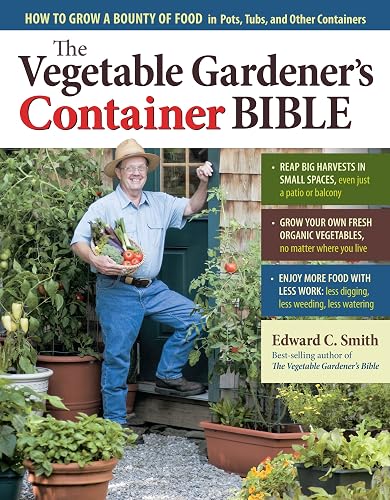
The Vegetable Gardener's Container Bible: How to Grow a Bounty of Food in Pots, Tubs, and Other Containers
Best for: Containers
If you plan to grow in pots, tubs or grow bags rather than in the ground, this book addresses container selection, potting mixes and watering. It suits renters and patio gardeners.
Key specs
- Covers pots, tubs and other containers
- Includes guidance on container mixes
Pros
- Specific to container growing, which many general guides treat briefly
- Helpful on drainage and container sizing
- Useful for mobile or temporary setups
Cons
- Not focused on in-ground or large raised bed systems
- Container crops need more frequent watering, which the book must be read alongside
Bottom line: A focused choice if containers are your main setup.
The Old Farmer’s Almanac Vegetable Gardener’s Handbook

The Old Farmer's Almanac Vegetable Gardener’s Handbook: Essential Step-by-Step Advice for Growing Vegetables and Achieving Success
Best for: Budget-minded beginners
This handbook offers step-by-step advice for common vegetables and is often chosen by first-time gardeners who want a straightforward reference. It is a practical general guide rather than a specialist text.
Key specs
- Step-by-step crop guidance
- Covers the general vegetable gardening process
Pros
- Clear and direct writing for newcomers
- Covers many common crops
- Good general reference for the whole season
Cons
- Less depth on advanced soil science
- General advice may need local adjustment
Bottom line: A practical starting point for readers who want a broad, easy-to-follow guide.
The Compact Garden

The Compact Garden: A Beginner's Guide to Growing Vegetables in Small Spaces
Best for: Very small plots
This beginner’s guide focuses on growing vegetables in small areas, using intensive spacing and succession planting to get more from each square foot. It suits readers with a limited footprint who still want a productive bed.
Key specs
- Focus on small-space growing
- Covers intensive planting approaches
Pros
- Strong on making small beds productive
- Accessible writing for beginners
- Useful succession planting guidance
Cons
- Less material on large-scale layout
- Intensive methods can demand close attention to watering and feeding
Bottom line: A good match for compact yards and small raised beds.
Buying Guide
Match the Book to Your Space
Before you buy, decide where your garden will go. A balcony or patio points toward container-focused titles, while a backyard with open ground suits broader plot planning. Measure the area you can realistically tend. A common starter bed is about 4 feet by 8 feet, which gives you enough room for a useful range of crops without making weeding unmanageable.
Good picks for this: How to Start a Vegetable Garden for Small Spaces, The Compact Garden
Check the Soil and Bed Coverage
A good setup guide should explain how to prepare native soil or build raised beds. Look for coverage of drainage, organic matter and bed depth. Many vegetable roots need at least 12 inches of loose soil, so a book that addresses depth is more useful than one that skips it.
Good picks for this: The Year-Round Vegetable Garden for Beginners, The Vegetable Gardener’s Bible, 2nd Edition
Look for Regional and Calendar Guidance
Planting dates depend heavily on your climate and last spring frost. A book organized by region or by week helps you translate general advice into local timing. Check whether the author addresses frost dates, or whether you will need to pair the book with a local extension service calendar.
Good picks for this: Week-by-Week Vegetable Gardener’s Handbook, The Vegetable Gardener’s Bible, 2nd Edition
Consider Your Growing Method
In-ground, raised bed, no-dig and container growing each need different instructions. If you plan to use containers, choose a title that addresses potting mixes and drainage specifically. If you want to avoid digging, a no-dig guide is more relevant.
Good picks for this: The Vegetable Gardener’s Container Bible, The Year-Round Vegetable Garden for Beginners
Assess Depth Versus Readability
Some books are dense reference works, while others are short, friendly starter guides. Beginners often do better with a readable overview they can finish, then a deeper reference later. Flip through a sample page to see whether the writing style suits you.
Good picks for this: The Old Farmer’s Almanac Vegetable Gardener’s Handbook, How to Start a Vegetable Garden for Small Spaces
Check the Crop Coverage
Think about what you want to eat. If you plan to grow tomatoes, beans, squash and leafy greens, confirm that the book covers those crops with spacing, timing and common problems. Guides that cover pest control and companion planting save time when problems appear.
Good picks for this: The Year-Round Vegetable Garden for Beginners, The Old Farmer’s Almanac Vegetable Gardener’s Handbook
Plan for Long-Term Use
A garden book can serve for many seasons. Choose a title whose structure you will return to, whether that is a seasonal calendar, a crop-by-crop reference or a method guide. Books with clear indexes make it easier to find answers mid-season.
Good picks for this: The Vegetable Gardener’s Bible, 2nd Edition, Week-by-Week Vegetable Gardener’s Handbook
FAQ
What is the first step in how to setup a vegetable garden?
Start by choosing a site that gets at least six to eight hours of direct sun daily, has access to water, and drains well. Then decide between in-ground beds, raised beds or containers based on your soil and space.
How big should a beginner vegetable garden be?
A single 4-by-8-foot bed is a manageable size for most first-time gardeners. It gives enough room for several crops while keeping weeding and watering practical.
When should I plant my vegetable garden?
Planting dates depend on your last spring frost. Cool-season crops like lettuce and peas can go in a few weeks before the last frost, while warm-season crops like tomatoes and peppers wait until nighttime temperatures stay consistently warm. Your local cooperative extension office can provide frost date tables for your area.
Do I need to test my soil before planting?
Testing is recommended, especially for new beds. A soil test shows pH and nutrient levels so you can amend with lime or fertilizer appropriately. Many state university extension services offer testing for a modest fee.
Is raised bed gardening better than planting in the ground?
Raised beds offer better drainage, can warm up faster in spring, and let you control the soil mix. In-ground planting costs less to start and suits existing healthy soil. Either can work well when managed properly.
How much water do vegetables need?
Most vegetables need about one inch of water per week, from rain or irrigation. Water deeply and less frequently to encourage deep roots, and water at the base of plants to reduce disease.
Can I start a vegetable garden in containers?
Yes. Containers work well for herbs, lettuce, peppers, and dwarf tomatoes. Choose pots with drainage holes and at least 5 gallons of volume for most crops.
Conclusion
Learning how to setup a vegetable garden is easier when you match a guide to your situation. For a broad, thorough reference, The Vegetable Gardener’s Bible, 2nd Edition offers depth. For small yards, How to Start a Vegetable Garden for Small Spaces and The Compact Garden are better starting points. Gardeners who prefer minimal digging should look at The Year-Round Vegetable Garden for Beginners, while those who need a schedule will find Week-by-Week Vegetable Gardener’s Handbook useful. Container growers should choose The Vegetable Gardener’s Container Bible, and newcomers wanting a straightforward overview may prefer The Old Farmer’s Almanac Vegetable Gardener’s Handbook. For more on preparing your site, see How to Prepare Soil for a Vegetable Garden: A Step-by-Step Guide and Vegetable Garden Layout Companion Planting: A Step-by-Step Guide.
Sources
- Research-based guidance from land-grant university extension programs on vegetable planting, soil and pest management (extension.org)
- Federal resources on soil health, plant hardiness zones and gardening fundamentals (usda.gov)
- Guidance on safe soil handling, lead testing and building raised beds with appropriate materials (epa.gov)
Related reading
- Raised Garden Soil Depth: How Deep Your Vegetable Beds Should Be
- Landecor Raised Garden Bed Ledgestones: Setup Steps and Tips for Vegetables
- How to Prepare Soil Vegetable Garden Beds: A Step-by-Step Guide
- How to Prep Soil for a Vegetable Garden: A Step-by-Step Guide
- How to Make Soil for a Raised Bed Garden: A Step-by-Step Guide for Vegetables
About Ethan Brooks
Ethan Brooks is part of our editorial team and reviews and edits our vegetable & edible gardening guides, checking product details against manufacturer specifications and owner feedback.