 By Ethan Brooks
Updated November 2026
If you are hunting for the cheapest place to buy garden soil, the lowest sticker price is only part of the picture. The real cost depends on how much soil you need, whether it suits your planting, and how much you have to amend or replace later. This guide compares five widely available options so you can match a bag or bulk purchase to your beds and containers. Selection criteria were research-based: manufacturer specifications, brand reputation, the consistency of owner feedback, and how well each product suits vegetables, herbs and containers.
Our top picks at a glance
- 1
 TOP CHOICEBest overallMiracle-Gro Organic Outdoor Potting Mix, 16 qt.View on Amazon
- 2
 TOP CHOICEBest for bulk topping upPremium Topsoil 0.75 cu. ft., Lawn and Garden Top SoilView on Amazon
- 3
 TOP CHOICEBest budget pickBack to the Roots Organic Potting Soil, All Purpose Potting Mix, 6 QuartView on Amazon
- 4
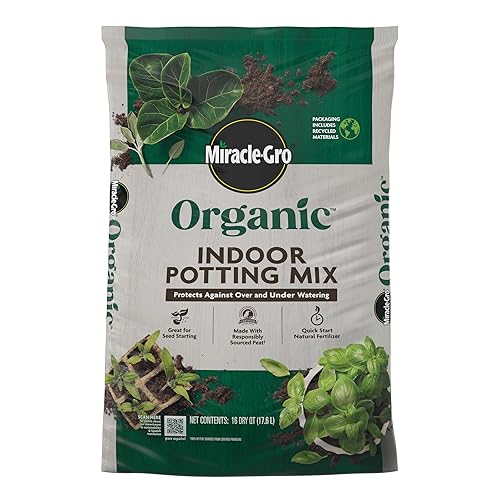 Best for indoor containersMiracle-Gro Organic Indoor Potting Mix, 16 qt.View on Amazon
- 5
 Best for vegetable containersBurpee Premium Organic Potting Mix Garden Soil with Coconut Coir, 9 qt.View on Amazon
Our Top Picks
Quick Comparison
| Product | Best for | Key feature |
|---|---|---|
| Plant Soil For Outdoor Container Plants, OMRI Listed Miracle-Gro Organic Outdoor Potting Mix, 16 qt. | Outdoor containers and general planting | Quick-release natural fertilizer |
| Premium Topsoil 0.75 cu. ft., Lawn and Garden Top Soil | Filling low spots and topping up beds | Soil conditioner with peat moss |
| Back to the Roots Organic Potting Soil, All Purpose Potting Mix, 6 Quart | Small budget projects and herbs | Peat-free, made in the USA |
| Miracle-Gro Organic Indoor Potting Mix, 16 qt. | Indoor and starter plants | Moisture control against over- and under-watering |
| Burpee Premium Organic Potting Mix Garden Soil with Coconut Coir, 9 qt. | Vegetable and herb containers | Coconut coir for moisture retention |
Miracle-Gro Organic Outdoor Potting Mix, 16 qt.
Plant Soil For Outdoor Container Plants, Contains Quick-Release Natural Fertilizer, OMRI Listed Miracle-Gro Organic Outdoor Potting Mix, 16 qt.
Best for: Outdoor container gardens and general planting If you want more background, see Riding Lawn Mower Cheapest Options: What to Buy and What to Skip.
This suits gardeners who need a dependable, ready-to-use mix for pots, planters and raised beds without mixing their own. It is a practical choice when you want a predictable starting point rather than a bulk material you must screen and amend.
Key specs
- Volume: 16 quarts
- Listed as OMRI Listed (organic input approval)
- Contains quick-release natural fertilizer
- Designed for outdoor containers
Pros
- Fertilizer is included, so you can plant right away.
- OMRI listing helps if you follow organic practices.
- Widely available, which makes restocking simple.
Cons
- A 16-quart bag covers only a few medium containers, so it gets expensive for large beds.
- The built-in fertilizer means you may need to adjust feeding later in the season.
Bottom line: A strong pick for container vegetables and flowers if you want convenience and organic inputs in one bag.
Premium Topsoil 0.75 cu. ft., Lawn and Garden Top Soil
Premium Topsoil 0.75 cu. ft., Lawn and Garden Top Soil, Soil Conditioner with Peat Moss
Best for: Filling low spots and topping up beds
This works for gardeners who need to add volume to in-ground beds, level a lawn edge or fill a raised bed where a lighter, bulk material is acceptable. It is generally better for structure than for growing demanding vegetables on its own.
Key specs
- Volume: 0.75 cubic feet
- Described as a lawn and garden topsoil with soil conditioner
- Contains peat moss
Pros
- Good for bulk volume when you need to fill a shallow bed or low area.
- Conditioner content helps loosen heavy ground.
- Easy to spread and blend into existing soil.
Cons
- Topsoil alone can be dense and low in organic matter for vegetables.
- Peat moss content is a concern for gardeners who prefer peat-free products.
Bottom line: Choose this for volume and structure, then blend in compost for vegetable beds.
Back to the Roots Organic Potting Soil, All Purpose Potting Mix, 6 Quart
Peat-free potting soil for outdoor plants, indoor plants, vegetables, herbs and flowers; yucca for moisture control; USA made Back to the Roots Organic Potting Soil, All Purpose Potting Mix, 6 Quart
Best for: Small budget projects and herbs
This suits beginners and gardeners starting a few herb pots, seedlings or a small flower border. It is a sensible low-commitment purchase when you are not yet sure how much soil your project will need.
Key specs
- Volume: 6 quarts
- Peat-free formulation
- Made in the USA
- Suitable for outdoor and indoor plants, vegetables and herbs
Pros
- Peat-free, which suits eco-minded growers.
- Small bag size lets you try it before committing to bulk.
- Works across vegetables, herbs and flowers.
Cons
- Per quart, a small bag costs more than bulk options, so it is not ideal for large beds.
- Six quarts fills only a few small pots.
Bottom line: Best for a small, peat-free starter purchase for herbs and containers.
Miracle-Gro Organic Indoor Potting Mix, 16 qt.
Protects Against Over & Under Watering, Planting Soil For Indoor Container Plants, Houseplants & Starter Plants, OMRI Listed Miracle-Gro Organic Indoor Potting Mix, 16 qt.
Best for: Indoor and starter plants
This fits houseplant growers and anyone starting seedlings indoors. The moisture-control claim is aimed at reducing the common problem of watering too much or too little in small containers.
Key specs
- Volume: 16 quarts
- Listed as OMRI Listed
- Designed for indoor container plants and starter plants
Pros
- Marketed moisture control helps reduce watering mistakes.
- OMRI listing suits organic growers.
- Good size for several indoor pots.
Cons
- Indoor-focused formulation is not ideal for large outdoor beds.
- Moisture-control benefits vary with pot type and watering habits.
Bottom line: A good value for indoor seedlings and houseplants, less suited to outdoor vegetable beds.
Burpee Premium Organic Potting Mix Garden Soil with Coconut Coir, 9 qt.
Burpee Premium Organic Potting Mix Garden Soil with Coconut Coir for Indoor Plants & Outdoor Containers, OMRI Listed, Ideal for Vegetables, Flowers, Herbs (9 Quarts, 0.12-0.12-0.12)
Best for: Vegetable and herb containers
This suits gardeners growing tomatoes, peppers, herbs and salad greens in containers. Coconut coir is commonly used to hold moisture and improve aeration, which matters for vegetables in pots during summer heat.
Key specs
- Volume: 9 quarts
- Contains coconut coir
- Listed as OMRI Listed
- Listed NPK ratio: 0.12-0.12-0.12
Pros
- Coconut coir supports moisture retention in containers.
- OMRI listing for organic growers.
- Suitable for both indoor plants and outdoor containers.
Cons
- Low nutrient ratio means heavy feeders need supplemental fertilizer.
- Nine quarts is limited for large raised beds.
Bottom line: A solid pick for vegetable and herb pots, provided you plan to feed crops during the season.
Buying Guide
Bag Size vs. Cost per Quart
The cheapest-looking bag is not always the cheapest per unit of soil. Compare the price per quart or cubic foot, not the sticker price. Bulk bags or delivered bulk soil usually cost less per volume, but only if you can use the full amount. For a single pot or two, a small bag avoids waste. For a raised bed, bulk delivery is often the better choice.
Good picks for this: Premium Topsoil, Miracle-Gro Organic Outdoor Potting Mix
Intended Use: Containers, Beds or Starting Seeds
Soil formulated for containers drains and holds moisture differently from topsoil meant for ground-level beds. Using a light potting mix in a large bed can cause compaction and nutrient issues, while heavy topsoil in a pot can stay waterlogged. Match the product to where it will go.
Good picks for this: Burpee Premium Organic Potting Mix, Back to the Roots Organic Potting Soil
Organic Certification and Inputs
If you grow organically, look for OMRI Listed on the label. This indicates the product’s inputs are approved for organic production. Check whether the fertilizer is included, since that affects whether you need to feed plants early.
Good picks for this: Miracle-Gro Organic Indoor Potting Mix, Miracle-Gro Organic Outdoor Potting Mix
Peat Content and Sustainability
Many traditional soils contain peat moss, which is harvested from wetlands. Peat-free mixes use coir, compost or other materials instead. If sustainability matters to you, check the ingredient list before buying.
Good picks for this: Back to the Roots Organic Potting Soil, Burpee Premium Organic Potting Mix
Moisture Retention and Drainage
Coir and quality potting mixes help hold moisture without staying soggy. Soils that dry out too quickly stress vegetables in summer. Test drainage by watering a sample in a pot: water should move through in a minute or two, not pool on top.
Good picks for this: Miracle-Gro Organic Indoor Potting Mix, Burpee Premium Organic Potting Mix
Nutrient Content
Some mixes include slow or quick-release fertilizer, while others are nearly unfed. Check the listed ratio on the bag. A low NPK rating means you will likely need to add fertilizer for heavy feeders like tomatoes and squash.
Good picks for this: Miracle-Gro Organic Outdoor Potting Mix, Burpee Premium Organic Potting Mix
Delivery, Storage and Handling
Bulk soil is heavy and bulky, so consider whether you can move it. Store opened bags in a dry place, covered, to prevent mold and clumping. Bags that have been left out in rain can be hard to work with.
Good picks for this: Premium Topsoil, Back to the Roots Organic Potting Soil
FAQ
Where is the cheapest place to buy garden soil?
Prices change, but bulk options from garden centers, landscape suppliers and online retailers usually offer the lowest cost per cubic foot. For small projects, large bags from home improvement stores can work well. Always compare the unit price rather than the bag price.
Is topsoil the same as garden soil?
No. Topsoil is typically the upper layer of ground soil and is often dense. Garden soil or potting mix is usually blended for better drainage and organic content. For vegetables, a blend or amended mix is generally better than topsoil alone.
How much soil do I need for a raised bed?
Multiply length by width by depth (in feet) and divide by 27 to get cubic yards. A 4 by 8 foot bed at 12 inches deep needs about 1.2 cubic yards. Add a little extra for settling.
Is peat-free soil worth it?
It is a good choice if you want to avoid peat harvested from wetlands. Peat-free mixes perform well for most vegetables and herbs, though you may need to check watering frequency during the first weeks.
Should I buy OMRI-listed soil?
If you follow organic practices or want inputs approved for organic production, yes. OMRI Listed means the product’s ingredients meet organic standards. It is not a guarantee of plant performance, so check how the mix suits your containers.
Can I use potting mix in raised beds?
Yes, but it can be costly over large areas. Many gardeners blend potting mix with compost or topsoil to stretch the budget while keeping good drainage.
Conclusion
For most container vegetable and herb growers, the Burpee Premium Organic Potting Mix or the Miracle-Gro Organic Outdoor Potting Mix offers a practical balance of moisture control and convenience. For filling low spots or adding bulk, Premium Topsoil is the logical choice, ideally blended with compost. Budget-conscious beginners with small herb projects may prefer the Back to the Roots 6-quart bag. Indoor growers should look at the Miracle-Gro Organic Indoor Potting Mix. Compare cost per quart across sizes before deciding, and match the product to where it will grow.
For more background, see Where to Order Garden Soil: Best Sources and How to Choose (2026), Where to Buy Bulk Garden Soil: 6 Best Picks for Raised Beds (2026), Garden Soil by the Bag: How to Choose, Buy and Use It Well, and Who Has Garden Soil on Sale: Where to Look and How to Buy Smart.
Sources
- Research-based guidance on soil, potting media and vegetable garden preparation from land-grant university extension programs (extension.org)
- Soil health and organic production information, including how soil properties affect plant growth (usda.gov)
- Guidance on composting and using organic materials in home gardens (epa.gov)
Before you buy: helpful guides
Related reading
About Ethan Brooks
Ethan Brooks is part of our editorial team and reviews and edits our vegetable & edible gardening guides, checking product details against manufacturer specifications and owner feedback.


