By Ethan Brooks
Updated November 2026
Choosing the right soil for square foot garden beds matters more than most beginners expect. Each 4-by-4-foot grid square holds roughly one cubic foot of growing medium, and the plants in it depend on that mix for every drop of water, every nutrient and every root that needs to spread. This guide compares seven ready-to-use products, weighing them against the criteria that count most: moisture retention, drainage, nutrient content, organic certification, bag size for filling a grid, and how well each suits vegetables. The picks are based on specifications, brand reputation and common owner feedback patterns, not on personal testing.
Our top picks at a glance
- 1
 TOP CHOICEBest overallFoxFarm Raised Bed Planting Mix, 1.5cu ft – All-Purpose Garden Soil wiView on Amazon
- 2
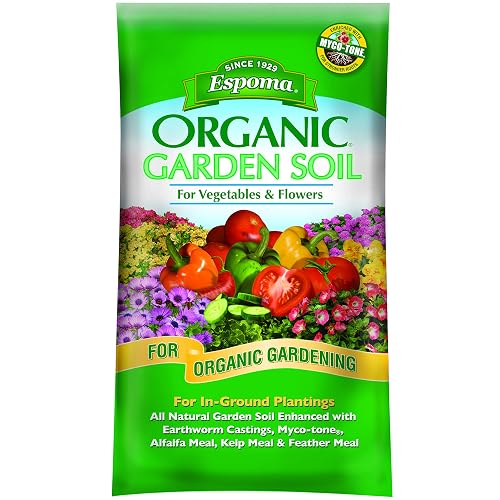 TOP CHOICEBest for organic vegetable bedsEspoma Organic Vegetable & Flower Garden SoilView on Amazon
- 3
 TOP CHOICEBest for container-style fertilizingPlant Soil For Outdoor Container Plants, Contains Quick-Release NaturaView on Amazon
- 4
 Best budget pickPremium Topsoil 0.75 cu. ft., Lawn and Garden Top Soil, Soil Conditioner with Peat MossView on Amazon
- 5
 Best for filling a full gridRaised Bed & Potting Mix – Organic Raised Bed Garden Soil, 2 Cubic Feet (56.6L)View on Amazon
- 6
 Best for small trial bedsAll Purpose Topsoil 6 lb Pail, Premium Garden Planting Soil for Indoor Outdoor PlantsView on Amazon
- 7
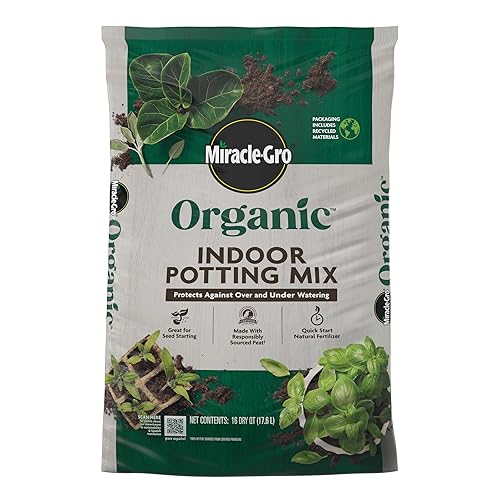 Best indoor-to-outdoor optionMiracle-Gro Organic Indoor Potting Mix, 16 qt.View on Amazon
Our Top Picks
Quick Comparison
| Product | Best for | Key feature |
|---|---|---|
| FoxFarm Raised Bed Planting Mix, 1.5 cu ft | All-round raised bed use | Earthworm castings and oyster shell blend |
| Espoma Organic Vegetable & Flower Garden Soil | Organic vegetable growing | Certified natural and organic formulation |
| Miracle-Gro Organic Outdoor Potting Mix, 16 qt | Fertilizer-free starts | Quick-release natural fertilizer, OMRI listed |
| Premium Topsoil 0.75 cu ft | Budget fills and amending | Peat moss soil conditioner |
| Organic Raised Bed & Potting Mix, 2 cu ft | Filling multiple grid squares | Compost and earthworm castings, ready to use |
| All Purpose Topsoil 6 lb Pail | Small test squares and containers | Compact pail size for quick top-ups |
| Miracle-Gro Organic Indoor Potting Mix, 16 qt | Indoor seed starting and houseplants | Moisture balancing for over- and under-watering |
FoxFarm Raised Bed Planting Mix, 1.5cu ft – All-Purpose Garden Soil with Earthworm Castings & Oyster Shell
FoxFarm Raised Bed Planting Mix, 1.5cu ft – All-Purpose Garden Soil with Earthworm Castings & Oyster Shell – Ready-to-Use Blend for Vegetables, Flowers, Fruits & Herbs
Best for: All-round raised bed use
This is a good fit for gardeners who want one bag that works across vegetables, herbs, flowers and fruit. Its 1.5 cubic foot volume covers a good portion of a single square foot grid when mixed with a little existing soil.
Key specs
- Volume: 1.5 cubic feet
- Ready-to-use blend, no mixing required
- Contains earthworm castings and oyster shell
Pros
- Versatile across most edible crop types
- Earthworm castings add slow-release nutrition
- Oyster shell helps buffer soil acidity
Cons
- Heavier than lighter peat-based blends
- Nutrients may need supplementing for heavy feeders like tomatoes after the first season
Bottom line: A strong default choice for a first square foot garden that will grow a mix of crops.
Espoma Organic Vegetable & Flower Garden Soil
Espoma Organic Vegetable & Flower Garden Soil Natural and Organic in Ground Planting Mix. Use When Planting & Transplanting. for Organic Gardening. 1 Cubic Foot Bag
Best for: Organic vegetable growing
Gardeners committed to organic methods who plant directly into their grid squares will find this formulation aligned with that goal. It is designed for use at planting and transplanting time.
Key specs
- Volume: 1 cubic foot bag
- Labeled natural and organic
- Intended for in-ground and raised bed planting
Pros
- Organic formulation suits certified organic systems
- Appropriate for both vegetables and flowers
- Single bag size is easy to handle for small beds
Cons
- One cubic foot per bag means more bags for a full grid
- Owners often mention it can be costly to use across many squares
Bottom line: Pick this if you need an organic product and are filling only a few squares at a time.
Plant Soil For Outdoor Container Plants, OMRI Listed Miracle-Gro Organic Outdoor Potting Mix, 16 qt.
Plant Soil For Outdoor Container Plants, Contains Quick-Release Natural Fertilizer, OMRI Listed Miracle-Gro Organic Outdoor Potting Mix, 16 qt.
Best for: Fertilizer-free starts
This mix suits gardeners who want a feeding boost built into the soil from the start, especially for seedlings and transplants that need steady early nutrition.
Key specs
- Volume: 16 quarts
- Contains quick-release natural fertilizer
- OMRI listed for organic use
Pros
- OMRI listing supports organic gardening goals
- Fertilizer included, reducing early feeding steps
- Lightweight for lifting into grid squares
Cons
- Volume is small for filling a full 4-by-4-foot bed
- Quick-release nutrients may be used up before late-season heavy feeders need more
Bottom line: A good pick for seedlings and small-scale starts rather than whole-bed filling.
Premium Topsoil 0.75 cu. ft., Lawn and Garden Top Soil, Soil Conditioner with Peat Moss
Premium Topsoil 0.75 cu. ft., Lawn and Garden Top Soil, Soil Conditioner with Peat Moss
Best for: Budget fills and amending
Gardeners on a tight budget who need to top up existing beds or mix into native soil will find this useful. Pure topsoil on its own is usually too dense for raised grid squares, so this works best blended.
Key specs
- Volume: 0.75 cubic feet
- Contains peat moss as a soil conditioner
- Intended for lawn and garden use
Pros
- Peat moss improves moisture retention
- Useful as a budget filler when blended with compost
- Easy to mix into existing soil
Cons
- Can compact in grid squares if used alone
- Limited volume for full beds
Bottom line: Best as a blending component rather than a stand-alone square foot mix.
Raised Bed & Potting Mix – Organic Raised Bed Garden Soil, 2 Cubic Feet (56.6L)
Raised Bed & Potting Mix – Organic Raised Bed Garden Soil for Vegetables, Flowers & Raised Garden Beds – Ready-to-Use Soil with Compost & Earthworm Castings, 2 Cubic Feet (56.6L)
Best for: Filling a full grid
Gardeners building a whole square foot layout will appreciate the larger volume. It is designed as a complete raised bed medium, so you can fill multiple squares from a single purchase.
Key specs
- Volume: 2 cubic feet (56.6 liters)
- Ready-to-use blend with compost and earthworm castings
- Organic raised bed formulation
Pros
- Covers multiple grid squares in one bag
- Compost and castings provide a balanced starting nutrient base
- No mixing needed
Cons
- Heavy to move once filled
- Some owners find it needs supplemental feeding by mid-season
Bottom line: The most practical choice for filling an entire multi-square layout.
All Purpose Topsoil 6 lb Pail, Premium Garden Planting Soil for Indoor Outdoor Plants
All Purpose Topsoil 6 lb Pail, Premium Garden Planting Soil for Indoor Outdoor Plants, Flowers, Vegetables, Shrubs, Raised Beds, Containers and Landscaping
Best for: Small trial beds
A small pail suits someone testing a single square or topping off a container. It is also handy for gardeners who want to try a new mix before committing to a bulk purchase.
Key specs
- Weight: 6 pounds
- Suitable for indoor and outdoor planting, raised beds and containers
Pros
- Compact and easy to store
- Flexible for many planting uses
- Good for quick top-ups mid-season
Cons
- Small quantity is impractical for full grids
- Nutrient content is not specified in detail on the listing
Bottom line: Use it for small jobs and trials rather than as your main bed medium.
Miracle-Gro Organic Indoor Potting Mix, 16 qt.
Protects Against Over & Under Watering, Planting Soil For Indoor Container Plants, Houseplants & Starter Plants, OMRI Listed Miracle-Gro Organic Indoor Potting Mix, 16 qt.
Best for: Indoor seed starting and houseplants
This mix is aimed at indoor growers and seed starters who want a forgiving medium that resists both drying out and waterlogging. It is less suited to full outdoor grid beds.
Key specs
- Volume: 16 quarts
- OMRI listed for organic use
- Designed to balance moisture for indoor plants
Pros
- Moisture-balancing formula reduces watering mistakes
- OMRI listing supports organic practice
- Good for seed starting before transplanting outdoors
Cons
- Not formulated as a long-term outdoor bed medium
- Small volume for multi-square planting
Bottom line: Ideal for starting seeds indoors that will later move to your square foot beds.
Buying Guide
Mix Composition and Drainage
A good square foot mix needs to hold moisture without becoming soggy. Many gardeners use a blend that is roughly one-third compost, one-third topsoil or garden soil, and one-third a porous amendment such as perlite or coarse vermiculite. Pure topsoil compacts quickly in a raised grid and drains poorly, while pure peat-based mixes can dry out and become hydrophobic if they are let go dry.
Good picks for this: FoxFarm Raised Bed Planting Mix, Organic Raised Bed & Potting Mix
Organic Certification
If you garden organically, check for an OMRI listing or a clear natural and organic label. OMRI (Organic Materials Review Institute) reviews inputs for organic production. A label alone does not guarantee every ingredient meets organic standards, so read the ingredient list when it is available.
Good picks for this: Espoma Organic Vegetable & Flower Garden Soil, Miracle-Gro Organic Outdoor Potting Mix
Nutrient Content
Mixes with compost, earthworm castings or added fertilizer give a head start. Heavy feeders such as tomatoes, squash and corn will usually need additional feeding after several weeks, so plan a side-dress or liquid feed rather than relying on the starting mix alone.
Good picks for this: Organic Raised Bed & Potting Mix, FoxFarm Raised Bed Planting Mix
Volume and Grid Fit
A square foot grid holds about one cubic foot of soil per square at a depth of around six inches. For a full 4-by-4-foot bed you will need about 16 cubic feet, so a bag of 1.5 to 2 cubic feet covers only a few squares. Calculate your total volume before you buy, and remember that bags are often sold by dry volume that settles after watering.
Good picks for this: Organic Raised Bed & Potting Mix, 2 cu ft, Premium Topsoil 0.75 cu ft for small amending jobs
Use Case: Outdoor Beds vs. Indoor and Seed Starting
Outdoor grid beds need a mix that can handle rain, temperature swings and root growth over a full season. Indoor and seed-starting mixes are usually finer and lighter, and they are designed to retain moisture around small roots. Using a seed-starting mix outdoors can lead to fast drying and poor structure, while using a heavy outdoor mix for seeds can slow germination.
Good picks for this: Miracle-Gro Organic Indoor Potting Mix, Miracle-Gro Organic Outdoor Potting Mix
Durability and Structure Over Time
Square foot soil settles and loses organic matter each season as microbes break it down. Plan to top up each grid with compost every spring. Mixes that start with good structure, including perlite or coarse particles, hold up better across multiple seasons than fine, dense blends.
Good picks for this: FoxFarm Raised Bed Planting Mix, Espoma Organic Vegetable & Flower Garden Soil
Care and Storage
Keep unused bags sealed and dry. Moist bagged soil can grow mold or attract pests, and a bag that has been rained on will be heavy and compacted. Store bags off the ground on a pallet or shelf, and mix a small batch at a time rather than opening several bags at once.
Good picks for this: All Purpose Topsoil 6 lb Pail, Premium Topsoil 0.75 cu ft
FAQ
How much soil do I need for a square foot garden?
Each square foot grid cell typically uses about one cubic foot of soil at a depth of around six inches. A standard 4-by-4-foot bed of 16 squares needs roughly 16 cubic feet, so plan for several bags or a bulk delivery. Remember that soil settles after watering, so order a little extra.
Can I use garden topsoil alone in a square foot grid?
It is not recommended. Topsoil tends to compact and drain poorly inside a raised grid. Blend it with compost and an airy amendment such as perlite or vermiculite to improve structure and drainage.
Do I need to replace the soil every year?
Not usually. Many gardeners refresh their beds each spring by adding a few inches of compost and working it in. Full replacement is only needed if the soil has been affected by disease or heavy pest pressure.
Is potting mix the same as garden soil for square foot gardening?
No. Potting mix is lighter and more moisture retentive, and it is designed for containers. Garden soil and raised bed mixes are heavier and built to support root structure in a bed over a full season. For a deeper comparison, see What's the Difference Between Potting Mix and Garden Soil (2026): Which Should You Choose?.
Should I test my soil before filling a square foot garden?
Testing is a good idea if you are mixing with native soil or if plants have struggled before. A basic soil test shows pH and nutrient levels so you can adjust amendments. For steps on collecting a sample, see How to Take a Soil Sample for a Garden Soil Test.
What is the best soil mix for vegetables in raised grids?
A blend with compost, a porous amendment and a balanced nutrient base works well for most vegetables. For more on matching soil to bed type, see What Soil to Use for Raised Garden Beds (2026): Which Should You Choose?.
How do I improve soil that is already in my square foot grid?
Add a 1 to 2 inch layer of compost each season and work it into the top few inches. Avoid walking on the beds, which compacts the soil. If drainage is poor, read Improving Garden Drainage in Heavy or Wet Soil.
Conclusion
For most square foot gardeners, the FoxFarm Raised Bed Planting Mix offers a practical all-round starting point, while the Organic Raised Bed & Potting Mix suits anyone filling multiple squares at once. Organic growers should look at the Espoma Organic Vegetable & Flower Garden Soil or the OMRI-listed Miracle-Gro Organic Outdoor Potting Mix. For seedlings, the Miracle-Gro Organic Indoor Potting Mix is a better fit, and the smaller topsoil pails are best for amending and small trials. Calculate your total grid volume first, then choose the mix that matches your crops and your growing method.
Sources
- Research-based guidance on soil structure, compost and raised bed media from land-grant university extension services (extension.org)
- Background on soil health, organic matter and conservation practices (usda.gov)
- Information on OMRI listing and what organic input review covers
Before you buy: helpful guides
- Companion Planting in a Square Foot Garden: A Step-by-Step Guide
- Square Foot Gardening Companion Planting Garden Layout: 6 Steps for 2026
- Companion Planting Chart Square Foot Garden: A Step-by-Step Guide
- Garden Soil Large Quantity: How to Buy, Mix and Spread It
- Miracle Gro Garden Soil Sale: Where to Find Deals and What to Buy
About Ethan Brooks
Ethan Brooks is part of our editorial team and reviews and edits our vegetable & edible gardening guides, checking product details against manufacturer specifications and owner feedback.