By Ethan Brooks
Updated November 2026
If you are trying to figure out the difference between garden soil and top soil, the short answer is this: top soil is the upper layer of native ground, usually sold for leveling, filling low spots, and topping lawns, while garden soil is a blended product meant for growing plants, often with compost or other amendments mixed in. For vegetable beds and containers, garden soil or a purpose-built raised bed mix usually wins. For bulk grading, filling a dip in the yard, or building up a lawn, top soil is the more sensible and economical choice.
| Criteria | Garden Soil | Top Soil |
|---|---|---|
| Origin | Blended product, often screened topsoil mixed with compost, peat, or bark | Excavated upper layer of native ground, sometimes screened and stockpiled |
| Organic matter | Typically higher, often 5 to 10 percent or more depending on the blend | Varies widely, often lower than a garden blend |
| Texture | Usually loamy and crumbly, designed for even moisture and root penetration | Can range from sandy to clay-heavy, depending on the source site |
| Drainage | Generally good when blended correctly | Can be poor if it contains a lot of clay or compacts easily |
| Nutrient content | More consistent, often with added nutrients | Unpredictable without testing |
| Weed seed and pathogen risk | Lower when produced under controlled conditions | Higher, since it comes from unknown ground and may carry weed seed |
| Best use | Vegetable beds, containers, flower beds | Grading, filling low spots, lawn topdressing, base layers under beds |
Origin and Composition: Which Is More Predictable?
Top soil is exactly what the name suggests: the top several inches of soil taken from a site, often with the subsoil below left in place. Suppliers strip it from fields, construction sites, or excavations, screen out rocks and debris, and sell it by the cubic yard. Because it comes from the ground itself, its makeup depends on where it was dug. One load might be a dark, crumbly loam, while the next could be heavy clay with a lot of gravel.
Garden soil is usually manufactured. A typical garden soil blends screened topsoil with compost, aged manure, peat moss or coir, and sometimes sand or perlite. The goal is a product that drains well, holds moisture, and gives roots an even environment. Because the ingredients are controlled, the finished mix tends to be more uniform from bag to bag or truckload to truckload.
Winner: Garden soil, for anyone who needs a predictable growing medium. Top soil can be a fine starting material, but it is harder to trust without testing. A related read: Best Solar Garden Lights.
Organic Matter and Nutrients: Which Feeds Plants Better?
Organic matter is what separates a productive growing medium from plain dirt. It improves water retention in sandy soil, loosens heavy clay, and feeds the microbes that make nutrients available to roots. Garden soil blends typically include compost or similar materials, so they start with a higher organic content. Many are formulated to carry a few percent or more of organic matter, and some products list their percentage on the label.
Top soil varies much more. Some topsoil is quite rich, especially if it came from a former pasture or a garden that was well maintained. Other loads are close to subsoil in fertility. Manufacturers and suppliers rarely guarantee nutrient levels for top soil, so you should not assume it will feed vegetables without amendment.
If you plan to grow vegetables, a soil test will tell you far more than either label. Our guide on Top 5 Soil Testing Kits for Vegetable Garden Beds Compared (2026) covers the options for checking pH and basic nutrients at home. You can also review Soil Amendments for Garden: 5 Best Picks Compared (2026) if you need to correct a deficiency.
Winner: Garden soil, because its organic content and nutrient profile are more consistent and easier to plan around.
Drainage and Texture: Which Holds Water Without Drowning Roots?
Texture determines how water moves through soil. Sand drains quickly but dries out fast. Clay holds water and can suffocate roots when saturated. Loam, a balanced mix of sand, silt, and clay with organic matter, is the target for most vegetables.
Garden soil is generally formulated toward loam or a loam-like structure. Adding compost and a coarse component like perlite or bark keeps the mix from packing down. This matters most in raised beds and containers, where water moves differently than it does in the ground.
Top soil is less predictable. A load of clay topsoil can turn into a brick after a few heavy rains, and sandy topsoil may need a lot of organic matter before it holds moisture well. If you do use top soil in a bed, mix in compost at a generous rate. A common starting point for raised beds is roughly one part compost to two or three parts topsoil by volume, adjusted after you see how the mix drains. For a deeper look at bed construction, see Soil Mix for Raised Garden Bed: 7 Best Picks for Vegetables (2026).
Winner: Garden soil, for beds and containers. For large areas where drainage is less critical, top soil can work with amendments.
Weed Seeds, Pathogens, and Contaminants
Top soil taken from an open field or a roadside cut can carry weed seed, nematodes, and soil-borne diseases. It can also occasionally contain residues from past land use, which is one reason to ask the supplier where the material came from. Reputable suppliers screen their material and can tell you its source.
Garden soil products generally go through more handling and are often heat-treated or processed to reduce weed seed, although no bagged or bulk product is guaranteed free of weeds. A garden blend is usually the lower-risk choice for vegetable beds, where you are planting directly into the medium and disturbing it less over time.
If you are unsure about a bulk load, ask the supplier about the source and whether the material was screened or treated. Our overview of Where to Order Garden Soil: Best Sources and How to Choose (2026) explains what to ask before you buy.
Winner: Garden soil, because controlled production reduces the chance of weeds and pathogens entering your beds.
Cost per Cubic Foot and Coverage: Which Makes Sense for Large Areas?
Top soil is typically the lower-cost option per cubic yard and is the standard choice for large jobs like leveling a yard, filling a drainage swale, or building up a lawn. You can often get several cubic yards delivered in one trip. If you are moving large volumes, that efficiency matters.
Garden soil and garden blends are usually sold in bags or by the cubic yard at a higher unit cost, since they include processed amendments. For a single raised bed, the premium is easy to justify. For a 40-foot row of raised beds, the total can climb quickly, and some gardeners choose a hybrid approach: a base of top soil or subsoil with a top layer of garden blend.
For budget-minded projects, Where to Buy Bulk Garden Soil: 6 Best Picks for Raised Beds (2026) compares bulk options that can stretch a limited supply further.
Winner: Top soil, for bulk volume and general grading. Garden soil wins when you are paying for the mix itself, not just the dirt.
Best Use Cases: Matching Each Material to the Job
Each material has a clear sweet spot, and using the wrong one leads to frustration. Top soil is a foundation material. Garden soil is a finishing material for the root zone. Many experienced gardeners use both, placing top soil or subsoil at the bottom of a deep bed and topping it with a richer garden blend.
For vegetables specifically, the root zone needs to be loose, fertile, and well drained to a depth of at least 8 to 12 inches. Tomatoes and peppers often benefit from even deeper beds. Our article on What Is the Best Soil for Vegetable Garden? 6 Top Picks for 2026 goes further into mixes for these crops.
Which Should You Choose?
- Choose garden soil if you are filling raised beds, growing vegetables in containers, or planting a flower bed where plant health matters more than bulk price.
- Choose top soil if you are leveling a yard, filling a low spot, topdressing a lawn, or creating a base layer under a deep bed.
- Choose a combination if you are building deep raised beds on a budget. Use top soil or subsoil for the lower half and garden soil for the root zone.
- Test before you buy any bulk material. Whether you pick top soil or garden soil, a basic test will show whether it needs lime, compost, or other amendments.
- Ask about the source of any top soil. Clean, screened material from a known site is far safer for food gardens than unknown fill.
Product Options for Each Type
When you shop, look for products described by their use rather than just their name. Labels for garden blends often list ingredients and organic content, while top soil listings usually describe texture and screening.
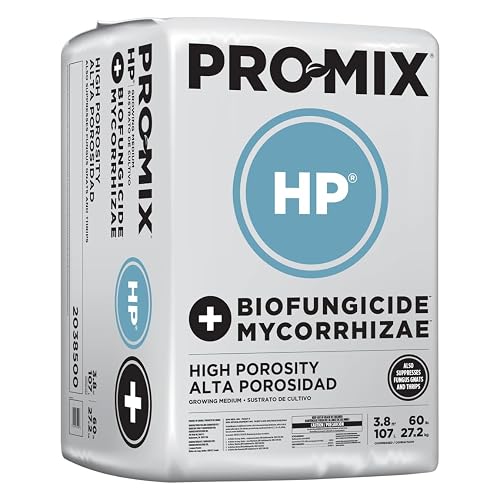
Garden soil option: View on Amazon is one example of a bagged, organic-based mix that many gardeners use for containers. For raised beds, a bagged garden blend such as View on Amazon is a common choice.
Top soil option: For bulk topsoil, most gardeners buy from local landscape suppliers rather than online. If you want a bagged, screened topsoil for small patches, View on Amazon is a product type you may find listed for lawn and landscape work.
Always check the bag or listing for ingredient details, and compare the description with your intended use before adding it to a cart.
FAQ
Can I use top soil in my vegetable garden?
You can, but only with amendment. Top soil alone is often too dense, too low in organic matter, or too unpredictable in nutrients for good vegetable yields. Mix it with compost at a generous rate, and test the result before planting.
Is garden soil the same as potting soil?
No. Garden soil is designed for in-ground or raised bed use and usually contains more mineral material. Potting mix is lighter and made for containers. Our comparison of Difference Between Potting and Garden Soil: What Each Does Best explains the differences.
Does top soil contain weed seeds?
It can. Unscreened or field-sourced top soil often carries weed seed, which is why a garden blend that has been processed is usually the safer choice for beds where you plan to weed less.
How deep should a raised bed be filled?
Most vegetables do well in beds 8 to 12 inches deep, and deeper for root crops and tomatoes. Many gardeners fill the lower portion with top soil or subsoil and finish with about 6 to 8 inches of garden blend.
Should I test soil before buying bulk material?
Yes, whenever possible. A soil test shows pH and nutrient levels, which tells you what amendments to add. It is a small step that prevents common problems like poor growth or nutrient lockout.
Conclusion
The difference between garden soil and top soil comes down to purpose and predictability. Top soil is a practical, bulk material for grading and foundation work, but its quality varies with its source. Garden soil is a managed growing medium that gives vegetables and flowers a consistent, well-drained root zone. For most vegetable gardeners, especially those building raised beds or containers, a garden blend is the better choice for the top layer. For large jobs and base layers, top soil remains the sensible option. Test your soil, read the ingredient list, and match the material to the job, and you will avoid most of the common mistakes.
About Ethan Brooks
Ethan Brooks is part of our editorial team and reviews and edits our vegetable & edible gardening guides, checking product details against manufacturer specifications and owner feedback.