By Ethan Brooks
Updated November 2026
The difference between potting and garden soil comes down to purpose. Potting mix is a soilless blend built to drain fast, hold air, and stay consistent in a container. Garden soil is dense, mineral-based earth meant to anchor plants in the ground and supply nutrients over many seasons. This guide explains what each is made of, how they perform, and how to choose the right one for your beds, pots, and raised containers.
What Is Garden Soil?
Garden soil, sometimes sold as topsoil or garden loam, is a mixture of mineral particles (sand, silt, and clay), organic matter, water, air, and living organisms. The proportion of each determines its texture. A loam, which is the most common ideal for vegetables, typically contains roughly equal parts sand, silt, and clay with a few percent organic matter mixed in.
Shopping for one? See our guide: 5 Best Potting Soil Container Garden Picks for Healthy Plants in 2026.
In the ground, garden soil does several jobs at once. It holds roots in place, stores water between rains, and releases nutrients as microbes break down organic material. Because it is heavy and mineral-rich, it also settles and compacts over time, which is normal but can limit drainage in containers.
What Is Potting Mix?
Potting mix, often labeled potting soil or container mix, usually contains little or no true soil. Typical ingredients include sphagnum peat or coir (coconut fiber), perlite or pumice for aeration, vermiculite for moisture retention, and sometimes composted bark or fine compost. Many brands add a starter fertilizer or wetting agent.
Because it has no dense mineral component, potting mix stays light and airy. Water moves through it quickly, and roots can breathe even when the container is full. Manufacturers generally design these blends to be consistent from bag to bag, which matters when you are growing in a limited volume of medium.
Key Differences Between Potting and Garden Soil
When people search for the difference between garden and potting soil, they are usually trying to decide whether one can substitute for the other. The table below compares the main characteristics.
| Feature | Garden Soil | Potting Mix |
|---|---|---|
| Main ingredients | Sand, silt, clay, organic matter | Peat or coir, perlite, vermiculite, bark, compost |
| Weight when moist | Heavy | Light |
| Drainage | Slower, can become soggy | Fast, free-draining |
| Aeration | Varies; compacts over time | High and stable |
| Nutrient content | Natural, depends on site | Often includes starter fertilizer |
| Microbial life | Abundant and diverse | Limited unless compost is added |
| Best use | In-ground beds, large raised beds | Pots, containers, seed starting |
| Pest and disease risk | Can carry soilborne pathogens and weed seeds | Generally sterile at purchase |
The most important practical difference is how each one handles water. Garden soil holds water tightly and releases it slowly, which suits plants rooted in a large volume of earth. Potting mix drains quickly, so it needs more frequent watering, especially in hot weather or small pots, but it protects roots from sitting in water.
Why the Difference Matters in Containers
A container is a closed system. Water cannot spread into surrounding earth, and roots cannot grow outward to find more air. If you fill a pot with garden soil, it tends to compact, drain poorly, and eventually suffocate roots. Many gardeners who try this notice yellowing leaves and soggy stems within a few weeks of heavy rain or regular watering.
Potting mix avoids most of these issues. Its loose structure keeps oxygen available in the root zone, and its low density makes large containers manageable on balconies and patios. For a deeper look at container options, see Top 5 Potting Soil Container Garden Picks for Healthy Plants in 2026.
Why Garden Soil Works Better in Raised Beds
Raised beds are a middle case. They are larger than containers, so they can hold a substantial volume of earth, and they often sit on native ground that drains freely. Many vegetable growers fill beds with a blend of garden soil, compost, and sometimes a portion of potting mix to lighten the load. Pure potting mix in a large bed becomes expensive and dries out quickly, while pure garden soil can settle and drain slowly.
A common mix for raised beds is about 60 percent topsoil or garden soil, 30 percent compost, and 10 percent aeration material such as perlite or coarse sand. The exact ratio depends on your climate and crops. For ideas on building your own blend, read Raised Garden Bed Soil Mixture: A Step-by-Step Recipe for Healthy Vegetables. For a broader comparison of bed-appropriate products, see Garden Soil vs Potting (2026): Which Should You Choose?.
How to Choose the Right Soil for Your Project
Work through these steps before you buy.
- Identify your growing space. Pots and window boxes call for potting mix. In-ground plantings and large beds can use garden soil or a blend.
- Measure the volume. Multiply length, width, and depth in inches, then divide by 1,728 to get cubic feet. Container and bed volumes determine how much material you need.
- Check drainage. Fill a container with water and time how fast it drains. If water sits for more than a few minutes, the medium is too dense.
- Consider the crop. Tomatoes, peppers, and squash in containers do well in potting mix amended with compost. Root crops like carrots need loose, stone-free material, which both soil types can provide if sieved.
- Decide on amendments. Potting mix may need added compost after a season, and garden soil may need perlite or sand when used in containers.
Tools and Supplies Checklist
- Container or bed with drainage holes or a free-draining base
- Measuring tape and calculator for volume
- Bucket or wheelbarrow for mixing
- Garden trowel or scoop
- Compost, perlite, or coarse sand for amending
- Watering can with a fine rose
- Moisture meter or simple finger test
Common Mistakes
- Filling containers with garden soil. It compacts and drains poorly. Use potting mix in pots.
- Using pure potting mix in large beds. It can be costly and dries out fast. Blend it with compost or topsoil instead.
- Skipping drainage holes. No soil type fixes a container that holds standing water.
- Reusing old potting mix without refreshing it. Nutrients deplete within one season. Mix in fresh compost before replanting.
- Bringing weeds and disease into beds. Use sterile potting mix for seed starting and inspect garden soil for weed seeds and soilborne issues.
- Overwatering potting mix. Its fast drainage can lull growers into thinking more water is always safer. Check the top inch before watering.
Tips for Success
- Pre-moisten potting mix before filling containers so it does not repel water.
- Top-dress with compost each spring to replace nutrients.
- Pick a potting mix with a fertilizer charge if you plan to grow heavy feeders without regular feeding.
- Test your garden soil before planting. The Top 5 Soil Testing Kits for Vegetable Garden Beds Compared (2026) article covers the options.
- Label containers and beds so you remember which medium each contains when rotating crops.
Recommended gear
A moisture meter helps you tell when a container needs water, which matters because potting mix dries faster than garden soil. Look for a probe-style meter that reads moisture at root depth.
Perlite is a lightweight volcanic material that improves aeration when you amend garden soil for containers or add structure to a raised bed mix.
A soil knife or hand trowel with a long, narrow blade is useful for mixing amendments into a container without disturbing roots.
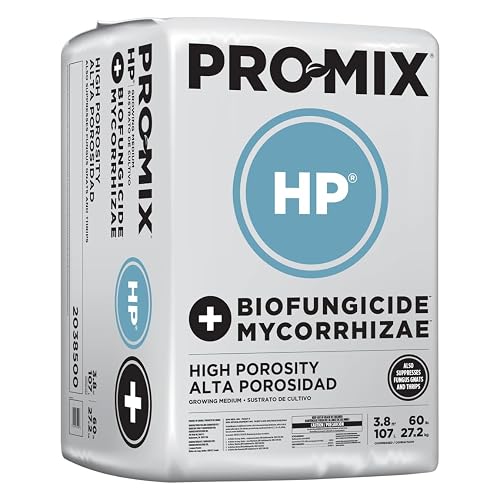
A lightweight container mix made for pots is designed to drain well and stay uniform from one fill to the next.
FAQ
Can I use garden soil in pots?
You can, but it is not recommended for most plants. Garden soil compacts in containers, drains poorly, and can limit root growth. Mixing it with perlite and compost improves the result, but potting mix is usually the simpler choice.
Can I use potting mix in my vegetable garden?
You can add it to beds to lighten the mix, but using it alone in large in-ground or raised beds is costly and dries out quickly. A blend with compost and topsoil performs better.
Does potting soil contain actual soil?
Most commercial potting mixes do not contain field soil. They rely on peat, coir, bark, and mineral aggregates. Some lower-cost mixes include compost or loam, so check the label.
Which holds water better, potting or garden soil?
Garden soil holds more water in total, but it drains slowly. Potting mix holds moisture near the surface and drains quickly, so it needs more frequent watering in containers.
Is potting mix sterile?
Most bagged potting mixes are sold in a relatively clean state, free of many weed seeds and pathogens. Garden soil may carry both, so it is worth inspecting or treating before use in containers.
Should I add fertilizer to potting mix?
Many potting mixes include a starter charge that lasts several weeks. For heavy feeders like tomatoes, plan on supplemental feeding through the season.
How often should I replace potting soil in containers?
Many gardeners refresh container mix every season or two, or top-dress with compost and replace the top few inches. Old mix loses structure and nutrients over time.
Conclusion
Potting mix is a lightweight, free-draining medium made for containers, while garden soil is a dense, mineral-rich earth suited to in-ground planting and large beds. Choose potting mix for pots and seed starting, and garden soil or a blend for beds. When in doubt, match the medium to the volume and drainage your plants need, and amend as the season progresses.
Ready to choose one?
About Ethan Brooks
Ethan Brooks is part of our editorial team and reviews and edits our vegetable & edible gardening guides, checking product details against manufacturer specifications and owner feedback.