 By Graham Fisher
Updated November 2026
Anyone planning a diy cedar raised garden bed project usually wants to know whether to build it from scratch or buy a ready-made box, and which dimensions will actually work for vegetables. This guide compares seven cedar raised beds, from full 4-by-8-foot kits to compact planters, so you can match a bed to your yard, your soil and your time. The picks were chosen by checking manufacturer specifications, wood thickness and depth, assembly approach, and the feedback patterns owners commonly report about durability, fit and ease of setup. We have not tested these beds ourselves; the notes below rely on listing details and general owner feedback.
Our top picks at a glance
- 1
 TOP CHOICEBest overallSelect Cedar Raised Garden Bed (4' x 8' x 17.5" H)View on Amazon
- 2
 TOP CHOICEBest for deep-rooted cropsPremium Cedar Raised Garden Bed – 4' x 8' x 16.5" H – 1" Thick WoodView on Amazon
- 3
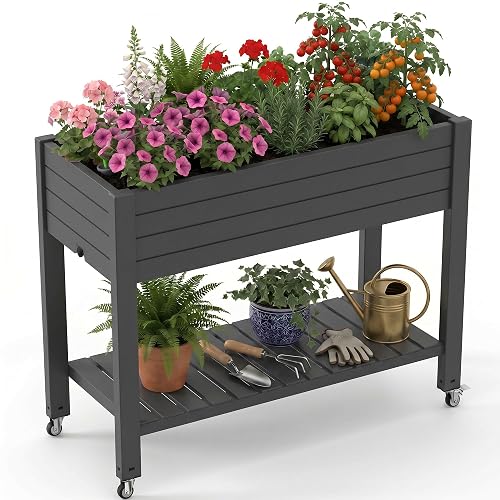
 TOP CHOICEBest for accessibilityCedar Raised Garden Bed with Legs, Outdoor Planter Box 48x24x30, 200lbView on Amazon
- 4
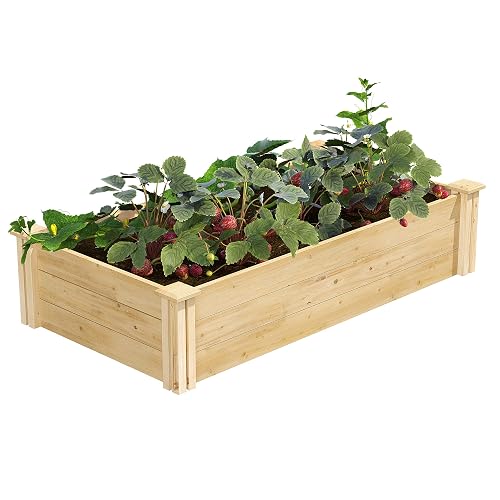 Best for small spacesClassic Cedar Raised Garden Bed, 2' x 4' x 10.5" (1/2" Thick) – Made iView on Amazon
- 5
 Best budget pickYaheetech Raised Garden Bed Wooden Planter Box for Vegetables/FlowersView on Amazon
- 6
 Best large-footprint optionAMERLIFE 8×4 Ft Wood Raised Garden Bed, Durable 15 Inch Depth Planter BoxView on Amazon
- 7
 Best for a first-time kit buildDeep Root Cedar Raised Bed Garden KitView on Amazon
Our Top Picks
Quick Comparison
| Product | Best for | Key feature |
|---|---|---|
| Select Cedar Raised Garden Bed (4′ x 8′ x 17.5″ H) | General vegetable growing | Full 4×8 footprint with generous depth |
| Cedar Raised Garden Bed with Legs, 48x24x30 | Easier access and reduced bending | Elevated legged design, 200 lb rated |
| Premium Cedar Raised Garden Bed (4′ x 8′ x 16.5″ H) | Deep-rooted crops | 1-inch thick cedar boards |
| Classic Cedar Raised Garden Bed, 2′ x 4′ x 10.5″ | Small spaces, patios, herbs | Made in USA with North American cedar |
| Yaheetech Raised Garden Bed Wooden Planter Box | Budget-conscious beginners | Simple assembly, fir wood construction |
| AMERLIFE 8×4 Ft Wood Raised Garden Bed | Large plantings and multiple crops | 15-inch depth with open base |
| Deep Root Cedar Raised Bed Garden Kit | First-time builders | Kit format with included hardware |
Select Cedar Raised Garden Bed (4′ x 8′ x 17.5″ H)
Select Cedar Raised Garden Bed (4' x 8' x 17.5" H)
Best for: General-purpose vegetable growing in a full-size bed
This is a good fit for gardeners who want a standard 4-by-8-foot footprint that accommodates a wide range of crops, from tomatoes and peppers to squash and greens. The 17.5-inch height gives roots room and reduces how often you need to bend.
Key specs
- Dimensions: 4 ft x 8 ft x 17.5 in height
- Material: cedar
Pros
- Standard size works with common bulk soil quantities
- Depth suits most root vegetables
- Cedar resists rot better than many untreated softwoods
Cons
- Requires a level, prepared site before setup
- Heavier to move once filled
Bottom line: A strong default choice for someone starting a standard vegetable plot who wants full depth and a common footprint.
Premium Cedar Raised Garden Bed – 4′ x 8′ x 16.5″ H – 1″ Thick Wood
Premium Cedar Raised Garden Bed – 4' x 8' x 16.5" H – 1" Thick Wood
Best for: Deep-rooted crops and long-term beds
Gardeners who plan to grow carrots, parsnips or perennial vegetables for several seasons often prefer thicker boards that hold their shape under soil pressure. The 1-inch cedar walls are the main draw here.
Key specs
- Dimensions: 4 ft x 8 ft x 16.5 in height
- Board thickness: 1 inch
- Material: cedar
Pros
- Thicker walls resist bowing when filled with wet soil
- Good stability for long-term use
- Consistent cedar grain and finish
Cons
- Heavier than thinner-wall options
- Slightly shallower than the 17.5-inch model
Bottom line: Best for gardeners who value wall strength and plan to keep the bed in one place for years.
Cedar Raised Garden Bed with Legs, Outdoor Planter Box 48x24x30, 200lb
Cedar Raised Garden Bed with Legs, Outdoor Planter Box 48x24x30, 200lb
Best for: Easier access and reduced bending
A legged design lifts the planting surface toward waist height, which can make weeding, harvesting and watering more comfortable for people with back or knee limitations. It also suits patios and decks where a ground-level bed is impractical.
Key specs
- Dimensions: 48 x 24 x 30 inches
- Weight rating: 200 lb
- Material: cedar with legs
Pros
- Reduces bending during planting and harvest
- Raised legs improve airflow underneath
- Works on hard surfaces
Cons
- Holds less soil volume than a ground-level 4×8 bed
- Soil dries out faster and needs more frequent watering
Bottom line: The right pick for accessibility needs or patio gardening where comfort outweighs maximum growing volume.
Classic Cedar Raised Garden Bed, 2′ x 4′ x 10.5″ (1/2″ Thick) – Made in USA with North American Cedar
Classic Cedar Raised Garden Bed, 2' x 4' x 10.5" (1/2" Thick) – Made in USA with North American Cedar
Best for: Small spaces, herbs and salad greens
This compact bed fits balconies, side yards and corners where a full-size bed would crowd the space. Its shallower depth suits herbs, lettuce, radishes and bush beans.
Key specs
- Dimensions: 2 ft x 4 ft x 10.5 in height
- Board thickness: 1/2 inch
- Material: North American cedar, made in USA
Pros
- Small footprint for tight spaces
- Domestically made cedar
- Easy to move if needed
Cons
- Thinner boards may need bracing over time
- Too shallow for large root crops
Bottom line: Ideal for herb and salad gardeners with limited room; not suited to tomatoes or deep roots.
Yaheetech Raised Garden Bed Wooden Planter Box for Vegetables/Flowers
Yaheetech Raised Garden Bed Wooden Planter Box for Vegetables/Flowers, Wood | Fir wood raised bed offers easy assembly, and a practical space for growing vegetables, herbs, and garden plants.
Best for: Budget-conscious beginners
Owners often describe this fir-wood planter as straightforward to assemble, which appeals to people testing whether raised beds suit their yard before committing to cedar. It is a fir wood option rather than cedar, so expect a shorter outdoor lifespan.
Key specs
- Material: fir wood
- Intended use: vegetables and flowers
Pros
- Simple assembly
- Practical size for a starter garden
- Good entry point for beginners
Cons
- Fir wood breaks down faster than cedar outdoors
- Not a true cedar bed
Bottom line: A sensible pick for a trial bed, but plan on replacing boards sooner than with cedar.
AMERLIFE 8×4 Ft Wood Raised Garden Bed, Durable 15 Inch Depth Planter Box
AMERLIFE 8×4 Ft Wood Raised Garden Bed, Durable 15 Inch Depth Planter Box for Vegetables, Herbs, and Flowers, Ideal for Outdoor Gardening with Open Base
Best for: Large plantings and multiple crops
An 8-by-4-foot bed with 15 inches of depth gives room for a mixed planting of tomatoes, beans and root vegetables. The open base lets roots reach native soil, which many gardeners prefer.
Key specs
- Dimensions: 8 ft x 4 ft, 15 in depth
- Open base design
Pros
- Generous growing area
- Open base allows root access to ground soil
- Suits a variety of crops
Cons
- Heavy when filled, so placement matters
- Wood species and finish should be confirmed before buying
Bottom line: A good choice for gardeners who want a large planting area in one bed.
Deep Root Cedar Raised Bed Garden Kit
Deep Root Cedar Raised Bed Garden Kit
Best for: First-time kit builders
A kit format removes the guesswork of cutting boards and sourcing fasteners. It suits someone who wants a cedar bed without a full woodworking project.
Key specs
- Format: cedar raised bed kit
- Includes assembly hardware
Pros
- Pre-cut components speed up assembly
- Cedar construction
- Good for beginners
Cons
- Dimensions and depth should be checked against your plans
- Less customization than a custom build
Bottom line: A practical starting point for people who want cedar and a guided assembly.
Buying Guide
Size and footprint
A 4-by-8-foot bed is the most common vegetable layout because you can reach the center from either side, usually within about 2 to 2.5 feet. Smaller beds, such as 2-by-4-foot boxes, work well for herbs and greens but limit tomato and squash plantings. Measure your site first and leave at least 2 feet of walking space around each bed.
Good picks for this: Select Cedar Raised Garden Bed, AMERLIFE 8×4 Ft Wood Raised Garden Bed
Depth
Most vegetables need 12 inches of soil or more. Root crops like carrots and parsnips do best at 12 to 18 inches. Beds 10 inches deep can work for lettuce and herbs but dry out faster. For a deeper discussion, see Raised Garden Soil Depth: How Deep Your Vegetable Beds Should Be.
Good picks for this: Select Cedar Raised Garden Bed, Premium Cedar Raised Garden Bed
Wood thickness and construction
Boards around 1 inch thick hold up better under the outward pressure of wet soil than 1/2-inch boards. Thin walls may bow after a few seasons, especially on longer 8-foot sides. Look for corner joinery and bracing details in the specifications.
Good picks for this: Premium Cedar Raised Garden Bed, Classic Cedar Raised Garden Bed
Wood species and durability
Cedar is valued for natural resistance to decay and insects, which is why it is a popular choice for outdoor beds. Fir and other softwoods cost less but generally need replacing sooner. Confirm the species in the listing before you buy.
Good picks for this: Select Cedar Raised Garden Bed, Yaheetech Raised Garden Bed Wooden Planter Box
Height and accessibility
Beds around 24 to 30 inches tall reduce bending and suit wheelchair users or gardeners with joint pain. Taller legged designs dry out faster, so plan for more frequent watering. For more on accessible layouts, read Raised Garden Bed for Elderly: A Step-by-Step Guide to Easy Access.
Good picks for this: Cedar Raised Garden Bed with Legs, Deep Root Cedar Raised Bed Garden Kit
Assembly and set-up
Kits save time on cutting and fastening, while custom builds let you adjust dimensions. Either way, level the ground, add weed barrier if needed, and check that corners are square before filling. Plan your soil quantities in advance using Raised Garden Soil Calculator: How Much Soil Your Beds Need.
Good picks for this: Deep Root Cedar Raised Bed Garden Kit, Yaheetech Raised Garden Bed Wooden Planter Box
Use case and placement
Choose a site with at least 6 to 8 hours of direct sun for fruiting vegetables. Patios and decks need legged or lightweight designs because a filled bed is very heavy. Consider water access and the distance from your house.
Good picks for this: Classic Cedar Raised Garden Bed, Cedar Raised Garden Bed with Legs
FAQ
How deep should a cedar raised garden bed be?
Most vegetables grow well in 12 inches of soil. Root crops benefit from 12 to 18 inches, and beds at least 10 inches deep can still support lettuce and herbs.
Is cedar better than pressure-treated lumber for vegetable beds?
Cedar is a common choice because it resists rot naturally. Many gardeners avoid pressure-treated wood for edible beds. Check current guidance from your local extension office before choosing treated lumber.
How long does a cedar raised bed last?
Lifespan depends on board thickness, climate and soil moisture. Owners often report several years of use from 1-inch boards, with thinner boards needing earlier repair.
Do I need a bottom on a raised bed?
Open-bottom beds let roots reach native soil and drain freely. Closed bottoms can help against pests like gophers but limit drainage. Choose based on your local pest and soil conditions.
What size is best for beginners?
A 4-by-8-foot bed is a practical starting size because it is easy to reach across and fits common soil quantities. Smaller 2-by-4-foot beds work well for herbs.
How much soil do I need to fill a cedar bed?
Multiply length, width and depth in feet, then divide by 27 to get cubic yards. A 4x8x1-foot bed needs about 1.2 cubic yards.
Conclusion
For most vegetable gardeners, the Select Cedar Raised Garden Bed offers a balanced standard size, while the Premium model suits those who want thicker walls for long-term use. Choose the legged design for accessibility, the compact 2-by-4 for herbs, and kits or budget options if you are newer to building. Match the bed to your site, crops and soil plans, and check dimensions against your layout before ordering.
Sources
- Research-based guidance on raised bed construction, soil depth and vegetable growing (extension.org)
- Information on treated wood, soil contamination and safe gardening practices (epa.gov)
- Plant hardiness, growing season and soil resource information (usda.gov)
Related reading
- Best Raised Garden Beds: 5 Metal and Cedar Beds Compared
- DIY Raised Bed Garden Design: A Step-by-Step Guide for Vegetables
- Cedar Raised Garden Bed Design: 6 Steps for Durable Vegetable Beds
- Cedar Raised Bed Garden Boxes: A Step-by-Step Guide for Vegetables
- 7 Best Western Red Cedar Raised Garden Bed Options for Vegetables (2026)
- 6 Best Cedar Wood Raised Garden Bed Options for Vegetables (2026)
- 5 Best Cedar Raised Bed Garden Kits for Vegetables (2026)
About Graham Fisher
Graham Fisher is part of our editorial team and reviews and edits our vegetable & edible gardening guides, checking product details against manufacturer specifications and owner feedback.