 By Ethan Brooks
Updated November 2026
Choosing garden soil for vegetable plants comes down to three things: how well the mix drains, how much nutrition it holds for heavy-feeding crops like tomatoes and squash, and whether it stays loose enough for roots to spread through a season. This guide compares six bagged options we selected by reviewing manufacturer specifications, brand track record, and the patterns gardeners commonly describe in owner feedback. Our criteria were ingredient transparency, suitability for vegetables specifically, organic certification where it applies, packaging size relative to typical bed volumes, and whether each product is designed for in-ground beds, raised beds, or containers. We did not test these products ourselves; the comparisons below reflect published specifications and general reputation.
Our top picks at a glance
- 1
 TOP CHOICEBest overallPlant Soil For Outdoor Container Plants, Contains Quick-Release NaturaView on Amazon
- 2
 TOP CHOICEBest for coir-based startsBack to The Roots Organic Coir, 51 Quart Expanding Soil, Great for Seeds and PottingView on Amazon
- 3
 TOP CHOICEBest for long-season feedingFor Container Plants, Flowers, Vegetables, Shrubs, Annuals, PerennialsView on Amazon
- 4
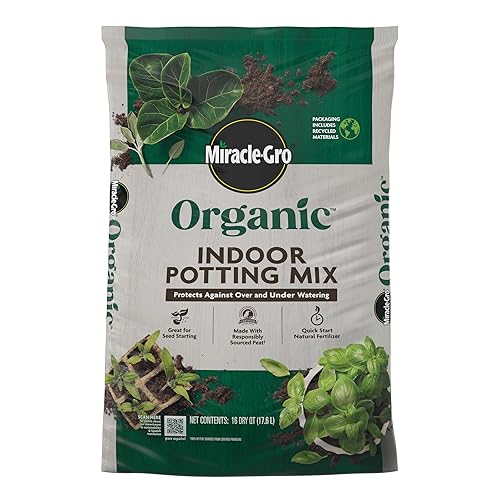 Best for indoor and seedling useProtects Against Over & Under Watering, Planting Soil For Indoor ContaView on Amazon
- 5
 Best budget pickBurpee Premium Organic Potting Mix Garden Soil with Coconut Coir for IView on Amazon
- 6
 Best for raised bedsFoxFarm Raised Bed Planting Mix, 1.5cu ft – All-Purpose Garden Soil wiView on Amazon
Quick note before you buy: a bag of potting mix and a bag labeled as garden soil are not the same thing. Potting mixes are usually lighter and better for containers, while in-ground or raised-bed blends tend to be denser and more earthy. Check the label for the intended use.
Our Top Picks
Quick Comparison
| Product | Best for | Key feature |
|---|---|---|
| Plant Soil For Outdoor Container Plants, Miracle-Gro Organic Outdoor Potting Mix, 16 qt. | Outdoor containers and small planters | OMRI listed, quick-release natural fertilizer |
| Back to The Roots Organic Coir Expanding Soil, 51 Quart | Seed starting and bulk filling | Compressed coir that expands with water |
| Miracle-Gro Potting Mix, 16 qt. (2-Pack) | Vegetables in containers over a full season | Feeds up to 6 months |
| Miracle-Gro Organic Indoor Potting Mix, 16 qt. | Indoor and starter plants | Designed to guard against over- and under-watering |
| Burpee Premium Organic Potting Mix Garden Soil, 9 Quarts | Budget-conscious vegetable and herb growers | Coconut coir base, OMRI listed |
| FoxFarm Raised Bed Planting Mix, 1.5 cu ft | Raised beds and dense vegetable plantings | Earthworm castings and oyster shell added |
Plant Soil For Outdoor Container Plants, Contains Quick-Release Natural Fertilizer, OMRI Listed Miracle-Gro Organic Outdoor Potting Mix, 16 qt.
Plant Soil For Outdoor Container Plants, Contains Quick-Release Natural Fertilizer, OMRI Listed Miracle-Gro Organic Outdoor Potting Mix, 16 qt.
Best for: Outdoor containers and small planters
This suits gardeners filling pots, grow bags, or small raised containers on a patio or balcony who want an organic option with fertilizer already mixed in.
Key specs:
- Volume: 16 quarts
- OMRI listed for organic use
- Contains quick-release natural fertilizer
Pros:
- Organic listing makes it a fit for certified-organic growing approaches
- Fertilizer included, so no separate feed is needed at planting
- Lightweight enough to handle in containers
Cons:
- Quick-release fertilizer can be used up faster than slow-release alternatives
- Volume is modest for filling a full in-ground or large raised bed
Bottom line: A strong first choice for container vegetables and herbs on a patio. Pick a larger bagged mix for raised beds.
Back to The Roots Organic Coir, 51 Quart Expanding Soil, Great for Seeds and Potting
Back to The Roots Organic Coir, 51 Quart Expanding Soil, Great for Seeds and Potting
Best for: Seed starting and bulk filling
This works for gardeners who want to start seeds or fill a large volume cheaply in terms of compressed material, then add their own compost and amendments.
Key specs:
- Volume: 51 quarts when expanded
- Made from coconut coir
- Expands with water from a compressed block
Pros:
- Compressed format is easy to store and transport
- Coir holds moisture well for seedlings
- Good base for mixing your own vegetable blend
Cons:
- Coir has little built-in fertility, so it needs amendments for heavy feeders
- Requires hydrating and fluffing before use
Bottom line: Best for seed starting or as a base you amend yourself. Less suited to a ready-to-plant bed on its own.
For Container Plants, Flowers, Vegetables, Shrubs, Annuals, Perennials, Potting Soil Mix, Feeds up to 6 Months Miracle-Gro Potting Mix, 16 qt. (2-Pack)
For Container Plants, Flowers, Vegetables, Shrubs, Annuals, Perennials, Potting Soil Mix, Feeds up to 6 Months Miracle-Gro Potting Mix, 16 qt. (2-Pack)
Best for: Vegetables in containers over a full season
This fits gardeners growing tomatoes, peppers, and zucchini in containers who want fertilizer included for the whole growing period without frequent feeding.
Key specs:
- Two-pack, 16 quarts each
- Labeled to feed up to 6 months
- General-purpose potting mix for vegetables, flowers, and shrubs
Pros:
- Two bags cover a moderate number of containers
- Long feeding window reduces mid-season fertilizing
- Widely available and easy to find for restocking
Cons:
- Not certified organic, so it may not suit organic-only growers
- Can compact in containers over time, so top up annually
Bottom line: A practical choice for multi-season container vegetables where convenience matters more than organic certification.
Protects Against Over & Under Watering, Planting Soil For Indoor Container Plants, Houseplants & Starter Plants, OMRI Listed Miracle-Gro Organic Indoor Potting Mix, 16 qt.
Protects Against Over & Under Watering, Planting Soil For Indoor Container Plants, Houseplants & Starter Plants, OMRI Listed Miracle-Gro Organic Indoor Potting Mix, 16 qt.
Best for: Indoor and starter plants
This suits gardeners starting seedlings or growing herbs and small vegetables indoors on a windowsill or under lights.
Key specs:
- Volume: 16 quarts
- OMRI listed for organic use
- Formulated for indoor container conditions
Pros:
- Organic listing suits indoor herb and seedling growers
- Designed to buffer watering swings, which helps new roots
- Light texture is easy to work with in small pots
Cons:
- Indoor formulation is not intended for outdoor in-ground beds
- Lighter mixes can dry faster in hot, sunny outdoor spots
Bottom line: The right pick for seedlings and indoor herbs. Switch to an outdoor blend once plants move outside.
Burpee Premium Organic Potting Mix Garden Soil with Coconut Coir for Indoor Plants & Outdoor Containers, OMRI Listed, Ideal for Vegetables, Flowers, Herbs (9 Quarts, 0.12-0.12-0.12)
Burpee Premium Organic Potting Mix Garden Soil with Coconut Coir for Indoor Plants & Outdoor Containers, OMRI Listed, Ideal for Vegetables, Flowers, Herbs (9 Quarts, 0.12-0.12-0.12)
Best for: Budget-conscious vegetable and herb growers
This works for gardeners who want an OMRI-listed organic mix for a few pots or a small raised planter without buying a large volume.
Key specs:
- Volume: 9 quarts
- OMRI listed for organic use
- Coconut coir base; listed nutrient analysis 0.12-0.12-0.12
Pros:
- Smaller bag makes it easy to try before committing to larger volume
- Organic listing and coir base suit vegetables and herbs
- Useful for topping off containers mid-season
Cons:
- Low listed nutrient analysis means heavy feeders need supplemental fertilizer
- Small volume is inefficient for filling a full raised bed
Bottom line: A sensible starting point for small herb and vegetable containers. Plan on feeding tomatoes and other heavy feeders.
FoxFarm Raised Bed Planting Mix, 1.5cu ft – All-Purpose Garden Soil with Earthworm Castings & Oyster Shell – Ready-to-Use Blend for Vegetables, Flowers, Fruits & Herbs
FoxFarm Raised Bed Planting Mix, 1.5cu ft – All-Purpose Garden Soil with Earthworm Castings & Oyster Shell – Ready-to-Use Blend for Vegetables, Flowers, Fruits & Herbs
Best for: Raised beds and dense vegetable plantings
This fits gardeners filling a raised bed from scratch who want a ready-to-plant blend rather than mixing their own from separate components.
Key specs:
- Volume: 1.5 cubic feet
- Contains earthworm castings and oyster shell
- Labeled for vegetables, flowers, fruits, and herbs
Pros:
- Ready to plant without a separate amendment step
- Earthworm castings add organic matter and biological activity
- Oyster shell adds calcium, which supports healthy growth in many vegetables
Cons:
- Cubic-foot volume may need several bags for a larger bed
- Premium-priced relative to basic bagged soil
Bottom line: The most purpose-built option here for raised beds. Worth the extra cost if you want a ready-to-plant blend for a dense planting.
Buying Guide
Texture and drainage
Good vegetable soil should feel crumbly and drain within a few minutes after watering, without pooling on the surface. Heavy clay compacts and starves roots of oxygen, while very sandy mixes dry out fast. Look for blends that list perlite, coir, or bark fines alongside compost.
Good picks for this: FoxFarm Raised Bed Planting Mix, Back to The Roots Organic Coir
Organic certification
If you grow to organic standards, check for an OMRI listing on the bag. OMRI is a recognized third-party review organization for inputs used in organic production. Non-listed products may still be fine for general use but will not meet organic criteria.
Good picks for this: Plant Soil For Outdoor Container Plants, Burpee Premium Organic Potting Mix Garden Soil
Nutrient content and feeding window
Many bagged mixes include starter fertilizer, but the amount and release speed vary. Heavy feeders such as tomatoes, squash, and corn need more nitrogen and potassium through the season. Check whether the label mentions a feeding duration or a listed nutrient analysis.
Good picks for this: Miracle-Gro Potting Mix (2-Pack), Burpee Premium Organic Potting Mix Garden Soil
Container vs. bed versus indoor use
Mixes are formulated for specific settings. Outdoor containers need a blend that handles frequent watering and some compaction. Raised beds can use denser garden-style blends. Indoor mixes are lighter and designed for controlled conditions, so they are rarely the right choice for an outdoor bed.
Good picks for this: Miracle-Gro Organic Indoor Potting Mix, FoxFarm Raised Bed Planting Mix
Volume and bed fit
Calculate your bed volume before buying. A bed that is 4 feet by 8 feet and 12 inches deep holds about 32 cubic feet, which is far more than any single bag listed here. For larger beds, a bulk blend or a combination of compost and topsoil may be more practical than many small bags.
Good picks for this: Miracle-Gro Potting Mix (2-Pack), FoxFarm Raised Bed Planting Mix
Compaction and reuse
Potting mixes break down and compact after one or two seasons. Plan to refresh containers annually by replacing the top few inches with new mix and adding compost. Coir-based products hold up well when rehydrated and amended.
Good picks for this: Back to The Roots Organic Coir, Miracle-Gro Potting Mix (2-Pack)
Starter and seedling needs
Seeds and young transplants do best in lighter, less fertilized mixes that stay evenly moist. Heavy garden soil can smother small roots and hold too much water around seed.
Good picks for this: Miracle-Gro Organic Indoor Potting Mix, Back to The Roots Organic Coir
FAQ
Can I use regular topsoil for vegetables?
Topsoil can work as one component, but used alone it often compacts and drains poorly in beds and containers. Most vegetable gardeners blend topsoil with compost and a drainage material such as perlite or coarse sand. See our comparison of Garden Soil vs Topsoil (2026): Which Is Better for Your Vegetable Beds? for more detail.
How deep should soil be for vegetables?
Most vegetables do well in at least 12 inches of loose soil. Root crops like carrots and parsnips benefit from 12 to 18 inches, while leafy greens and herbs can grow in 8 to 10 inches.
Do I need to add fertilizer to bagged garden soil?
It depends on the product. Some bagged mixes include starter fertilizer, while others are unfertilized. Check the label, and plan to feed heavy feeders like tomatoes during the season regardless.
Is organic garden soil worth the difference?
For gardeners following organic practices, yes, because an OMRI listing confirms the product meets organic input standards. For conventional growers, a well-balanced non-organic mix can perform equally well. Choose based on your growing approach and whether you plan to eat the produce.
How often should I replace soil in a raised bed?
Many gardeners top-dress annually with compost and replace the top several inches every two to three years. Full replacement is rarely needed if you rotate crops and keep organic matter up.
Can I mix my own vegetable garden soil?
Yes. A common ratio for raised beds is roughly equal parts topsoil, compost, and a drainage amendment such as perlite or coarse sand. Our step-by-step guide, Raised Garden Bed Soil Mixture: A Step-by-Step Recipe for Healthy Vegetables, walks through the process.
What pH should vegetable soil be?
Most vegetables grow best in slightly acidic to neutral soil, roughly pH 6.0 to 7.0. A simple test kit or a lab test through your local extension office will tell you where your soil stands.
Conclusion
For most vegetable gardeners, the right garden soil depends on where and how you grow. FoxFarm Raised Bed Planting Mix is the most purpose-built choice for raised beds. Miracle-Gro Potting Mix suits long-season container vegetables, and Miracle-Gro Organic Outdoor Potting Mix suits organic growers with smaller planters. Burpee Premium Organic Potting Mix works well for budget-minded herb and vegetable containers, while Miracle-Gro Organic Indoor Potting Mix and Back to The Roots Organic Coir are better suited to seed starting and indoor use. Match the mix to your setting, check for organic certification if that matters to you, and plan to feed heavy crops through the season.
Sources
- Research-based guidance on soil structure, testing, and vegetable production from land-grant university extension programs (extension.org)
- Soil health and organic production standards, including information on organic inputs (usda.gov)
- Guidance on composting and organic matter use in home gardens (epa.gov)
Related reading
- Top 7 Soils for Raised Vegetable Garden Beds: Compared for 2026
- Top 7 Organic Raised Bed Garden Soil Picks for Healthy Vegetables
- Top 5 Raised Garden Soil Mix Picks for Vegetable Beds in 2026
- Sta-Green Flower & Vegetable Garden Soil: 7 Best Picks for 2026
About Ethan Brooks
Ethan Brooks is part of our editorial team and reviews and edits our vegetable & edible gardening guides, checking product details against manufacturer specifications and owner feedback.


