By Ethan Brooks
Updated November 2026
Learning herb garden how to grow basics is easier with a good reference on your shelf, especially when you are deciding which herbs to plant, what containers to use, how to harvest without stunting the plant, and how to keep culinary and medicinal varieties healthy through the season. The books below were selected by comparing their stated scope, the author’s background, how well the table of contents covers beginner needs, and the patterns owners tend to mention in feedback, such as clear illustrations, practical container advice, and realistic guidance for small spaces. None of these were tested by us; the picks reflect what each book sets out to teach.
Our top picks at a glance
- 1
 TOP CHOICEBest overallHomegrown HerbsView on Amazon
- 2
 TOP CHOICEBest for medicinal herb beginnersHow to Grow Medicinal HerbsView on Amazon
- 3
 TOP CHOICEBest for container growersGROWING HERBS: Low-Cost Indoor and Outdoor HerbsView on Amazon
- 4
 Best for absolute beginnersSprouting Wisdom: Herb Gardening Made SimpleView on Amazon
- 5
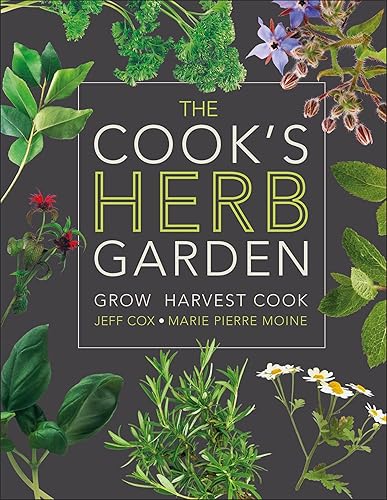 Best for cooksThe Cook's Herb GardenView on Amazon
- 6
 Best for self-sufficiencyComplete Guide to Growing and Cultivating Herbs & SpicesView on Amazon
- 7
 Best for herbal remediesRosemary Gladstar's Medicinal Herbs: A Beginner's GuideView on Amazon
Our Top Picks
| Product | Best for | Key feature |
|---|---|---|
| Homegrown Herbs | Broad herb reference | Covers more than 100 herbs |
| How to Grow Medicinal Herbs | Medicinal herb beginners | Illustrated growing and harvesting steps |
| GROWING HERBS | Container and indoor growers | Focus on low-cost containers and simple recipes |
| Sprouting Wisdom: Herb Gardening Made Simple | Absolute beginners | Covers growing, harvesting, preserving and cooking |
| The Cook’s Herb Garden | Kitchen gardeners | Pairs growing with harvesting and cooking |
| Complete Guide to Growing and Cultivating Herbs & Spices | Homesteaders | Indoor and outdoor planting plus storage |
| Rosemary Gladstar’s Medicinal Herbs | Herbal remedy learners | Profiles of 33 healing herbs |
Homegrown Herbs
Homegrown Herbs: A Complete Guide to Growing, Using, and Enjoying More than 100 Herbs
Best for: A single, comprehensive reference for herb garden how to grow questions across many species
This suits gardeners who want one book covering a wide range of herbs, from common kitchen staples to less familiar varieties. It is a good choice if you plan to expand your plot over several seasons.
Key specs
- Covers more than 100 herbs, as stated in the listing title
- Focus on growing, using and enjoying herbs
Pros
- Broad coverage makes it useful as a long-term reference
- Organized around practical use, not just planting
- Works well alongside a seasonal planting calendar
Cons
- Its breadth means some entries are brief
- Less focused on container-only setups
Bottom line: The best starting point for most readers who want one book for the whole herb garden.
How to Grow Medicinal Herbs
How to Grow Medicinal Herbs: An Illustrated Beginner's Guide to Growing, Harvesting, and Making Herbal Remedies at Home
Best for: Beginners interested in medicinal herbs who want step-by-step growing and harvesting guidance
Readers who grow herbs for teas, salves or home remedies will find the growing and harvesting sections most useful. Because medicinal herbs have specific harvest timing, this book is a sensible pick for that focus.
Key specs
- Illustrated beginner’s guide, per the listing title
- Covers growing, harvesting and making remedies at home
Pros
- Illustrations help with identification
- Covers harvesting, not just planting
- Clear focus for beginners
Cons
- Narrower scope than a general herb guide
- Remedy content calls for caution and professional advice before use
Bottom line: Pick this if your main goal is growing herbs for home remedies. Consult a qualified herbalist or healthcare professional before using any herb medicinally.
GROWING HERBS: Low-Cost Indoor and Outdoor Herbs
GROWING HERBS: How to Grow Low cost Indoor and Outdoor Herbs in containers, for Profit or for health benefits at home, Simple Basic Recipes ( How to grow herbs, growing herbs for beginners )
Best for: Container and indoor growers looking for low-cost setups and simple recipes
This book is aimed at people with limited space, such as balconies, patios and sunny windowsills. Its title emphasizes container growing and budget-friendly approaches.
Key specs
- Covers indoor and outdoor herb growing in containers
- Includes simple basic recipes, per the listing title
Pros
- Strong container and indoor focus
- Emphasis on low-cost approaches
- Includes recipes for putting harvests to use
Cons
- Less depth on soil science and larger in-ground beds
- Some readers find the writing style basic
Bottom line: A practical choice for apartment and patio gardeners who mainly need container guidance.
Sprouting Wisdom: Herb Gardening Made Simple
Sprouting Wisdom: Herb Gardening Made Simple: How to Grow, Harvest, Preserve, & Cook with Herbs
Best for: Absolute beginners who want a plain-language walkthrough from planting to the kitchen
If you have never grown herbs before, this title walks through the full cycle: growing, harvesting, preserving and cooking. It suits readers who want a straightforward starting point.
Key specs
- Covers growing, harvesting, preserving and cooking, per the listing title
- Written for simple, beginner-level herb gardening
Pros
- Covers the whole cycle, including preservation
- Accessible writing for first-timers
- Good match for kitchen-focused goals
Cons
- Less depth for experienced growers
- Fewer specialized details on less common herbs
Bottom line: A good first book if you want a simple, complete introduction to herb gardening.
The Cook’s Herb Garden
The Cook's Herb Garden: Grow, Harvest, Cook
Best for: Home cooks who want to grow the herbs they use most
This book connects growing with cooking, making it a fit for gardeners who want their harvests to feed their meals directly. It is especially useful for culinary herbs like basil, thyme and parsley.
Key specs
- Covers growing, harvesting and cooking, per the listing title
- Culinary focus throughout
Pros
- Strong link between garden and kitchen
- Useful harvesting guidance for culinary herbs
- Accessible to beginners
Cons
- Limited coverage of medicinal herbs
- Less focus on indoor and container systems
Bottom line: Ideal for cooks who grow mostly for the pantry and want growing advice tied to recipes.
Complete Guide to Growing and Cultivating Herbs & Spices
Complete Guide to Growing and Cultivating Herbs & Spices: Expert Advice for Planting Indoors and Outdoors, the Best Containers, and Storage (IMM Lifestyle Books) For Homesteading and Self-Sufficiency
Best for: Readers planning a larger herb and spice plot with storage in mind
This guide covers both indoor and outdoor planting along with storage, which makes it useful for homesteaders thinking about the full harvest cycle. It fits readers who want to scale up beyond a few pots.
Key specs
- Covers indoor and outdoor planting, per the listing title
- Includes guidance on containers and storage
Pros
- Covers herbs and spices together
- Useful for storage and self-sufficiency planning
- Addresses both indoor and outdoor growing
Cons
- Breadth can mean less depth per plant
- May be more than a casual beginner needs
Bottom line: A strong pick for homesteaders and anyone growing herbs and spices at larger scale.
Rosemary Gladstar’s Medicinal Herbs: A Beginner’s Guide
Rosemary Gladstar's Medicinal Herbs: A Beginner's Guide: 33 Healing Herbs to Know, Grow, and Use
Best for: Beginners who want to grow and use a curated set of healing herbs
The book profiles 33 healing herbs, so it is a good fit for readers who want a focused list rather than an encyclopedia. It suits people building a small medicinal herb bed.
Key specs
- Profiles 33 healing herbs, per the listing title
- Covers how to know, grow and use each herb
Pros
- Curated list keeps the scope manageable
- Covers growing and use together
- Beginner-friendly organization
Cons
- Not a general culinary herb guide
- Remedy uses require caution and professional guidance
Bottom line: Best for beginners building a focused medicinal herb bed. Always check with a qualified professional before using herbs as remedies.
Buying Guide
Match the Book to Your Herb Goals
Decide whether you are growing culinary herbs, medicinal herbs, or both. Culinary-focused books emphasize harvesting and cooking, while medicinal titles spend more time on identification and preparation.
Good picks for this: The Cook’s Herb Garden, How to Grow Medicinal Herbs
Check the Scope and Number of Herbs
A book covering 100 herbs gives you reference breadth, while a curated list of 33 gives you depth on fewer species. Think about how many herbs you realistically plan to grow in your first two seasons.
Good picks for this: Homegrown Herbs, Rosemary Gladstar’s Medicinal Herbs
Consider Your Growing Space
Balcony and windowsill growers benefit from container-specific advice, including pot size, drainage and light needs. Ground-bed gardeners need guidance on soil preparation and spacing.
Good picks for this: GROWING HERBS, Complete Guide to Growing and Cultivating Herbs & Spices
Look for Beginner-Friendly Structure
Illustrations, step-by-step sections and a clear table of contents make a big difference when you are learning. Skim a sample chapter before buying if you can.
Good picks for this: Sprouting Wisdom: Herb Gardening Made Simple, How to Grow Medicinal Herbs
Evaluate Harvest and Preservation Coverage
Most herbs produce more than you can use fresh. Books that cover drying, freezing and storage help you plan a workable harvest routine.
Good picks for this: Sprouting Wisdom: Herb Gardening Made Simple, Complete Guide to Growing and Cultivating Herbs & Spices
Think About Long-Term Use
A reference you return to season after season is worth more than one you read once. Look for practical planting calendars and detailed per-herb entries.
Good picks for this: Homegrown Herbs, The Cook’s Herb Garden
Watch for Remedy and Safety Content
Books that discuss herbal remedies should be read with care. Verify preparation methods and potential interactions with a qualified healthcare professional before using any herb medicinally.
Good picks for this: How to Grow Medicinal Herbs, Rosemary Gladstar’s Medicinal Herbs
FAQ
What is the easiest herb to start with?
Basil, chives, parsley and mint are commonly recommended for beginners because they tolerate a range of conditions. Mint should be grown in its own container, since it spreads aggressively.
How much sun do herbs need?
Most culinary herbs need at least six hours of direct sun per day. Leafy herbs such as parsley and mint tolerate some shade, while Mediterranean herbs like rosemary and thyme prefer full sun.
Should I grow herbs in containers or in the ground?
Containers give you control over soil and drainage and suit small spaces. In-ground planting works well for perennials like oregano and sage if your soil drains well. Choose pots at least 8 to 12 inches deep for most herbs.
How often should I water herbs?
Water when the top inch of soil feels dry. Overwatering is one of the most common causes of root rot, so let containers drain fully after watering.
When should I harvest herbs?
Harvest before flowering for the best flavor in most leafy herbs. Pinch stems just above a leaf node and never remove more than about one-third of the plant at once.
Can I grow herbs indoors year-round?
Yes, with a bright south- or west-facing window or a grow light. Basil and parsley are common indoor choices, though many herbs need supplemental light during winter.
Conclusion
For most readers asking how to grow a herb garden, Homegrown Herbs offers the broadest reference, while Sprouting Wisdom suits absolute beginners. Container gardeners should consider GROWING HERBS, and cooks will get the most from The Cook’s Herb Garden. Medicinal herb growers should pair How to Grow Medicinal Herbs or Rosemary Gladstar’s Medicinal Herbs with professional guidance before using any plant as a remedy. Whichever book you choose, start with a few easy herbs and expand as you learn.
For more on the soil and containers that support these plants, see Potting Soil for Herb Garden: How to Choose and Mix It Right (2026) and How to Start a Container Garden: Pots, Mix and Care. If you are planning a bed rather than pots, How to Start a Garden: Site, Soil and First Plantings covers site selection. For companion ideas, Printable Herb Companion Planting Chart: How to Build and Use One (2026) is a practical reference, and How to Test Garden Soil: A Step-by-Step Guide for Better Yields explains how to check your soil before planting.
Sources
- Research-based growing guides from land-grant university extension services, including herb and container gardening (extension.org)
- Information on herb plants, food safety and plant health from the U.S. Department of Agriculture (usda.gov)
- Background on medicinal plant safety and the evidence base for herbal use (nih.gov)
Before you buy: helpful guides
About Ethan Brooks
Ethan Brooks is part of our editorial team and reviews and edits our vegetable & edible gardening guides, checking product details against manufacturer specifications and owner feedback.