 By Emily Parker
Updated November 2026
Organic vegetable garden pest control means choosing sprays and treatments that work without synthetic chemical pesticides, so you can keep tomatoes, beans, brassicas and leafy greens productive while staying in line with organic gardening practices. The right product depends on what is actually attacking your plants. A caterpillar problem on cabbage calls for a different tool than powdery mildew on squash or spider mites on tomatoes. The picks below were chosen on the basis of product specifications, brand reputation and the patterns owners tend to report, and they cover the most common pest and disease problems in home vegetable plots.
Our Top Picks
Quick Comparison
| Product | Best for | Key feature |
|---|---|---|
| Trifecta Crop Control Ready to Use Maximum Strength Natural Pesticide | Broad-spectrum control of mites, mildew and mold | Ready-to-use multi-target spray |
| Bonide Captain Jack’s Bacillus Thuringiensis BT | Caterpillars and worms on brassicas and tomatoes | Bt-based biological insecticide |
| Earth’s Ally 3-in-1 Plant Spray for Pests & Disease | Gardeners wanting one spray for several problems | Three-in-one pest and disease formula |
| Safer Brand Caterpillar Killer II Concentrate Spray | Heavy caterpillar and cabbage looper pressure | Concentrate for mixing into larger batches |
| Hi-Yield Wettable Sulfur 90% | Powdery mildew, rust and mites | Usable as dust or spray |
| Natria Neem Oil Spray for Gardening | Mixed soft-bodied pests and early disease control | Ready-to-use neem oil formula |
Trifecta Crop Control Ready to Use Maximum Strength Natural Pesticide, Fungicide, Miticide, Insecticide
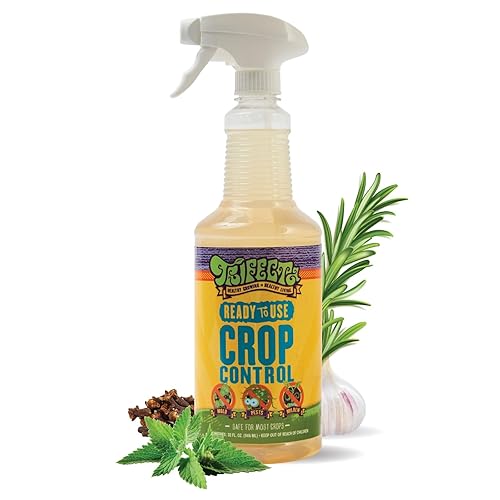
Trifecta Crop Control Ready to Use Maximum Strength Natural Pesticide, Fungicide, Miticide, Insecticide, Help Defeat Spider Mites, Powdery Mildew, Botrytis and Mold on Plants 32 OZ Size
Best for: Broad-spectrum control of spider mites, powdery mildew, botrytis and mold
This suits gardeners who are dealing with several problems at once, such as mites on tomatoes and mildew on squash, and want a single spray rather than separate products for each.
Key specs
- Ready-to-use format
- 32 oz bottle
- Labeled as a natural pesticide, fungicide, miticide and insecticide
Pros
- Covers both insect and fungal problems
- No mixing required
- Useful when pest identity is uncertain
Cons
- Broad coverage means it can also affect beneficial insects if sprayed carelessly
- Owners often report needing repeat applications in humid weather
Bottom line: A good choice for gardeners with mixed mite and mildew problems who want one ready-to-use bottle. Always read the label for crop-specific instructions.
Bonide Captain Jack’s Bacillus Thuringiensis BT Ready-to-Use Spray

Ready-to-Use Spray, Worm & Caterpillar Control, For Organic Gardening Bonide Captain Jack's Bacillus Thuringiensis BT, 32 oz
Best for: Caterpillars and worms on brassicas, tomatoes and peppers
Gardeners growing cabbage, broccoli, kale or tomatoes who keep finding chewed leaves and caterpillar droppings will find this one the most targeted option on the list.
Key specs
- Bacillus thuringiensis (Bt) active ingredient
- Ready-to-use spray, 32 oz
- Labeled for organic gardening
Pros
- Targets caterpillars specifically
- Bt is widely used in organic production
- Low impact on people and pets when used as labeled
Cons
- Works only on caterpillar-type larvae, not on sap-sucking pests
- Breaks down in sunlight, so reapplication is needed after rain
Bottom line: The best pick here for cabbage worm and tomato hornworm control. Apply in the evening for better results.
Earth’s Ally 3-in-1 Plant Spray for Pests & Disease

Insect Repellent & Pest Control for Indoor Outdoor Organic Gardening – 32 Oz Ready-to-Use Earth's Ally 3-in-1 Plant Spray for Pests & Disease, 32 Oz
Best for: Gardeners wanting one spray for several pests and early disease
This fits beginners and small-plot growers who would rather use one spray across the bed than manage several products with different timing.
Key specs
- 3-in-1 formula for pests and disease
- Ready-to-use, 32 oz
- Labeled for indoor and outdoor organic gardening
Pros
- Simple one-bottle approach
- Usable on a range of vegetable crops
- Easy to apply with a standard sprayer
Cons
- Multi-purpose products often perform less strongly against a single heavy infestation
- Coverage on the underside of leaves takes care and time
Bottom line: A practical starting point for mixed, moderate pest pressure. Pair it with physical controls for heavier problems.
Safer Brand Caterpillar Killer II Concentrate Spray

Kills Caterpillars, Gypsy Moth Larvae, Worms & Cabbage Loopers, Organic Pest Control Spray, Outdoor Use in Plants & Gardens Safer Brand Caterpillar Killer II Concentrate Spray, 16 fl oz
Best for: Heavy caterpillar and cabbage looper pressure in larger beds
Suited to gardeners with a large brassica patch or a recurring caterpillar problem who want a concentrate that can be diluted for more coverage per bottle.
Key specs
- Concentrate formula, 16 fl oz
- Targets caterpillars, gypsy moth larvae and cabbage loopers
- Labeled for outdoor use in plants and gardens
Pros
- Concentrate allows several dilutions
- Targets a specific group of leaf-feeding larvae
- Suitable for organic gardening programs
Cons
- Mixing and measuring add steps compared with ready-to-use sprays
- Not effective against sucking insects or fungal disease
Bottom line: Best for gardeners who have a clear caterpillar problem and are willing to mix. Follow the dilution rate on the label exactly.
Hi-Yield Dusting Wettable Sulfur 90%, 4 lb

Wettable sulfur 90% dust/spray – Controls powdery mildew, rust & mites, usable as dust or spray – Serious gardeners Hi-Yield (32188) Dusting Wettable Sulfur, 4 lb
Best for: Powdery mildew, rust and mites
This is a traditional organic option for gardeners with recurring mildew on cucurbits, roses-style fungal issues on beans, or mite pressure on tomatoes and eggplant.
Key specs
- 90% wettable sulfur
- 4 lb container
- Usable as a dust or as a spray when mixed with water
Pros
- Long-established organic fungicide and miticide
- Flexible application method
- Large quantity for a full season
Cons
- Sulfur can burn foliage when temperatures are high, so avoid application above roughly 85°F
- Dust creates drift and should be applied on calm days with a mask
Bottom line: A strong choice for mildew and mite control in organic plots. Check label restrictions for edible crops and timing before harvest.
Natria Neem Oil Spray for Gardening, 24 oz

Ready-to-Use – Pest Control & Disease Control – Use for Houseplants and Home Gardens Natria Neem Oil Spray for Gardening – 24 oz Bottle
Best for: Mixed soft-bodied pests and early disease control
A good fit for gardeners who want a plant-derived option for aphids, whiteflies and early-stage fungal problems, and who prefer a product they can apply preventively.
Key specs
- Ready-to-use neem oil spray
- 24 oz bottle
- Labeled for pest and disease control on home gardens
Pros
- Plant-derived active ingredient
- Works on many soft-bodied insects and some fungal problems
- Ready to use without mixing
Cons
- Can cause leaf stress or residue on some plants in full sun or heat
- Needs frequent reapplication for lasting control
Bottom line: A practical preventive choice for aphids and whiteflies. Test on a few leaves first and spray in the early morning or evening.
Buying Guide
Match the Product to the Pest
Identify the problem before you buy. Chewed leaves with visible caterpillars point toward a Bt or caterpillar-specific spray. Stippled, bronzed leaves with fine webbing point toward mites. White or gray powder on leaves points toward mildew. Sticky leaves and clusters of small insects point toward aphids or whiteflies.
Good picks for this: Bonide Captain Jack’s Bacillus Thuringiensis BT, Trifecta Crop Control
Check the Active Ingredient
Read the active ingredient on the label, not just the product name. Bt targets caterpillar larvae. Sulfur targets mildew and mites. Neem oil targets soft-bodied insects and some fungi. Knowing this keeps you from spraying a product that cannot work on your problem.
Good picks for this: Hi-Yield Dusting Wettable Sulfur, Natria Neem Oil Spray
Ready-to-Use vs. Concentrate
Ready-to-use sprays save time and reduce mixing errors, which suits small plots. Concentrates cost less per application and make sense for larger beds, but they require accurate measuring. Mix only what you need for each session, since mixed solutions lose effectiveness over time.
Good picks for this: Earth’s Ally 3-in-1 Plant Spray, Safer Brand Caterpillar Killer II Concentrate Spray
Consider Temperature and Timing
Many organic sprays perform differently in heat. Sulfur can scorch foliage in hot weather, and neem oil can stress leaves in full sun. Plan applications for cool mornings or evenings, and avoid spraying during the hottest part of the day.
Good picks for this: Natria Neem Oil Spray, Hi-Yield Dusting Wettable Sulfur
Protect Beneficial Insects
Broad-spectrum products can harm pollinators and predatory insects if applied carelessly. Spray only when you see pests, target the affected plants instead of the whole garden, and avoid spraying open flowers where bees are working.
Good picks for this: Bonide Captain Jack’s Bacillus Thuringiensis BT, Earth’s Ally 3-in-1 Plant Spray
Storage and Shelf Life
Keep containers tightly sealed and away from freezing temperatures and direct sun. Sulfur and neem products can separate or lose potency after long storage, so check the label for shelf life and discard product that has changed texture or smell badly.
Good picks for this: Hi-Yield Dusting Wettable Sulfur, Natria Neem Oil Spray
Application Equipment
A pump or trigger sprayer that produces a fine mist gives better leaf-underside coverage than a coarse stream. For dusts, use a hand duster and apply on calm days. Clean equipment after each use to prevent clogging.
Good picks for this: Trifecta Crop Control Ready to Use, Safer Brand Caterpillar Killer II Concentrate Spray
FAQ
Is organic pest control spray safe to use on edible vegetables?
Many organic sprays are labeled for use on edible crops, but you must follow the label for application rate, timing and pre-harvest interval. Rinse produce before eating, and consult your local extension office if you have questions about a specific crop.
How often should I spray organic pest control?
Most organic products need reapplication every 5 to 10 days while pests are active, and after rain or heavy watering. Always check the label for the recommended interval.
Can I combine organic sprays?
Do not mix products unless the labels explicitly allow it. Some combinations can reduce effectiveness or damage foliage. Apply one product, let it dry, and wait before using another.
What is the best time of day to spray?
Early morning or late evening works best. Spraying in direct midday sun can scorch leaves, and it also reduces time for the product to dry before pollinators return.
Will organic sprays harm bees?
Some can, especially when sprayed on open flowers. Apply in the evening when bees are inactive, and avoid spraying blooming plants. Bt is generally considered less harmful to bees than broad-spectrum products, but check the label.
Do I need a pest-prevention plan as well as sprays?
Yes. Sprays work best alongside crop rotation, companion planting, row covers and regular inspection. Preventive practices reduce how often you need to spray.
Conclusion
For caterpillars on brassicas and tomatoes, Bonide Captain Jack’s Bacillus Thuringiensis BT and Safer Brand Caterpillar Killer II are the most targeted choices. For mildew and mites, Hi-Yield Wettable Sulfur and Trifecta Crop Control cover the widest range. For gardeners who want one ready-to-use spray for mixed pests, Earth’s Ally 3-in-1 and Natria Neem Oil are practical preventive options. Match the product to the specific problem you see, read the label, and combine sprays with good cultural practices for the best results.
Sources
- Research-based guidance on organic and integrated pest management for home vegetable gardens (extension.org)
- Information on pesticide labeling, registration and safe use of biological and botanical products (epa.gov)
- Organic production standards and resources for organic crop protection (usda.gov)
Before you buy: helpful guides
Related reading
- Top 7 Organic Raised Bed Garden Soil Picks for Healthy Vegetables
- Pro Mix Organic Herb and Vegetable Garden Soil: 7 Best Picks for 2026
- Netting for Vegetable Garden: 5 Best Picks for Pest Protection (2026)
- Ant Killer Vegetable Garden: A Step-by-Step Guide to Safe Control
About Emily Parker
Emily Parker is part of our editorial team and reviews and edits our vegetable & edible gardening guides, checking product details against manufacturer specifications and owner feedback.