 By Graham Fisher
Updated November 2026
Choosing organic raised garden soil comes down to three things: how well it drains, how much organic matter it holds, and whether it arrives ready to plant or needs amending. This guide compares seven organic blends sold on Amazon US, based on manufacturer specifications, brand reputation and the patterns owners commonly describe in their feedback. We looked at ingredient lists, whether the mix is OMRI listed, how much volume you get relative to typical bed sizes, and whether the product is aimed at in-ground beds, containers or both. None of these were grown out in our own garden, so treat the notes below as a guide to matching a product to your situation.
Our top picks at a glance
- 1
 TOP CHOICEBest overallBack to the Roots 100% Organic Raised Bed SoilView on Amazon
- 2
 TOP CHOICEBest for small containersBack to The Roots Organic Coir Expanding SoilView on Amazon
- 3
 TOP CHOICEBest for mixed vegetable and flower bedsFoxFarm Raised Bed Planting MixView on Amazon
- 4
 Best for outdoor containers with slow feedingPlant Soil For Outdoor Container Plants (Miracle-Gro Organic Outdoor Potting Mix)View on Amazon
- 5
 Best for compost-rich bedsRaised Bed & Potting Mix – Organic Raised Bed Garden Soil with CompostView on Amazon
- 6
 Best budget pickBurpee Premium Organic Potting Mix Garden Soil with Coconut CoirView on Amazon
- 7
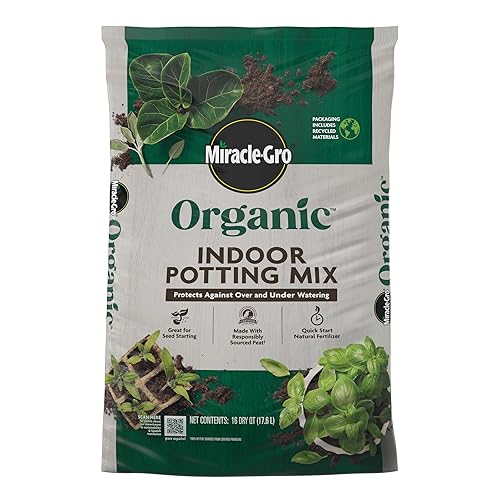 Best for indoor and starter plantsMiracle-Gro Organic Indoor Potting MixView on Amazon
Our Top Picks
| Product | Best for | Key feature |
|---|---|---|
| Back to the Roots 100% Organic Raised Bed Soil | Filling full raised beds | Peat-free, made in USA, 60 cu ft listed |
| Back to The Roots Organic Coir Expanding Soil | Small containers and seed starting | Coir base that expands with water |
| FoxFarm Raised Bed Planting Mix | Mixed vegetable and flower beds | Earthworm castings and oyster shell |
| Miracle-Gro Organic Outdoor Potting Mix | Outdoor containers | OMRI listed with quick-release natural fertilizer |
| Raised Bed & Potting Mix (Compost Blend) | Compost-rich vegetable beds | Compost and earthworm castings, 2 cu ft bag |
| Burpee Premium Organic Potting Mix | Budget-minded containers and beds | OMRI listed with coconut coir |
| Miracle-Gro Organic Indoor Potting Mix | Indoor and starter plants | Designed to resist over- and under-watering |
Back to the Roots 100% Organic Raised Bed Soil
Back to the Roots 100% Organic Raised Bed Soil, Fills 8' x 4' Garden Bed, 60 cu ft, Made in USA, Peat-Free
Best for: Filling a full raised bed in one purchase
This is the mix to consider if you are building or refilling a standard raised bed and want to avoid mixing your own blend. The volume is sized for a bed of roughly 8 feet by 4 feet, which makes it easy to calculate how many bags you need. It suits gardeners who want a peat-free organic base for tomatoes, peppers, squash and leafy greens.
Key specs
- Listed volume: 60 cubic feet, sized to fill an 8′ x 4′ bed
- Peat-free organic formulation
- Made in USA
Pros
- Peat-free, which fits gardeners avoiding peat harvesting
- Volume listed clearly, simplifying bed calculations
- Domestic manufacturing may suit buyers who prefer it
Cons
- Large volume is a poor fit for a single container
- Owners sometimes report it settles over the first season, so topping up with compost is common
Bottom line: Best for gardeners filling a complete raised bed who want a single organic product and a clear volume figure.
Back to The Roots Organic Coir Expanding Soil
Back to The Roots Organic Coir, 51 Quart Expanding Soil, Great for Seeds and Potting
Best for: Small containers and seed starting
This compressed coir product expands when watered, so a small block yields a large volume of growing medium. It is a practical choice for gardeners who need a light, sterile-feeling starting mix for seeds, cuttings or small pots, and who do not want to fill a full bed.
Key specs
- Organic coir base
- Expanding format, rehydrated with water
- Suited to seeds and potting
Pros
- Light and easy to handle
- Compact storage before use
- Good moisture retention for seedlings
Cons
- Coir alone has little nutrition, so feeding is needed after germination
- Not designed as a bulk bed fill
Bottom line: A good choice for seed starting and small containers, but add fertilizer or compost for long-term growth.
FoxFarm Raised Bed Planting Mix
FoxFarm Raised Bed Planting Mix, 1.5cu ft – All-Purpose Garden Soil with Earthworm Castings & Oyster Shell – Ready-to-Use Blend for Vegetables, Flowers, Fruits & Herbs
Best for: Mixed vegetable and flower beds
This all-purpose blend includes earthworm castings and oyster shell, aimed at vegetables, flowers, fruits and herbs in a single mix. It suits gardeners who grow a range of crops in the same bed and want a ready-to-use blend without extra amendments.
Key specs
- Volume: 1.5 cubic feet
- Contains earthworm castings and oyster shell
- Ready to use, no mixing required
Pros
- Versatile across vegetables, herbs and flowers
- Earthworm castings add slow-release nutrition
- Ready to use right out of the bag
Cons
- Volume is small for large beds
- Owners report it can dry out quickly in hot weather, so mulching helps
Bottom line: Ideal for a small mixed bed or container garden where variety matters more than bulk volume.
Plant Soil For Outdoor Container Plants (Miracle-Gro Organic Outdoor Potting Mix)
Plant Soil For Outdoor Container Plants, Contains Quick-Release Natural Fertilizer, OMRI Listed Miracle-Gro Organic Outdoor Potting Mix, 16 qt.
Best for: Outdoor containers with slow feeding
This OMRI listed outdoor mix contains a quick-release natural fertilizer, so it is designed for container plants that need steady feeding through the season. It works well on patios and decks where tomatoes, peppers or herbs are grown in pots.
Key specs
- Volume: 16 quarts
- OMRI listed for organic use
- Contains quick-release natural fertilizer
Pros
- OMRI listing supports organic growing
- Built-in fertilizer reduces early feeding needs
- Consistent texture for containers
Cons
- Volume is too small for raised beds
- Pre-fertilized mixes can burn seedlings if overused
Bottom line: Best for container gardeners who want an OMRI listed mix that feeds plants from the start.
Raised Bed & Potting Mix – Organic Raised Bed Garden Soil with Compost
Raised Bed & Potting Mix – Organic Raised Bed Garden Soil for Vegetables, Flowers & Raised Garden Beds – Ready-to-Use Soil with Compost & Earthworm Castings, 2 Cubic Feet (56.6L)
Best for: Compost-rich vegetable beds
This blend is built around compost and earthworm castings, which suits gardeners who want a biologically active base for vegetables and flowers. It is sized as a 2 cubic foot bag, making it a practical top-up or small-bed option.
Key specs
- Volume: 2 cubic feet (56.6 L)
- Compost and earthworm castings in the blend
- Ready-to-use formulation
Pros
- Compost content supports soil life
- Convenient bag size for small beds
- Works for both vegetables and flowers
Cons
- Owners sometimes report it contains small woody bits
- Bag size is limiting for larger projects
Bottom line: A good fit for small raised beds where compost quality is a priority.
Burpee Premium Organic Potting Mix Garden Soil with Coconut Coir
Burpee Premium Organic Potting Mix Garden Soil with Coconut Coir for Indoor Plants & Outdoor Containers, OMRI Listed, Ideal for Vegetables, Flowers, Herbs (9 Quarts, 0.12-0.12-0.12)
Best for: Budget-minded containers and beds
Burpee is a long-established seed and garden brand, and this OMRI listed mix uses coconut coir as its base. It is a sensible option for gardeners who want an organic mix for containers, herbs or small vegetable plantings without a premium price.
Key specs
- Volume: 9 quarts
- OMRI listed
- Coconut coir base
Pros
- OMRI listing supports organic growing
- Coir base holds moisture well
- Recognized brand in garden supply
Cons
- Volume is modest for raised beds
- Coir-based mixes often need supplemental feeding later in the season
Bottom line: A solid choice for containers and small plantings for gardeners watching their budget.
Miracle-Gro Organic Indoor Potting Mix
Miracle-GroProtects Against Over & Under Watering, Planting Soil For Indoor Container Plants, Houseplants & Starter Plants, OMRI Listed Organic Indoor Potting Mix, 16 qt.
Best for: Indoor and starter plants
This indoor-focused OMRI listed mix is designed to reduce the common problems of over- and under-watering. It suits houseplants and young transplants, and it can be used for starting seedlings before moving them to outdoor beds.
Key specs
- Volume: 16 quarts
- OMRI listed for organic use
- Formulated for indoor container plants
Pros
- Moisture balance suits indoor containers
- OMRI listing supports organic practice
- Good for starter plants and transplants
Cons
- Not intended for outdoor raised beds
- Volume is small for vegetable gardens
Bottom line: Best for indoor plants and seedling starts, not for filling outdoor beds.
Buying Guide
Organic certification and inputs
Look for an OMRI listing or a clear statement that the mix is organic. OMRI reviews input materials against organic standards, which helps when you want to confirm the fertilizers and amendments are allowed in organic production.
Good picks for this: Miracle-Gro Organic Outdoor Potting Mix, Burpee Premium Organic Potting Mix
Drainage and texture
Raised beds drain differently from in-ground soil, so a mix that is too dense can hold water around roots. Coir and compost blends usually lighten the texture, while very fine mixes may compact after watering. Check the bag description for words like aerated, loose or well-draining.
Good picks for this: Back to the Roots 100% Organic Raised Bed Soil, FoxFarm Raised Bed Planting Mix
Volume and bed size
Calculate your bed volume before buying. A bed that is 8 feet by 4 feet and 10 inches deep needs about 27 cubic feet of mix. Small bags suit containers and top-ups, while bulk volumes suit full beds. Remember that most mixes settle, so add 10 to 15 percent extra.
Good picks for this: Back to the Roots 100% Organic Raised Bed Soil, Raised Bed & Potting Mix
Built-in fertility
Some mixes include compost, worm castings or slow-release organic fertilizer. These help early growth, but heavy feeding can burn seedlings. If you plan to amend the bed yourself, a plain organic base may give you more control.
Good picks for this: Miracle-Gro Organic Outdoor Potting Mix, FoxFarm Raised Bed Planting Mix
Water retention
Coir-based products hold moisture well but can dry out when they become hydrophobic, so rewetting matters. Pay attention to the mix description and plan to water thoroughly when you first fill a bed or container.
Good picks for this: Back to The Roots Organic Coir Expanding Soil, Miracle-Gro Organic Indoor Potting Mix
Use case: beds, containers or seeds
Match the product to where it will live. A bed needs bulk volume and consistent texture. Containers benefit from mixes that resist compaction and drain freely. Seed starting needs a fine, sterile-feeling medium with low nutrient levels.
Good picks for this: Back to The Roots Organic Coir Expanding Soil, Burpee Premium Organic Potting Mix
Storage and handling
Keep bags dry and covered until use. Once opened, store the remainder in a sealed container to prevent moisture loss and pest entry. Wear a dust mask when pouring large bags, since potting mixes can carry fine particles.
Good picks for this: Miracle-Gro Organic Indoor Potting Mix, Raised Bed & Potting Mix
FAQ
Is organic raised garden soil worth the extra cost compared with conventional mixes?
It depends on your goals. Organic mixes avoid synthetic fertilizers and are the usual choice for organic gardening. If organic practice is not a priority, a conventional mix may be fine. Compare ingredients rather than assuming a label guarantees better results.
How deep should a raised bed be filled with organic soil?
Most vegetables do well in 10 to 12 inches of soil. Root crops such as carrots benefit from deeper beds, while shallow-rooted greens can thrive in 6 to 8 inches. Fill to the top of the bed and allow for settling.
Do I need to add compost to organic raised bed soil?
Not always. Many blends already include compost. If you are filling a large bed and the mix is plain, adding 1 to 2 inches of compost on the surface each season helps maintain fertility.
Can I use organic potting mix in raised beds?
Potting mixes are often lighter and more soilless than garden soil, so they can work in beds but may settle quickly. Check the product description. Many gardeners blend potting mix with compost for better structure.
How often should I replace soil in a raised bed?
Many gardeners refresh the top few inches each year with compost and fully replace the mix every three to five years, or when drainage clearly declines. Rotate crops to reduce soil-borne disease.
Why does my raised bed soil shrink after planting?
Organic matter breaks down over time, and the mix settles as it compacts. This is normal in the first season. Top up with compost or bagged mix as needed to keep the bed level.
Conclusion
For a full raised bed, the Back to the Roots 100% Organic Raised Bed Soil offers the most straightforward volume for filling. Containers suit the Miracle-Gro Organic Outdoor Potting Mix or the Burpee Premium Organic Potting Mix, depending on whether you want built-in feeding or a lower-cost base. Small beds and compost-focused growers may prefer the Raised Bed & Potting Mix with compost, while seed starters and indoor growers will find the coir and indoor mixes more suitable. Match the product to your bed size, feeding plan and where your plants will grow.
Sources
- Organic standards, certification basics and National Organic Program guidance (usda.gov)
- Research-based soil and raised bed guidance from land-grant university extension services (extension.org)
- Extension publications on container and raised bed soil mixes (ncsu.edu)
Related reading
- Top 7 Miracle-Gro Organic Raised Bed & Garden Soil Picks for 2026
- 8 Best Organic Raised Bed Garden Soils for Home Gardens: 8 Picks Compared
- Vegetable Garden Mix Soil: 8 Best Picks for Raised Beds and Containers
- Raised Garden Bed Soil Mixture: A Step-by-Step Recipe for Healthy Vegetables
- Organic Garden Bed Soil: 5 Best Picks Compared (2026)
- Kellogg Garden Organics Topper Soil: 10 Best Picks for Your Garden (2026)
About Graham Fisher
Graham Fisher is part of our editorial team and reviews and edits our vegetable & edible gardening guides, checking product details against manufacturer specifications and owner feedback.