 By Ethan Brooks
Updated November 2026
Choosing the right vegetable garden mix soil makes the difference between sluggish plants and a steady harvest. A good mix holds moisture without going soggy, drains freely, supplies nutrients over several months and stays loose enough for roots to spread. This list focuses on bagged mixes that suit raised beds and containers, judged on their stated ingredients, organic certifications, intended uses, packaging size and the patterns owners commonly report. None of these were tested in a lab or in our own gardens; the comparisons rely on manufacturer specifications and published owner feedback.
Our top picks at a glance
- 1
 TOP CHOICEBest overallPlant Soil For Outdoor Container Plants, Miracle-Gro Organic Outdoor Potting MixView on Amazon
- 2
 TOP CHOICEBest for seed starting and vegetables with coirBurpee Premium Organic Potting Mix Garden Soil with Coconut CoirView on Amazon
- 3
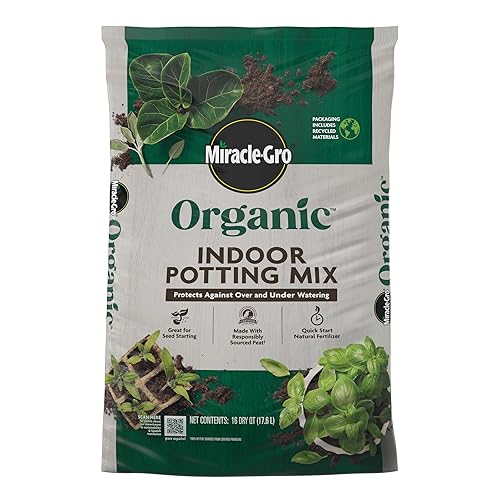 TOP CHOICEBest for indoor and starter plantsMiracle-Gro Organic Indoor Potting MixView on Amazon
- 4
 Best budget pickMiracle-Gro Potting Mix, 16 qt. (2-Pack)View on Amazon
- 5
 Best for seed germination and root expansionBack to The Roots Organic Coir Expanding SoilView on Amazon
Our Top Picks
Quick Comparison
| Product | Best for | Key feature |
|---|---|---|
| Plant Soil For Outdoor Container Plants, Miracle-Gro Organic Outdoor Potting Mix | Outdoor beds and containers | Quick-release natural fertilizer, OMRI listed |
| Burpee Premium Organic Potting Mix Garden Soil | Vegetables, herbs and seed starting | Coconut coir base, OMRI listed |
| Miracle-Gro Organic Indoor Potting Mix | Indoor and starter plants | Designed to resist over- and under-watering |
| Miracle-Gro Potting Mix, 16 qt. (2-Pack) | Budget-conscious bulk planting | Feeds up to 6 months per listing |
| Back to The Roots Organic Coir Expanding Soil | Seeds and root development | Compressed coir that expands with water |
Plant Soil For Outdoor Container Plants, Miracle-Gro Organic Outdoor Potting Mix
Plant Soil For Outdoor Container Plants, Contains Quick-Release Natural Fertilizer, OMRI Listed Miracle-Gro Organic Outdoor Potting Mix, 16 qt.
Best for: Outdoor vegetable containers and raised beds that need steady feeding
This is a practical all-round choice for gardeners who plant tomatoes, peppers, squash and leafy greens in pots or beds and want fertilizer already built into the mix. It suits people who would rather not start a feeding schedule right away.
Key specs
- Container size: 16 quarts
- Listed as an outdoor potting mix for containers
- Contains quick-release natural fertilizer
- OMRI listed for organic use
Pros
- Built-in fertilizer reduces the need for early feeding
- OMRI listing supports organic growing
- Designed for the outdoor conditions containers face
Cons
- Quick-release fertilizer may need supplementing for heavy feeders late in the season
- Bagged volume is modest for large raised beds
Bottom line: Pick this if you want an organic, pre-fertilized outdoor mix for containers and smaller beds.
Burpee Premium Organic Potting Mix Garden Soil with Coconut Coir
Burpee Premium Organic Potting Mix Garden Soil with Coconut Coir for Indoor Plants & Outdoor Containers, OMRI Listed, Ideal for Vegetables, Flowers, Herbs (9 Quarts, 0.12-0.12-0.12)
Best for: Growing vegetables, herbs and seedlings in a light, moisture-retentive organic mix
Gardeners who start seeds indoors or grow herbs and vegetables in containers often want a fine, well-aerated base. Coconut coir is a common choice for that because it holds water while staying open.
Key specs
- Volume: 9 quarts
- Coconut coir included in the blend
- OMRI listed
- Stated analysis of 0.12-0.12-0.12 (low-level nutrients)
Pros
- Coir-based structure retains moisture between waterings
- Suits seed starting and transplanting
- OMRI listing for organic gardens
Cons
- Low listed nutrient analysis means feeding is needed for heavy crops
- Smaller bag size is less economical for full raised beds
Bottom line: A strong choice for seed starting, herbs and containers where moisture balance matters most.
Miracle-Gro Organic Indoor Potting Mix
Protects Against Over & Under Watering, Planting Soil For Indoor Container Plants, Houseplants & Starter Plants, OMRI Listed Miracle-Gro Organic Indoor Potting Mix, 16 qt.
Best for: Indoor and starter plants, including young transplants that need forgiving moisture
This suits people growing seedlings, houseplants or young vegetable starts on a windowsill or under lights, where watering mistakes are easy to make.
Key specs
- Container size: 16 quarts
- Marketed as protecting against over- and under-watering
- OMRI listed for organic use
- Labeled for indoor and starter plants
Pros
- Moisture-buffering formulation suits inconsistent watering
- OMRI listing for organic growers
- Good fit for seedlings and transplants
Cons
- Labeled primarily for indoor use, so outdoor beds may need a different mix
- Not a full-season feeding solution for large vegetables
Bottom line: Choose this for indoor starts and sensitive young plants rather than full outdoor raised beds.
Miracle-Gro Potting Mix, 16 qt. (2-Pack)
For Container Plants, Flowers, Vegetables, Shrubs, Annuals, Perennials, Potting Soil Mix, Feeds up to 6 Months Miracle-Gro Potting Mix, 16 qt. (2-Pack)
Best for: Budget-conscious bulk planting of vegetables, flowers and containers
When you need to fill several containers or a modest raised bed at once, a two-pack of a general potting mix can cover more ground. It works well for gardeners who value volume over specialty formulation.
Key specs
- Two bags, 16 quarts each
- Listed for containers, flowers, vegetables, shrubs and perennials
- Labeled to feed up to 6 months
Pros
- Two-pack gives good volume for multiple containers
- Broad plant suitability
- Built-in feeding window per the listing
Cons
- Not listed as organic
- General-purpose blend may not match specialty seed-starting needs
Bottom line: A practical, volume-friendly option if organic certification is not a requirement.
Back to The Roots Organic Coir Expanding Soil
Back to The Roots Organic Coir, 51 Quart Expanding Soil, Great for Seeds and Potting
Best for: Seed germination, root development and creating a light base to blend into garden soil
Compressed coir expands when hydrated, which makes it useful for gardeners who want to stretch a mix or start seeds in a clean, sterile-feeling medium. It is usually blended with compost or other amendments rather than used alone.
Key specs
- Organic coir product, sold as a compressed block that expands
- Expanded volume listed at 51 quarts
- Suited to seeds and potting
Pros
- Expands to a large volume from a compact block
- Light, airy structure for roots
- Useful for dilution in heavy garden soil
Cons
- Has no built-in fertilizer, so amendments are required
- Needs thorough hydration before use
Bottom line: Best for gardeners comfortable mixing their own vegetable soil who want a coir base.
Buying Guide
Drainage and water retention
A vegetable mix should hold enough moisture for consistent growth while letting excess water drain out of the root zone. Look for descriptions that mention aeration, coir, perlite or pine bark fines. Dense mixes that compact over time can waterlog roots, while very loose mixes dry out fast in summer heat.
Good picks for this: Burpee Premium Organic Potting Mix Garden Soil, Miracle-Gro Organic Indoor Potting Mix
Built-in fertilizer and feeding window
Some mixes include slow or quick-release fertilizer, while others are unfed and need a schedule. Check the stated feeding window. A mix that feeds for several months can carry most of a season, but heavy feeders like tomatoes and squash often need supplements later on.
Good picks for this: Plant Soil For Outdoor Container Plants, Miracle-Gro Potting Mix 2-Pack
Organic certification
If you grow organically, look for an OMRI listing on the bag. OMRI is an independent organization that reviews inputs for use in organic production. Check that the listing applies to the specific product, not just the brand.
Good picks for this: Burpee Premium Organic Potting Mix Garden Soil, Plant Soil For Outdoor Container Plants
Indoor versus outdoor use
Mixes are often labeled for indoor starts, outdoor containers or general use. Outdoor mixes tend to be formulated to handle rain, sun and temperature swings. Indoor mixes may be finer and less robust outdoors.
Good picks for this: Miracle-Gro Organic Indoor Potting Mix, Plant Soil For Outdoor Container Plants
Container size and volume
Estimate volume before buying. A raised bed 4 feet by 8 feet and 12 inches deep holds roughly 32 cubic feet, which is far more than a single 16-quart bag. For large beds, consider bulk soil or a mix you can blend yourself. Use a volume calculator and check the bag count.
Good picks for this: Miracle-Gro Potting Mix 2-Pack, Back to The Roots Organic Coir Expanding Soil
Seed starting suitability
Seeds need a fine, low-nutrient, consistently moist medium. Coir-based blends and expanding coir are common for this purpose. Avoid heavy garden soil for seed trays, which can crust and rot seedlings.
Good picks for this: Back to The Roots Organic Coir Expanding Soil, Burpee Premium Organic Potting Mix Garden Soil
Storage and handling
Keep bagged mix dry and covered. Once opened, reseal or transfer to a container to prevent moisture loss and pests. Wear a dust mask when pouring dry bags, since potting mixes can release fine particles.
Good picks for this: Miracle-Gro Organic Indoor Potting Mix, Miracle-Gro Potting Mix 2-Pack
FAQ
What is the best soil mix for a vegetable garden?
There is no single best mix for every garden. For raised beds and containers, a blend that drains well, holds moisture and includes organic matter works for most vegetables. Compare the ingredients and feeding window against your crop list.
Can I use garden soil alone in raised beds?
Garden soil alone often compacts and drains poorly in raised beds. Most growers blend it with compost and a looser amendment. A common approach is roughly equal parts topsoil, compost and an aerating material, adjusted to your soil test results.
Do vegetable mixes need added fertilizer?
Some do and some do not. Check the label for a built-in fertilizer and a stated feeding window. Even mixes with fertilizer often need supplemental feeding for heavy feeders like tomatoes, squash and corn during peak growth.
How often should I replace potting mix in containers?
Many gardeners refresh container mix each season or after a crop, because organic matter breaks down and nutrients are used up. Reusing old mix without amendment can lead to poor drainage and reduced yields. A soil test can help you decide.
Is coconut coir better than peat for vegetables?
Coir is a renewable alternative to peat and holds water well while staying airy. Peat is also widely used. Both can work. Choose based on your sustainability preferences and how you plan to amend the mix.
Is organic potting mix worth it?
If you follow organic practices, an OMRI-listed mix helps you stay consistent. Conventional mixes can still perform well. Your choice depends on your growing standards and whether you prefer to control fertilizer inputs yourself.
Conclusion
For a general-purpose outdoor vegetable container mix with built-in feeding, the Plant Soil For Outdoor Container Plants, Miracle-Gro Organic Outdoor Potting Mix is a sensible starting point. For seed starting and herbs, the Burpee coir-based blend fits well. Indoor starters do better in the Miracle-Gro Organic Indoor Potting Mix. The two-pack Miracle-Gro Potting Mix suits budget bulk planting, while the Back to The Roots coir block is best for gardeners who prefer to mix their own soil. Match the mix to your containers, feeding plan and organic standards.
Sources
- Research-based guidance on growing media, container soils and raised bed preparation (extension.org)
- Information on organic standards and the National Organic Program (usda.gov)
- Extension publications on potting media, soil structure and vegetable production (osu.edu)
Related reading
- Top 7 Soils for Raised Vegetable Garden Beds: Compared for 2026
- Top 7 Organic Raised Bed Garden Soil Picks for Healthy Vegetables
- Sta-Green Flower & Vegetable Garden Soil: 7 Best Picks for 2026
About Ethan Brooks
Ethan Brooks is part of our editorial team and reviews and edits our vegetable & edible gardening guides, checking product details against manufacturer specifications and owner feedback.


