 By Ethan Brooks
Updated November 2026
Choosing a soil conditioner for garden beds can be confusing, because the label on the bag rarely tells you what the product actually does to your soil. Some products add calcium, some loosen compacted clay, some deliver humic acid or beneficial microbes, and some are mainly marketed for lawns but work in vegetable beds too. The picks below were selected by comparing product specifications, manufacturer claims, brand reputation, and the kinds of feedback owners commonly report. The main criteria were the soil problem each product targets, the active ingredients listed, whether it suits in-ground or container use, ease of application, and whether it fits a vegetable garden where food crops are involved. No product here was tested in a lab or used by the author.
Our top picks at a glance
- 1
 TOP CHOICEBest overallEarth Science Fast Acting Gypsum Granules—5 lb Soil ConditionerView on Amazon
- 2
 TOP CHOICEBest for humic and organic matterFarm Made Organics Humic+ Liquid Humic Acid Soil Conditioner, 32 ozView on Amazon
- 3
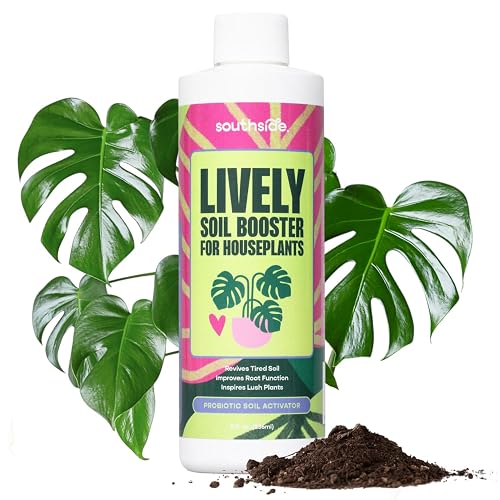 TOP CHOICEBest for houseplants and containersLively Soil Conditioner for Houseplants – Repot LessView on Amazon
- 4
 Best for compacted lawn-style soilSimple Lawn Solutions Liquid Soil LoosenerView on Amazon
- 5
 Best for aeration with a liquid concentrateCovington Liquid Lawn Aerator Soil Conditioner & SoftenerView on Amazon
- 6
 Best budget pickRaw Organic Soil Conditioner Root HumeView on Amazon
Our Top Picks
Quick Comparison
| Product | Best for | Key feature |
|---|---|---|
| Earth Science Fast Acting Gypsum Granules | Clay soil and salt-damaged beds | Calcium sulfate granules |
| Farm Made Organics Humic+ Liquid Humic Acid | Organic matter boost in beds | 5% leonardite humic acid with kelp and potash |
| Lively Soil Conditioner for Houseplants | Containers and tired potting mix | Beneficial Bacillus bacteria |
| Simple Lawn Solutions Liquid Soil Loosener | Compacted, poorly draining soil | Liquid loosening concentrate |
| Covington Liquid Lawn Aerator | Clay and compacted soil with aeration | Liquid aeration concentrate, made in USA |
| Raw Organic Soil Conditioner Root Hume | General-purpose humic feeding | Concentrated liquid humic |
Earth Science Fast Acting Gypsum Granules—5 lb Soil Conditioner
Earth Science Fast Acting Gypsum Granules—5 lb— Soil Conditioner Adds Calcium, Repairs Salt Damage & Root Growth with Nutri-Bond Runoff Reduction Technology
Best for: Clay soil and beds affected by salt or sodium buildup
This is a good fit for gardeners dealing with heavy clay that drains slowly or soil that has become hard and crusted. Gypsum supplies calcium without raising pH, which makes it a common choice where soil is alkaline or where salt residue from fertilizers or irrigation is a concern.
Key specs
- Form: fast-acting granules
- Package size: 5 lb
- Primary action: adds calcium and helps loosen clay
Pros
- Adds calcium without changing soil pH
- Easy to broadcast by hand across beds
- Commonly recommended for clay and sodic soils
Cons
- Works slowly on structure compared with organic amendments
- Does not add organic matter or microbial activity
Bottom line: The best starting point for clay or salt-stressed vegetable beds, especially if you also plan to add compost over time.
Farm Made Organics Humic+ Liquid Humic Acid Soil Conditioner, 32 oz
Fulvic Acid, Sea Kelp & Soluble Potash Blend, 5% Leonardite Humic Acid, For Lawns, Gardens & Indoor Plants, Made in USA Farm Made Organics Humic+ Liquid Humic Acid Soil Conditioner, 32 oz
Best for: Adding organic matter and nutrient availability to garden beds
Gardeners who already use compost and want a liquid feed that supports nutrient uptake will find this useful. The formula combines leonardite humic acid, fulvic acid, sea kelp, and soluble potash.
Key specs
- Form: liquid concentrate
- Volume: 32 oz
- Listed ingredients: 5% leonardite humic acid, fulvic acid, sea kelp, soluble potash
Pros
- Combines humic and fulvic acids with kelp in one product
- Liquid form mixes easily with watering
- Suitable for lawns, gardens, and indoor plants
Cons
- Liquid application needs repeated treatments over a season
- Benefits depend on existing soil organic matter and biology
Bottom line: A strong choice for gardeners who want a liquid humic and kelp feed alongside compost.
Lively Soil Conditioner for Houseplants – Repot Less
Lively Soil Conditioner for Houseplants – Repot Less, Revive Tired Potting Soil, Improve Drainage & Nutrient Uptake – Beneficial Bacillus Indoor Plant Booster
Best for: Containers and revived potting mix
This product is aimed at container growers who want to extend the life of potting mix instead of replacing it every season. It is primarily labeled for houseplants, but many container vegetable growers use similar microbial products on patio pots.
Key specs
- Active ingredient: Bacillus bacteria
- Use: container and potted plants
Pros
- Designed for potted soil and drainage
- Simple to apply through watering
- Useful for refreshing old potting mix
Cons
- Not sized for large in-ground or raised bed areas
- Effects on nutrient uptake vary with mix quality and watering habits
Bottom line: Best for container gardeners and houseplant owners who want a microbial booster rather than a bulk amendment.
Simple Lawn Solutions Liquid Soil Loosener
Liquid Soil Loosener- Soil Conditioner-Use alone or when Aerating with Mechanical Aerator or Core Aeration- Simple Lawn Solutions- Any Grass Type-Great for Compact Soils, Standing water, Poor Drainage
Best for: Compacted soil and poor drainage
Owners dealing with standing water after rain or hard, packed ground may find this a practical option. It is labeled for use alone or alongside core aeration, and it is intended for any grass type, which means it can also be used around garden edges.
Key specs
- Form: liquid concentrate
- Intended use: compact soils and standing water
Pros
- Designed specifically for compacted and poorly draining soil
- Can be paired with mechanical core aeration
- Liquid form covers areas evenly with a sprayer
Cons
- Labeled mainly for lawns, so vegetable use requires checking the directions
- Does not replace physical aeration in severely compacted ground
Bottom line: A good option for gardeners who need to loosen compacted ground around beds or paths.
Covington Liquid Lawn Aerator Soil Conditioner & Softener
Covington Liquid Lawn Aerator (32oz) – Soil Conditioner & Softener for Lawns & Gardens – Loosens Clay & Compacted Soil for Better Water & Nutrient Absorption – Liquid Aeration Concentrate, Made in USA
Best for: Clay and compacted soil that needs both aeration and softening
This concentrate is positioned for lawns and gardens alike, with the goal of improving water and nutrient movement through clay. It suits gardeners who prefer a liquid approach to physical aeration in mixed-use yards.
Key specs
- Form: liquid aeration concentrate
- Volume: 32 oz
- Origin: made in USA (per listing)
Pros
- Targets clay and compaction directly
- Concentrate dilutes to cover a sizable area
- Listed as made in USA
Cons
- Results depend on consistent reapplication
- Works best alongside organic matter rather than alone
Bottom line: Suited to gardeners with clay-heavy yards who want a liquid softener to complement compost and aeration.
Raw Organic Soil Conditioner Root Hume
Raw Organic Soil Conditioner- Root Hume- Simple Grow Solutions- Natural Plant & Lawn Treatment- Nutrient Food Enhancer- Concentrated Liquid Humic – Grass, Tomatoes, Citrus, Flowers, Vegetables
Best for: General-purpose humic feeding on a budget
This concentrated liquid humic is marketed across grass, vegetables, citrus, and flowers. It is a sensible pick for gardeners who want an inexpensive humic supplement to add to an existing compost and fertilizer routine.
Key specs
- Form: concentrated liquid humic
- Listed uses: grass, tomatoes, citrus, flowers, vegetables
Pros
- Versatile across many plant types
- Concentrate stretches over many applications
- Budget-friendly option within the humic category
Cons
- Fewer listed specifications than some competing humic products
- Owners often note results are gradual rather than immediate
Bottom line: A practical general-purpose humic for vegetable gardeners who already fertilize and compost regularly.
Buying Guide
Match the Conditioner to Your Soil Problem
Before buying, identify what is actually wrong with your soil. A simple jar test shows whether you have heavy clay, sand, or a loam. Dense clay that puddles after rain calls for calcium amendments like gypsum or a liquid loosener. Sandy soil that dries out fast benefits more from organic matter such as humic products. Compacted paths and beds that shed water need physical or liquid aeration.
Good picks for this: Earth Science Fast Acting Gypsum Granules, Covington Liquid Lawn Aerator
Check the Active Ingredients
Soil conditioners are not standardized, so read the ingredient list. Common actives include calcium sulfate (gypsum), humic and fulvic acids (from leonardite or similar sources), seaweed or kelp, and beneficial bacteria. Each acts differently. Gypsum changes soil chemistry and structure; humics feed soil biology and help hold nutrients; microbes support root-zone activity. Knowing which one you need prevents wasted spending on a mismatched product.
Good picks for this: Farm Made Organics Humic+ Liquid Humic Acid, Raw Organic Soil Conditioner Root Hume
Solid Granules Versus Liquid Concentrates
Granular products such as gypsum are broadcast over the bed and watered in, which suits large in-ground areas. Liquid concentrates mix with water and are applied with a hose-end sprayer or watering can, which works well for mid-season treatment and container plants. Granules act over a longer period, while liquids often show faster but shorter-term effects that need repetition.
Good picks for this: Earth Science Fast Acting Gypsum Granules, Simple Lawn Solutions Liquid Soil Loosener
Size and Coverage
Calculate the area you intend to treat before choosing a size. Gypsum and similar amendments are often applied at rates measured per square foot, so a 5 lb bag covers a limited bed area. Liquid concentrates list dilution ratios; estimate total gallons needed for your beds and lawn edges. Buy enough for one full season rather than running short mid-application.
Good picks for this: Earth Science Fast Acting Gypsum Granules, Covington Liquid Lawn Aerator
Container Versus In-Ground Use
Containers dry out faster and compact over time, so products designed for potting mix behave differently from those formulated for field soil. If you grow tomatoes or peppers in pots, a microbial or humic supplement suited to potted plants is usually more appropriate than a bulk lawn product.
Good picks for this: Lively Soil Conditioner for Houseplants, Raw Organic Soil Conditioner Root Hume
Food-Crop Safety and Label Directions
Many soil conditioners are labeled primarily for lawns or ornamentals. If you use one in a vegetable bed, follow the label directions closely and avoid applying it to edible parts. Organic-labeled products generally suit vegetable gardens better, but read the full list of ingredients. If you have questions about a product’s suitability for food crops, your local cooperative extension office can advise.
Good picks for this: Farm Made Organics Humic+ Liquid Humic Acid, Simple Lawn Solutions Liquid Soil Loosener
Durability and Storage
Granular products should be kept dry in sealed containers to avoid clumping. Liquid concentrates should be stored out of freezing temperatures and kept tightly capped. Check manufacturer storage recommendations, since some biological products lose activity in heat.
Good picks for this: Lively Soil Conditioner for Houseplants, Covington Liquid Lawn Aerator
FAQ
What is a soil conditioner for garden beds?
A soil conditioner is a product added to soil to change its physical structure, chemistry, or biological activity. Examples include gypsum to loosen clay, humic acid to support organic matter, and beneficial bacteria to support root-zone life. It is not the same as fertilizer, although some products contain nutrients.
Does gypsum change soil pH?
Gypsum, which is calcium sulfate, generally does not raise or lower pH significantly, which is why it is often chosen for clay and salt-affected soil where pH should stay stable. Soil test results are still the best guide before adding any amendment.
How often should I apply a liquid soil conditioner?
Follow the label directions for your specific product. Many liquid humic and aerator concentrates recommend repeated applications across the growing season or at set intervals. Avoid over-applying, and water as directed after treatment.
Can I use a lawn soil conditioner on vegetables?
Some lawn-labeled products can be used around vegetable beds, but you should check the label for food-crop use and follow the directions carefully. Organic-labeled options are generally a safer choice for edible gardens.
Is compost a soil conditioner?
Yes. Compost is one of the most widely recommended soil conditioners because it adds organic matter that improves structure, water retention, and biological activity. Many gardeners use compost as the foundation and add specialty products only where specific problems exist.
How do I know if my soil needs a conditioner?
Signs include water pooling on the surface, cracks that form as soil dries, hard crusts, slow drainage, and poor root growth. A soil test through your state cooperative extension service can clarify pH, nutrient levels, and texture before you buy anything.
Should I consult a professional before treating soil?
If your soil has severe salt damage, contamination, or unexplained plant decline, consult a certified soil scientist, your local extension office, or a professional landscaper before applying products. Soil problems can have causes that conditioners will not solve.
Conclusion
For clay-heavy or salt-affected beds, Earth Science Fast Acting Gypsum Granules is the most direct starting point. Gardeners who want to build organic matter and nutrient availability will find Farm Made Organics Humic+ a strong liquid option. Container growers do best with Lively Soil Conditioner for Houseplants, while those dealing with compacted, poorly draining ground may prefer the Simple Lawn Solutions Liquid Soil Loosener or Covington Liquid Lawn Aerator. Raw Organic Soil Conditioner Root Hume serves as a general-purpose, budget-minded humic. Whichever you choose, pair it with regular compost and a soil test for the best results.
For more on preparing beds, see Preparing Garden Soil for Planting: A Practical Guide and Improving Garden Drainage in Heavy or Wet Soil.
Sources
- Regional soil testing and amendment guidance from land-grant university extension programs (extension.org)
- Soil health principles and information on soil structure and organic matter (usda.gov)
- Guidance on fertilizer and soil amendment safety and proper use (epa.gov)
Related reading
About Ethan Brooks
Ethan Brooks is part of our editorial team and reviews and edits our vegetable & edible gardening guides, checking product details against manufacturer specifications and owner feedback.


