By Ethan Brooks
Updated November 2026
Is garden soil the same as potting soil? No, and mixing them up is one of the most common reasons container plants fail. Garden soil is a dense, mineral-heavy material meant for in-ground planting and raised beds. Potting soil, sometimes sold as potting mix, is a lightweight, soilless blend built for pots and planters. For most container and indoor growing, potting soil wins. For large vegetable beds and in-ground planting, garden soil or a bed-specific blend is usually the better choice.
Garden Soil vs Potting Soil at a Glance
The two products look similar in a bag, but their ingredients and behavior are quite different. The table below compares the main criteria.
| Criterion | Garden Soil | Potting Soil |
|---|---|---|
| Main ingredients | Topsoil, sand, clay, silt, sometimes compost | Peat moss or coir, perlite, vermiculite, bark, compost |
| Texture when dry | Dense, clumpy, sometimes crusty | Light, fluffy, loose |
| Drainage in containers | Poor; tends to stay soggy | Good; water moves through freely |
| Air space for roots | Limited once compacted | High; roots get plenty of oxygen |
| Weight | Heavy, especially when wet | Light, easy to lift and move |
| Nutrient content | Varies by brand; often low until amended | Often includes starter fertilizer and lime |
| Sterility | Not sterile; may carry weed seeds and pathogens | Usually pasteurized or sterilized |
| Best use | In-ground beds, raised beds, large landscape areas | Pots, planters, seed starting, indoor plants |
| Water retention | Holds moisture for long periods | Retains moisture but drains more easily |
| Reuse potential | Can be reused with amendment | Breaks down over one to two seasons |
Ingredients and Composition: Which Has the Better Base?
Garden soil is a natural material. Its structure depends on the balance of sand, silt, and clay in the ground it came from. Good topsoil is a mix of minerals and organic matter, and it supports soil life such as earthworms, fungi, and bacteria. Bagged garden soil varies widely. Some brands are mostly screened topsoil. Others add compost or manure. Read the label and look for the words “topsoil,” “compost,” or “soil conditioner” to understand what you are buying.
Potting soil is built from scratch. Manufacturers combine a fibrous base such as sphagnum peat moss or coconut coir with aeration materials like perlite (expanded volcanic glass) or pine bark fines. Because there is no natural clay, the mix stays light and porous. Many potting soils also include slow-release fertilizer and a pH adjuster such as dolomitic lime, so they are ready to use straight from the bag.
Winner: Potting soil for consistent, predictable ingredients. Garden soil wins only if you need a large volume of material with natural mineral content and can accept variation between bags.
Drainage and Aeration: Which Keeps Roots Healthier?
Drainage matters more in containers than almost anywhere else. Roots need oxygen as much as water. When soil stays waterlogged, root tissue begins to suffocate and rot, which often shows up as yellowing leaves and wilting even when the pot is wet.
Garden soil, especially clay-heavy topsoil, packs down in pots. Water sits in the bottom and the top few inches can form a crust. A pot filled with garden soil may hold water for days after a thorough watering. Potting soil keeps its structure because perlite and bark create air pockets that stay open. A container filled with potting mix typically drains within minutes.
In raised beds, the picture changes. Because the bed sits on top of the ground and usually has loose, deep material, drainage is less of a problem. Many gardeners fill raised beds with a blend of topsoil and compost or with a specialty raised bed mix. Pure potting soil in a large bed can dry out quickly and cost more than it needs to.
Winner: Potting soil in containers. Garden soil or bed mix in raised beds, provided the blend includes enough organic matter.
Weight and Handling: Which Is Easier to Move?
Weight is an overlooked factor until you have to lift a planter onto a deck or carry bags up a set of stairs. Garden soil is dense, and a wet 2-cubic-foot bag can be very heavy. Filling a large container with it can make the planter nearly impossible to move without a dolly.
Potting soil is far lighter because its peat, coir, and perlite components hold a lot of air. A large container filled with potting mix is much easier to shift, which makes it a practical choice for patios, balconies, and rooftop gardens where weight limits are real concerns.
Winner: Potting soil. It is the better option for portable or weight-sensitive containers.
Nutrients and Fertility: Which Feeds Plants Better Out of the Bag?
Neither product is a complete fertilizer on its own, but they start in different places. Many garden soils are low in available nitrogen, phosphorus, and potassium, especially if they were sold as screened fill dirt. Good topsoil with compost can be fertile, but results vary by brand and batch.
Most quality potting soils include a starter charge of slow-release fertilizer that feeds plants for the first several weeks. Typical label guidance is to supplement with a liquid feed every two to four weeks once plants are actively growing. Vegetables and fruiting plants such as tomatoes and peppers need more feeding than herbs or leafy greens, so plan to fertilize throughout the season.
Keep in mind that nutrient content is not the same as nutrient availability. Potting mixes often have a slightly acidic pH, typically in the 5.5 to 6.5 range, which helps many vegetables access nutrients efficiently. Garden soil pH varies by region and can be more alkaline. A simple soil test before planting, using a home test kit or a university extension lab, tells you whether to add lime or sulfur.
Winner: Potting soil for convenience and a built-in starter feed. Garden soil can be just as productive once amended with compost and balanced with a soil test.
Sterility and Pests: Which Carries Fewer Problems?
Garden soil can carry weed seeds, soil-borne fungi such as Pythium and Fusarium, nematodes, and insect larvae. For in-ground planting, these are part of a living system. In a container, they can quickly cause seedling damping-off or root rot.
Commercial potting soil is usually heat-treated or otherwise sterilized, which lowers the risk of pathogens and weed seeds. This is a major reason seed starting is almost always done in potting mix rather than garden soil. Sterility does not mean the mix is sterile forever, though. Once opened, it can pick up contamination, so store bags in a dry, covered area.
Winner: Potting soil for seed starting and disease-sensitive plants. Garden soil is acceptable for mature plants in beds if you rotate crops and monitor for disease.
Cost-Effectiveness and Volume: Which Makes More Sense by the Yard?
Volume is where the two products diverge most. Filling a 4-foot by 8-foot raised bed that is 12 inches deep requires about 32 cubic feet of material. Bagged potting soil, sold in 1.5 to 2 cubic foot bags, becomes impractical at that scale. Garden soil or a bulk raised bed mix, delivered by the cubic yard, is far more practical for large beds and landscape projects.
For containers of 5 gallons or less, potting soil is the sensible choice because you only need a few bags. Use it for pots, hanging baskets, and window boxes. Save bulk garden soil for beds and large in-ground plantings. If you are weighing options, compare cubic-foot coverage per bag and shop based on how much material your project actually requires.
Winner: Garden soil for bulk, large-scale beds. Potting soil for small containers and mixed plantings.
Which Should You Choose?
The right product depends on where the plants will grow, how big the space is, and what you plan to grow. Use these guidelines to decide:
- Choose potting soil if you are growing in pots, planters, window boxes, or indoor containers.
- Choose potting soil if you are starting seeds or growing seedlings that need a sterile medium.
- Choose potting soil if your planter needs to be moved often or sits on a balcony with weight limits.
- Choose garden soil or a bed blend if you are filling a raised bed or planting directly into the ground.
- Choose garden soil or a bed blend if you need a large volume, measured in cubic yards rather than bags.
- Choose a mix of both if you want the structure of potting soil with the nutrient base of compost-rich topsoil in a large bed, adjusting the ratio based on your soil test.
Potting soil works well on its own in containers. Those new to vegetable gardening may also want to read Garden Soil vs Potting Soil vs Potting Mix (2026): Which Should You Choose? for a closer look at the three-way difference. If you are deciding between topsoil and garden soil for a bed, Is Garden Soil the Same as Topsoil? Which Should You Choose? covers that comparison in detail.
Product Picks by Option
Look for the product type that matches your planting setup. For containers, a peat- or coir-based potting mix with perlite is the standard choice. For raised beds, look for a blended raised bed mix or topsoil with compost.
Potting Soil Option
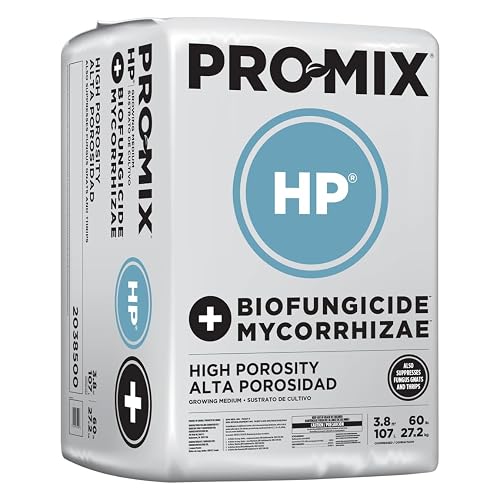
A general-purpose potting mix works well for most container vegetables and flowers. Look for one that lists perlite or bark and includes a starter fertilizer. Examples of well-known brands include Miracle-Gro Moisture Control Potting Mix and Espoma Organic Potting Mix. Read the label to confirm it fits your plants.
Garden Soil Option
For raised beds and in-ground planting, a bagged garden soil or raised bed blend is more appropriate. Products such as Miracle-Gro Raised Bed Soil and Sta-Green Flower and Vegetable Garden Soil are sold for in-ground and bed use. Check the label for added compost and avoid products that are mostly sand or fill dirt.
If you are shopping specifically for raised beds, Raised Garden Potting Soil: 5 Best Picks for Vegetable Beds (2026) and Top 5 Raised Garden Soil Mix Picks for Vegetable Beds in 2026 both list options by use case. For a broader look at vegetable mixes, see What Is the Best Soil for Vegetable Garden? 6 Top Picks for 2026.
FAQ
Can I use garden soil in a pot instead of potting soil?
You can, but it usually causes problems. Garden soil compacts in containers, drains poorly, and can introduce weeds and pathogens. Potting soil is a better choice for pots. If you must use garden soil, mix it at no more than one part soil to two parts perlite or coarse compost, and check drainage carefully.
Is potting soil the same as garden soil for vegetables?
No. Potting soil is designed for containers and tends to be lighter and more sterile. Garden soil or a raised bed blend is designed for larger plantings and carries more natural minerals. Vegetables grown in containers do well in potting mix, while vegetables in raised beds usually do better in a bed-specific blend.
Does potting soil have fertilizer already in it?
Most quality potting soils include a slow-release starter fertilizer that lasts roughly the first few weeks to a couple of months, depending on the product. Check the bag label for the feeding duration. Once plants are actively growing, most vegetables benefit from a supplemental liquid or granular feed.
Why does garden soil get so hard in containers?
Garden soil contains clay and fine silt particles that pack together when wet and dry. In a pot, watering and settling compress the material further, reducing air space around roots. Adding perlite or coarse compost can help, but potting mix avoids the problem entirely because it is formulated to stay loose.
Can I mix garden soil and potting soil together?
Yes, though the ratio matters. For containers, avoid adding much garden soil. For raised beds, a blend of roughly equal parts topsoil and compost, with some potting mix added for lightness, can work well. Run a soil test on the mix before planting to confirm pH and nutrient levels.
Conclusion
Is garden soil the same as potting soil? They are not interchangeable. Potting soil is the better option for containers, seed starting, and any situation where weight, drainage, and sterility matter. Garden soil, or a bed-specific blend, is the better option for large raised beds and in-ground planting, where volume and natural mineral content are more important. Match the product to the space you are filling, test your soil when possible, and you will avoid the most common container and bed problems.
Related reading
- Garden Soil vs Potting (2026): Which Should You Choose?
- Can I Use Garden Soil for Potting? Why It Often Fails and What to Use
About Ethan Brooks
Ethan Brooks is part of our editorial team and reviews and edits our vegetable & edible gardening guides, checking product details against manufacturer specifications and owner feedback.