By Ethan Brooks
Updated November 2026
What’s the difference between garden soil and topsoil? Topsoil is the natural, mineral-heavy layer used to level, fill and repair low areas, while garden soil is usually a blended product with added organic matter, built for planting. If you’re filling a raised bed for vegetables, garden soil is the better pick. If you’re leveling a lawn or grading a yard, topsoil does the job for less effort.
| Criteria | Garden Soil | Topsoil |
|---|---|---|
| Main purpose | Growing vegetables, flowers and herbs | Leveling, grading and filling low spots |
| Typical composition | Blend of topsoil, compost, peat or coir and sometimes perlite | Natural surface soil, often screened, with varying clay, sand and silt |
| Organic matter | Usually high, often 20 to 50 percent by volume in bagged products | Usually low, often under 5 percent unless amended |
| Drainage | Good to excellent in most blends | Variable, can compact and hold water |
| Nutrient content | Generally higher, with added compost or fertilizer | Depends on the source; often modest |
| Weed seed and pathogen risk | Lower in quality brands that are heat-treated | Higher, since it’s unprocessed |
| Best for raised beds | Yes | Not on its own |
| Best for lawn leveling | Not economical | Yes |
Composition: What Each One Is Made Of
Topsoil is the upper layer of native ground, usually the top 2 to 8 inches, where most biological activity happens. It’s harvested from fields, excavation sites or landscape suppliers and screened to remove rocks, roots and debris. Its texture depends on where it came from. A loam topsoil with a balance of sand, silt and clay is excellent. A clay-heavy topsoil can be sticky and slow to drain.
Garden soil is manufactured. Most bagged or bulk garden soils start with screened topsoil or sand and blend in compost, composted bark, peat moss or coconut coir, and sometimes perlite or vermiculite for aeration. Many also include a starter fertilizer. The goal is a uniform, loose, fertile medium that stays workable.
Winner: Garden soil, because its composition is designed for root growth rather than just bulk fill.
Organic Matter and Structure
Organic matter is what separates a plant-ready medium from dirt. It holds moisture and nutrients, feeds soil organisms and keeps the structure open so roots can breathe. Quality garden soil typically contains a high proportion of compost or other organic material. Topsoil varies widely, and most bulk topsoil has little organic content unless it came from a rich field or has been amended.
Structure matters too. Garden soil stays crumbly and aerated for several seasons if you add fresh compost each year. Topsoil, especially if it’s clay-heavy, can compact under foot traffic, cap over after rain and restrict roots.
Winner: Garden soil, for the structure and organic content that vegetables need.
Drainage and Water Retention
Good vegetable soil should hold moisture without becoming waterlogged. Garden soil blends are engineered for this balance, usually with enough coarse material to drain freely while retaining moisture between waterings. Most growers find that a bed filled with quality garden soil drains within a few minutes after a heavy watering.
Topsoil can go either way. A sandy loam drains quickly and may need more frequent watering. A heavy clay topsoil can hold water for days and suffocate roots. Because the texture is unpredictable, it’s harder to know how it will behave until you’ve planted in it.
Winner: Garden soil, for its consistent drainage.
Nutrient Content and Fertility
Garden soil usually arrives with nutrients already in place. Many products list added compost, bone meal, kelp or slow-release fertilizer on the label. This gives seedlings and transplants something to work with right away. You’ll still want to feed heavy feeders like tomatoes and squash through the season, but you start from a stronger baseline.
Topsoil fertility is inconsistent. Some topsoil is rich and dark; some is nearly sterile subsoil mislabeled as topsoil. A soil test is the only reliable way to know. The University of Maryland Extension and most state cooperative extension offices recommend testing before planting, and many will do it for a modest fee.
Winner: Garden soil, because its fertility is more predictable.
Weed Seeds, Pests and Contaminants
This is where the two diverge sharply. Unprocessed topsoil can carry weed seeds, nematodes, fungal spores and occasionally herbicide residue from the field it came from. Reputable garden soil products are typically heat-treated or sterilized and tested for weed seed and pathogens. That alone can save you a season of weeding.
Ask any bulk supplier whether their topsoil is screened, tested or sourced from a known field. If the answer is vague, assume it may carry problems. For edible gardens, this matters more than most buyers realize.
Winner: Garden soil, for a cleaner starting point.
Cost Per Yard and Coverage
Topsoil is almost always sold by the cubic yard and is the more economical choice when you need to move large volumes. Garden soil is also sold in bulk, but bagged versions cost more per cubic foot and are better suited to small beds and containers. Because garden soil is more processed, the per-yard cost is higher. For a raised bed a few feet across, the difference is modest. For a large lawn leveling project, it adds up quickly.
Winner: Topsoil, for large-volume, low-stakes fill.
Best Use for Lawns, Grading and Fill
Topsoil shines when you’re grading a yard, leveling a dip or building up a low corner before sod goes down. It packs well, settles predictably and does the structural job. Using premium garden soil for grading wastes money and adds nothing to the result.
When you’re seeding a lawn, a thin layer of topsoil or a topsoil and compost mix is usually enough. For this, topsoil is the efficient choice.
Winner: Topsoil, for grading, leveling and lawn work.
Best Use for Vegetable Beds and Containers
For raised beds, in-ground vegetable plots and containers, garden soil is the right tool. The organic matter, drainage and clean starting point make it the better growing medium. If you’re researching options, our guide to the Top 7 Soils for Raised Vegetable Garden Beds: Compared for 2026 walks through the best picks by bed type.
A common mistake is filling a raised bed entirely with topsoil to save money. The result is usually compacted, poorly draining and low in nutrients by midsummer. Readers who want a deeper comparison can also look at Garden Soil vs Topsoil (2026): Which Is Better for Your Vegetable Beds?, which covers the planting-specific tradeoffs.
Winner: Garden soil, for vegetables and containers.
Which Should You Choose?
- Choose garden soil if you’re filling raised beds, planting vegetables, starting seeds, or growing in containers where drainage and fertility matter.
- Choose garden soil if you want a clean product with fewer weed seeds and a consistent texture from bag to bag.
- Choose topsoil if you’re leveling a low spot, grading a yard or preparing ground for sod.
- Choose topsoil if you need a large volume of fill and plan to amend it with compost before planting.
- Choose topsoil if you’re building up a lawn area where soil structure is less critical than bulk.
- Use both if you’re building a large garden: topsoil or subsoil for the base, and a garden soil or compost mix for the top 8 to 12 inches where roots work.
For a closer look at how the two compare in everyday gardening decisions, see Is Garden Soil the Same as Topsoil? Which Should You Choose?, which answers the question from a homeowner’s point of view.
Product Options
Here are the product types that fit each option. Check labels for current ingredient lists and intended use before buying.
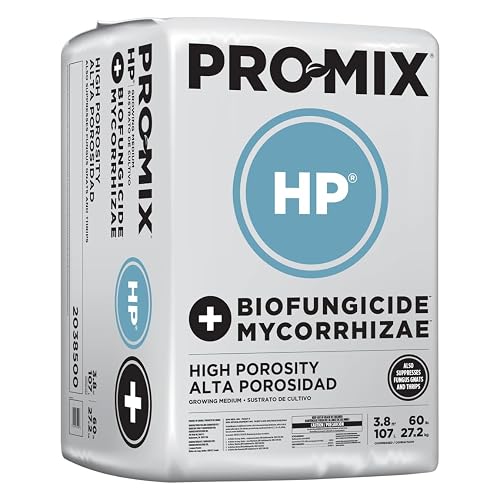
Garden soil option: A premium bagged garden soil blend with compost and added nutrients is the most practical choice for raised beds. Look for a product labeled for vegetables, with a list of ingredients that includes compost or composted organic matter.
Topsoil option: A screened topsoil from a landscape supplier or a bagged topsoil product works well for leveling and grading. For bulk jobs, buying by the cubic yard from a local yard is usually more practical than bags.
FAQ
Can I use topsoil instead of garden soil in a raised bed?
You can, but it’s rarely a good idea on its own. Topsoil tends to compact, drain poorly if it’s clay-heavy and lack the organic matter vegetables need. If you do use topsoil, blend it with at least one-third compost by volume and check drainage after a test watering.
Is garden soil the same as potting mix?
No. Potting mix is lighter, usually made from peat or coir, perlite and bark, and designed for containers. Garden soil is heavier and meant for in-ground or raised beds. Our article Difference Between Potting and Garden Soil: What Each Does Best explains the split in detail.
How do I know if my topsoil is good enough for planting?
Dig a handful and squeeze it. Good soil crumbles when you open your hand and holds its shape loosely. Sticky, rock-hard or gray soil needs amending. A soil test through your local extension office will tell you pH, nutrient levels and texture, which is the most reliable check.
Does garden soil need to be replaced every year?
Not entirely. Most gardeners top-dress beds each spring with one to two inches of compost and mix it in lightly. Replace the full bed soil every three to five years, or sooner if plants show persistent disease or nutrient problems.
Which is better for a new lawn?
Topsoil, usually a screened loam or a topsoil and compost blend, is the standard choice for seeding or laying sod. Garden soil is unnecessary for lawns and costs more per yard. Aim for 4 to 6 inches of topsoil under sod and grade the surface so water runs away from the house.
Conclusion
What’s the difference between garden soil and topsoil? Topsoil is the natural surface layer, best for leveling, grading and bulk fill. Garden soil is a processed, organic-rich medium built for growing plants. For vegetable beds, containers and herb gardens, garden soil is the better choice. For lawns and yard grading, topsoil does the job well. Match the product to the task, test your soil when in doubt and you’ll avoid most of the common frustrations that come from using the wrong material.
Related reading
- Difference Between Topsoil and Garden Soil (2026): Which Should You Choose?
- What Is the Best Soil for Vegetable Garden? 6 Top Picks for 2026
- Miracle-gro Garden Soil Lowe's: A Practical Guide (2026)
- Miracle Gro Garden Soil Sale: Where to Find Deals and What to Buy
About Ethan Brooks
Ethan Brooks is part of our editorial team and reviews and edits our vegetable & edible gardening guides, checking product details against manufacturer specifications and owner feedback.