 By Graham Fisher
Updated November 2026
Good raised garden beds design plans start with three decisions: where the beds will sit, how big each one should be, and how you will reach the middle without stepping on the soil. Work through those choices in order and you will end up with a layout you can build in a weekend and maintain for years. This guide walks through each step, with measurements, a materials checklist and a table of common bed sizes so you can draw a plan that fits your yard and your crops.
Why Planning Matters Before You Build
Most problems with raised beds trace back to the plan rather than the construction. A bed that is too wide forces you to lean across it and compact the soil. A bed placed in partial shade yields half the tomatoes of one in full sun. A layout with no walking paths turns weeding into a balancing act. Spending an hour on paper saves you from moving lumber later. If you are still deciding whether raised beds suit your site at all, the overview in Raised Garden Beds: Sizes, Materials and Setup covers the basics of materials and construction.
Shopping for one? See our guide: 5 Best Garden Soil in Bulks for Raised Beds and Gardens (2026).
Step 1: Choose the Right Location
Vegetables generally need six to eight hours of direct sun per day. Observe your yard for a full day, noting where shade from buildings, trees and fences falls at morning, midday and late afternoon. Fruiting crops such as tomatoes, peppers and squash are the most sun-hungry, while leafy greens tolerate some afternoon shade.
- Place beds within reach of a water source, ideally a hose bib no more than 50 feet away.
- Keep beds at least a few feet from large tree roots, which compete for water and nutrients.
- Choose ground that drains well. Standing water under a bed can cause rot even when the bed itself drains.
- Orient long beds north to south when possible so that both sides receive even sunlight.
Step 2: Pick Bed Dimensions
The most useful width for a raised bed is four feet. At that width you can reach the center from either side without stepping onto the bed, which protects soil structure. Length is flexible, though many gardeners stop at eight feet because longer boards are harder to handle and sag more over time. Height depends on your needs: six to eight inches works for shallow-rooted greens and herbs, while 12 to 18 inches gives room for carrots, potatoes and deep tomato roots, and it also reduces bending.
Common Bed Sizes Compared
| Bed size (ft) | Typical height (in) | Best suited for | Main drawback |
|---|---|---|---|
| 4 x 4 | 10 to 12 | Compact layouts, herbs, lettuce, a few tomato plants | Limited space for vining crops |
| 4 x 8 | 10 to 12 | Most vegetable families, easy to plan with standard lumber | Center must be reached from both sides |
| 3 x 6 | 8 to 10 | Older gardeners, small spaces, accessible layouts | Fewer plants per bed |
| 4 x 12 | 12 to 18 | Root crops and large plantings | Heavy soil volume and harder to reach center |
Step 3: Plan the Layout and Walkways
Sketch your yard to scale on graph paper, using one square for one foot. Mark the fixed features first: the house, fence lines, the water source and any existing trees. Then place beds so that paths are at least 24 inches wide for a wheelbarrow or 30 inches if you expect to push a cart. Leave the sunniest spots for the crops that need the most light.
Plan rotation and companion groupings while you draw. Keeping tomatoes near basil or carrots near onions is a common practice, and the guide to Companion Planting for Raised Garden Beds: A Step-by-Step Guide explains which pairings hold up. For a full layout example, see Companion Planting 4×8 Raised Bed Vegetable Garden Layout: A Practical Guide (2026).
Step 4: Choose Materials and Build Specs
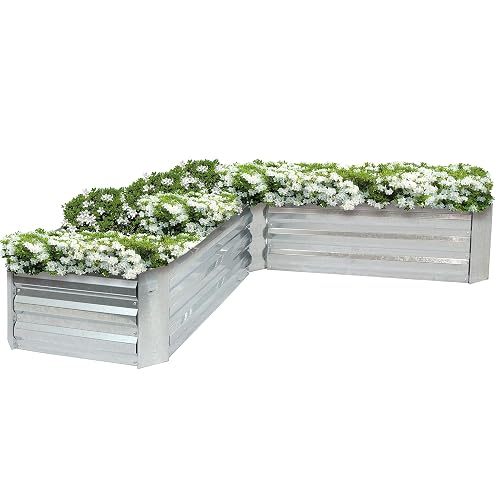
Untreated cedar, redwood and rot-resistant hardwoods are popular because they last several years without chemical treatment. Pressure-treated lumber sold for ground contact is also used by many gardeners, though you should confirm current treatment standards with your local supplier. Galvanized steel and composite panels offer long life. Whatever you choose, plan for boards that are at least one inch thick and securely fastened at the corners, with a stake or brace every four feet on longer sides to resist bowing from soil pressure.
Before you order lumber, calculate soil volume. A 4 x 8 bed at 12 inches deep holds about 32 cubic feet. The Raised Garden Soil Calculator: How Much Soil Your Beds Need makes this math quicker for multiple beds.
Materials and Tools Checklist
- Lumber cut to your planned lengths, plus extra for corner posts and bracing
- Exterior-rated deck screws or galvanized nails
- Drill/driver, tape measure, speed square and level
- Landscape fabric or cardboard for weed suppression at the base
- Soil mix sufficient for the total bed volume
- Stakes or a simple grid for marking planting spacing
Step 5: Fill the Beds Correctly
A common approach is to fill beds with a mix that combines topsoil, compost and an aeration material. Many gardeners aim for roughly 60 percent quality topsoil, 30 percent compost and 10 percent aeration additive, though the right ratio depends on your local conditions. Layering is another option. Filling the bottom third with coarse organic material such as chopped leaves or straw, then adding soil on top, can reduce the amount of purchased mix you need over time. The walkthroughs in Raised Bed Garden Soil Composition: A Step-by-Step Guide for Vegetables and Raised Garden Bed Soil Layers: A Step-by-Step Guide for Vegetables cover both methods in detail.
Common Mistakes to Avoid
- Making beds wider than you can reach. Anything beyond four feet tends to get stepped on.
- Skipping paths. Without defined walkways, soil compacts and weeds spread.
- Choosing shallow beds for deep-rooted crops. Carrots and tomatoes need depth.
- Using untreated garden soil from the yard as the main fill. It often compacts and drains poorly inside a bed.
- Forgetting drainage at the base. Solid bottoms on poorly drained ground can hold water.
- Planning without a scale drawing. Paper plans catch spacing errors before you buy lumber.
Recommended gear
A few tools make the building and planning steps easier, especially if you are new to carpentry.
- Cordless drill/driver: Speeds up assembly and makes driving screws into thick lumber far less tiring. View on Amazon
- Digital soil moisture meter: Helps you check whether the bed needs water before you commit to a watering schedule. View on Amazon
- Galvanized deck screws: Resist corrosion from moist soil and lumber treatments, which helps beds last longer. View on Amazon
Tips for Better Results
- Build beds in late winter or early spring so they are ready when the soil warms, usually a few weeks before your last frost date.
- Label each bed with its planting plan and rotation history in a garden notebook.
- Add a drip line or soaker hose during construction, since it is far easier to install before the soil is in place.
- Leave a small gap of about one inch between boards on some designs to improve airflow, though sealed corners are more common.
FAQ
What is the best size for raised garden beds?
A 4 x 8 foot bed at 10 to 12 inches deep is the most common choice. It balances reach, lumber cost in terms of practical handling and room for a wide range of vegetables.
How deep should a raised garden bed be?
Six to eight inches suits lettuce and herbs, while 12 inches or more is better for tomatoes, peppers, carrots and potatoes. Deeper beds also drain differently, so match depth to what you plan to grow.
How wide should the paths between raised beds be?
Plan for at least 24 inches for foot traffic and 30 inches if you use a wheelbarrow or garden cart.
Do raised beds need a bottom?
Most gardeners leave the bottom open to native soil so roots can go deeper and drainage works naturally. Landscape fabric or cardboard can block weeds without sealing the base.
Which direction should raised beds face?
Long beds running north to south usually let both sides receive even sunlight through the day. Confirm the sun pattern in your own yard before deciding.
Can I use treated lumber for vegetable beds?
Modern pressure-treated wood is commonly used, but many gardeners prefer untreated cedar or other rot-resistant wood. Check current guidance from your local extension office if you have concerns about chemicals near food crops.
How much soil do I need for a raised bed?
Multiply length, width and depth in feet to get cubic feet, then divide by 27 for cubic yards. A 4 x 8 x 1 foot bed needs about one cubic yard.
Conclusion
Strong raised garden beds design plans come down to sun exposure, a four-foot width for easy reach, adequate depth for your crops and clear walkways. Sketch your layout to scale, calculate your materials and soil volume, then build in stages. A little planning up front makes every season that follows easier, and your beds will reward you with healthier plants and less work.
Ready to choose one?
About Graham Fisher
Graham Fisher is part of our editorial team and reviews and edits our vegetable & edible gardening guides, checking product details against manufacturer specifications and owner feedback.