 By Ethan Brooks
Updated November 2026
Gardeners who search for garden soil and sand usually have one of three problems: heavy clay that stays soggy, a lawn with low spots that hold water, or a container mix that drains too slowly for succulents and herbs. The right sand can help with all three, but not every bag labeled “sand” works in a garden. This guide compares six products based on their listed composition, intended use, particle type, and the patterns owners commonly report. Each pick was chosen against four criteria: what the product is made of, whether it suits a specific garden task, how clearly the manufacturer describes its use, and how well it fits the needs of different gardeners.
Our top picks at a glance
- 1
 TOP CHOICEBest overallMosser Lee ML1113 Desert Sand 7 lb.View on Amazon
- 2
 TOP CHOICEBest for indoor succulents and cactus mixesFine Sand for Plants – Horticultural Sand for Succulents, Cactus, PottView on Amazon
- 3
 TOP CHOICEBest budget pickFor crafting, sand art, and educational projects Pure Original IngrediView on Amazon
- 4
 Best for clay soil amendmentGreensand 5 Pounds Natural Soil Amendment for Garden & Lawns, Rich inView on Amazon
- 5
 Best for lawn levelingLawnLevel Premium Lawn Leveling Sand, 40 lb Green-Dyed Topdressing MixView on Amazon
- 6
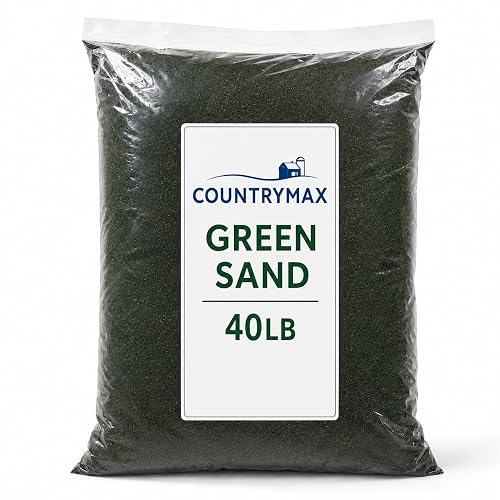 Best for mineral-rich soil buildingNatural Organic Greensand Fertilizer Rich in Potassium, Iron & Trace MView on Amazon
Our Top Picks
Quick Comparison
| Product | Best for | Key feature |
|---|---|---|
| Mosser Lee ML1113 Desert Sand 7 lb. | Mixing into potting soil and container blends | Fine, uniform desert sand in a convenient 7 lb bag |
| Fine Sand for Plants – Horticultural Sand | Succulents, cactus, and indoor terrariums | Horticultural grade sized for fast drainage |
| Pure Original Ingredients Potting & Garden Sand | Small projects and light container mixing | Small, low-cost bag for trial use |
| Lancaster Agriculture Greensand | Improving clay and sandy soil structure | Natural glauconite rich in potassium and iron |
| LawnLevel Premium Lawn Leveling Sand | Filling low spots and topdressing turf | Green-dyed topdressing mix for even lawn surfaces |
| Natural Organic Greensand Fertilizer | Long-term mineral supply in garden beds | Slow-release potassium and trace minerals |
Mosser Lee ML1113 Desert Sand 7 lb.
Mosser Lee ML1113 Desert Sand 7 lb.
Best for: Mixing sand into potting soil and container blends for better drainage
This is a good fit for gardeners who want to adjust a container mix or raised bed blend without buying a large bulk quantity. Desert sand is typically fine and rounded, which tends to behave differently from coarse builder’s sand in a root zone.
Key specs
- Product type: desert sand
- Package size: 7 lb
- Intended use: decorative and garden mixing, as described in the listing
Pros
- Fine, consistent texture that blends evenly into potting mixes
- Manageable bag size for small containers and trial mixes
- Widely recognized brand name in craft and garden supply
Cons
- Not sold as a horticultural grade, so check suitability for your specific plants
- Smaller quantity may not cover larger raised bed projects
Bottom line: A practical choice for container gardeners who want to test sand-amended mixes before scaling up.
Fine Sand for Plants – Horticultural Sand for Succulents, Cactus, Potting Mixes, Terrariums & Decorative Indoor Gardens, Made in USA (3 quarts – 8.4 lbs)
Fine Sand for Plants – Horticultural Sand for Succulents, Cactus, Potting Mixes, Terrariums & Decorative Indoor Gardens, Made in USA (3 quarts – 8.4 lbs)
Best for: Succulents, cactus, and indoor terrariums that need fast drainage
This product is aimed at indoor growers and container gardeners who need a clean, horticultural-grade sand for drainage layers and fast-draining potting mixes. Succulents and cacti are especially sensitive to waterlogged roots, so a dedicated horticultural sand is often a safer starting point than generic craft sand.
Key specs
- Package size: 3 quarts (8.4 lbs)
- Marketed as horticultural sand for plants and potting mixes
- Listed as made in the USA
Pros
- Labeled specifically for plant and potting use
- Good volume for multiple small containers
- Clear use case for succulent and cactus mixes
Cons
- Quantity is modest for large in-ground projects
- Indoor-focused, so less suited to outdoor bed amendment
Bottom line: The best match for gardeners growing succulents, cacti, or indoor plants who need a predictable drainage material.
For crafting, sand art, and educational projects Pure Original Ingredients, Potting & Garden Sand, 2 Lb
For crafting, sand art, and educational projects Pure Original Ingredients, Potting & Garden Sand, 2 Lb
Best for: Small trial batches and light container mixing on a limited budget
This is a small-volume option for gardeners who want to try sand in a potting mix before committing to a larger purchase. It also suits children’s garden projects and classroom use, which the listing title reflects.
Key specs
- Package size: 2 lb
- Listed for potting, garden, and craft use
- Marketed with pure, original ingredients
Pros
- Small bag makes it easy to test a ratio before scaling up
- Versatile across crafts and garden uses
- Straightforward option for a budget pick
Cons
- Quantity is too small for raised beds or lawn work
- Grain specifications are less detailed than horticultural-grade products
Bottom line: Good for a quick experiment or a single small container. Pick a larger product if you plan to amend beds.
Greensand 5 Pounds Natural Soil Amendment for Garden & Lawns, Rich in Potassium & Iron, Improves Soil Structure & Water Retention by Lancaster Agriculture Products
Greensand 5 Pounds Natural Soil Amendment for Garden & Lawns, Rich in Potassium & Iron, Improves Soil Structure & Water Retention by Lancaster Agriculture Products
Best for: Improving clay and sandy soil structure over time
Greensand is a mineral (glauconite) rather than plain silica sand, and it is typically used to supply potassium and iron while helping soil hold moisture and nutrients. It is a different tool from drainage sand, so it suits gardeners whose main problem is poor soil structure and nutrient retention rather than standing water.
Key specs
- Package size: 5 lb
- Natural soil amendment for gardens and lawns
- Listed as rich in potassium and iron
Pros
- Adds minerals as well as structure
- Natural, mineral-based amendment
- Useful across beds and lawns
Cons
- Works slowly, so results appear over seasons rather than weeks
- Not a substitute for drainage sand in waterlogged containers
Bottom line: A strong choice for gardeners rebuilding heavy or depleted soil who want a mineral-based amendment.
LawnLevel Premium Lawn Leveling Sand, 40 lb Green-Dyed Topdressing Mix for Grass, Fills Low Spots, Smooths Uneven Lawns, Improves Mowing, Professional Grade
LawnLevel Premium Lawn Leveling Sand, 40 lb Green-Dyed Topdressing Mix for Grass, Fills Low Spots, Smooths Uneven Lawns, Improves Mowing, Professional Grade
Best for: Filling low spots and topdressing lawns
This product is a topdressing sand designed for turf rather than vegetable beds. It is useful for gardeners whose vegetable garden sits next to a lawn, or who want to level a yard before planting edges and paths. Use it on turf and keep it out of vegetable root zones unless you have confirmed suitability.
Key specs
- Package size: 40 lb
- Green-dyed topdressing mix for grass
- Marketed for filling low spots and smoothing lawns
Pros
- Large bag suited to lawn leveling jobs
- Dye helps you see coverage on turf
- Clearly labeled for a specific lawn purpose
Cons
- Not intended for vegetable bed mixing
- Heavy 40 lb bag is harder to move without help
Bottom line: Best for gardeners leveling turf around their vegetable area, not for amending the beds themselves.
Natural Organic Greensand Fertilizer Rich in Potassium, Iron & Trace Minerals for Strong Root Growth & Turf Health Green Sand Soil Amendment 40 lb Natural Glauconite 0-0-3
Natural Organic Greensand Fertilizer Rich in Potassium, Iron & Trace Minerals for Strong Root Growth & Turf Health Green Sand Soil Amendment 40 lb Natural Glauconite 0-0-3
Best for: Long-term mineral supply in garden beds and turf
This greensand product is listed as a glauconite-based fertilizer with a 0-0-3 analysis, meaning it supplies potassium rather than nitrogen or phosphorus. It fits gardeners who want a slow mineral source across a larger area and who already manage nitrogen separately.
Key specs
- Package size: 40 lb
- Listed analysis: 0-0-3 (potassium-focused)
- Natural glauconite source with iron and trace minerals
Pros
- Large bag covers bigger beds and lawn areas
- Potassium-focused analysis is clearly stated
- Mineral source that works slowly over time
Cons
- Does not supply nitrogen, so pair it with a separate fertilizer
- Heavy bag and slow action may not suit quick fixes
Bottom line: A practical mineral amendment for established gardens that need a potassium boost, not a drainage fix.
Buying Guide
Particle type and grain size
Not all sand behaves the same in soil. Builder’s sand is often coarser and angular, while horticultural and desert sands are usually finer and more uniform. Coarse, angular particles create pore space, but very fine sand can compact and make clay worse. For drainage, look for a sand described as horticultural or coarse rather than fine masonry sand. Mixing a clay soil with sand in the wrong ratio can produce something close to concrete, so test small batches first.
Good picks for this: Fine Sand for Plants Horticultural Sand, Mosser Lee Desert Sand
Intended use: drainage, amendment, or topdressing
Decide what job you need done before you shop. Drainage sand goes into potting mixes and container layers. Amendment products like greensand improve structure and supply minerals over time. Topdressing sand is spread on turf to fill low spots. Using the wrong category can waste money or harm plants, so match the product to the task.
Good picks for this: Lancaster Agriculture Greensand, LawnLevel Premium Lawn Leveling Sand
Bag size and coverage
Calculate volume before buying. A raised bed 4 feet by 8 feet and 12 inches deep holds about 32 cubic feet of soil. If you want a 20 percent sand amendment, you need roughly 6.4 cubic feet of sand. Small bags suit containers and trials, while 40 lb bags are better for lawns and larger beds. Check the listed weight and convert to volume if you are planning a precise ratio.
Good picks for this: Pure Original Ingredients Potting & Garden Sand, Natural Organic Greensand Fertilizer
Plant sensitivity and horticultural suitability
Succulents, cacti, and Mediterranean herbs need fast drainage, so they benefit from clean horticultural sand. Vegetables that prefer moisture, such as lettuce and cucumbers, generally do better with amendments that improve structure rather than pure drainage sand. Always check whether a product is described for plant or potting use before adding it to a root zone.
Good picks for this: Fine Sand for Plants Horticultural Sand, Lancaster Agriculture Greensand
Mineral content and fertility
Greensand and similar mineral products add potassium and trace elements. The nutrient analysis, often shown as N-P-K, tells you what to expect. A 0-0-3 analysis supplies potassium only, so you will still need nitrogen and phosphorus from other sources. Mineral amendments act slowly, so plan for multi-season use rather than an immediate fix.
Good picks for this: Natural Organic Greensand Fertilizer, Lancaster Agriculture Greensand
Handling, weight, and storage
Sand is heavy. A 40 lb bag is manageable for most gardeners, but moving several at once can strain the back. Store sand in a dry location with the bag sealed, since moisture can cause clumping and make it harder to mix evenly. For large projects, consider buying from a local landscape supplier, but confirm the material description before purchase.
Good picks for this: LawnLevel Premium Lawn Leveling Sand, Mosser Lee Desert Sand
Safety and dust
Some sands contain fine silica dust that can irritate lungs when inhaled. Wear a dust mask when pouring or mixing dry sand, and wet the material lightly if dust is heavy. Avoid breathing airborne silica, and follow the label directions. If you have a respiratory condition, consult a healthcare professional before handling large quantities of fine sand.
Good picks for this: Fine Sand for Plants Horticultural Sand, Pure Original Ingredients Potting & Garden Sand
FAQ
Can I mix sand into garden soil for drainage?
Yes, but only in the right way. Adding sand to heavy clay in small amounts can make it worse by creating a concrete-like mix. Better results come from adding organic matter such as compost alongside coarse sand, or from building raised beds with a suitable blend. Test a small section before amending a whole bed.
What is the best sand for vegetable beds?
Coarse horticultural sand or greensand are the most common choices. Coarse sand improves drainage, while greensand supplies minerals and helps soil hold nutrients. Avoid fine play sand, which can compact. Choose based on whether your bed drains poorly or lacks nutrients.
Is play sand safe for garden soil?
Play sand is often very fine and can compact in soil, reducing drainage. It may also contain additives. Horticultural sand is generally a more predictable choice for plants. Check the product description for intended use before adding any sand to a garden bed.
How much sand should I add to garden soil?
A common approach for container mixes is a ratio of about one part sand to two parts potting soil and compost, though exact ratios depend on the plants. For in-ground beds, soil tests and drainage observation are more reliable than fixed formulas. Consider a soil test through your local cooperative extension office.
Will sand fix a lawn with low spots?
Topdressing sand can fill low spots when applied in thin layers, usually no more than about a quarter inch at a time, so grass is not smothered. Spread it evenly and water it in. Repeat over several weeks rather than applying one thick layer.
Does greensand replace fertilizer?
Not fully. Greensand supplies potassium and trace minerals but usually no nitrogen. Use it alongside a nitrogen source, such as compost or a balanced fertilizer, and base your plan on a soil test.
Is sand safe to handle around edible plants?
Horticultural sand intended for plants is generally suitable for vegetable beds. Wash your hands after handling, and wear a dust mask when pouring dry material. For questions about specific contaminants or food safety, consult your local cooperative extension office.
Conclusion
Choosing the right garden soil and sand depends on your specific problem. For drainage in containers and succulent mixes, the Fine Sand for Plants horticultural sand is a clear match, and Mosser Lee Desert Sand suits gardeners who want a fine, blendable option. For improving clay or depleted soil over time, Lancaster Agriculture Greensand and the Natural Organic Greensand Fertilizer add structure and minerals. For lawns and the edges of vegetable plots, LawnLevel Premium Lawn Leveling Sand handles turf leveling, while the Pure Original Ingredients bag works well for small trials. Match the product to the job, test small batches, and build from there.
Sources
- Research-based guidance on soil texture, drainage, and amendment practices from land-grant university extension programs (extension.org)
- Soil survey and soil health resources for understanding texture and structure (usda.gov)
- Workplace guidance on respirable crystalline silica and dust control (osha.gov)
Related reading
- Garden Soil Types: Sand, Silt, Clay and Loam
- Vegetable Garden Mix Soil: 8 Best Picks for Raised Beds and Containers
- Top 7 Soils for Raised Vegetable Garden Beds: Compared for 2026
- Top 7 Organic Raised Bed Garden Soil Picks for Healthy Vegetables
- Top 7 Miracle-Gro Organic Raised Bed & Garden Soil Picks for 2026
- Sta-Green Flower & Vegetable Garden Soil: 7 Best Picks for 2026
About Ethan Brooks
Ethan Brooks is part of our editorial team and reviews and edits our vegetable & edible gardening guides, checking product details against manufacturer specifications and owner feedback.


