By Ethan Brooks
Updated November 2026
Garden soil vs potting soil vs potting mix is a choice most growers face before their first container or raised bed. Garden soil is dense, mineral-based dirt meant for in-ground planting. Potting soil and potting mix are lighter, soilless blends built for pots and containers. If you are filling raised beds or planting in the ground, garden soil or a bed-grade blend usually wins. If you are growing in containers, a potting mix is almost always the better pick, and potting soil sits in between depending on the brand.
Part of the confusion comes from the labels. Retailers use “potting soil,” “potting mix” and “potting medium” interchangeably, and there is no federal standard that forces one meaning on all of them. Read the ingredient list. A product built from peat or coir, perlite, vermiculite and compost is a soilless mix. A product that lists topsoil or loam as the main ingredient is closer to garden soil, even if the bag says “potting.”
Quick Comparison at a Glance
| Criterion | Garden Soil | Potting Soil | Potting Mix |
|---|---|---|---|
| Main ingredients | Topsoil, sand, clay, compost | Peat or coir, bark, some compost, sometimes added soil | Peat or coir, perlite, vermiculite, fertilizer |
| Texture | Dense, can compact | Light, fluffy | Very light, airy |
| Drainage | Moderate to slow in pots | Good | Excellent |
| Water retention | High | Moderate to high | Moderate, dries faster |
| Built-in nutrients | Varies, often low | Often includes starter fertilizer | Usually includes slow-release fertilizer |
| Sterility | Not sterile; can carry weed seeds and pathogens | Generally low pathogen load | Generally low pathogen load |
| Best for | In-ground beds, large raised beds, amending clay | Containers, seed starting, general potting | Containers, seed starting, hanging baskets, indoor plants |
Composition: Which Option Has the Most Useful Ingredients?
Winner: depends on the job. For soil structure in the ground, garden soil wins because it provides mineral particles that a soilless mix cannot. For a sealed container, a potting mix wins because it is engineered for that environment.
Garden soil is a mineral soil. Its particles are sand, silt and clay, and its organic content depends on the source. Good topsoil might be 3 to 6 percent organic matter, while poor fill dirt may have almost none. That mineral framework is what gives in-ground soil its bearing capacity and its ability to hold nutrients on clay particles.
Potting mix is organic-heavy by design. A typical formula is built from sphagnum peat or coconut coir as the base, with perlite or pumice for aeration and sometimes vermiculite for moisture holding. Many mixes add a measured dose of fertilizer and lime. Potting soil often sits between these two: it may contain some loam or compost, but usually less mineral content than garden soil and more organic material than the average bagged topsoil.
The practical takeaway is that soilless mixes carry no native nutrient reserve beyond what is added at manufacture, so they need regular feeding. Garden soil can hold nutrients for longer, but only if it has enough clay or organic matter to do so.
Drainage and Aeration: Which Option Drains Best?
Winner: potting mix. It drains and aerates better than the other two, which matters most in containers where water cannot escape downward into native soil.
Garden soil compacts easily once it is in a pot. Soil that drains well in a bed can turn into a waterlogged brick in a 10-inch container after a few heavy rains. Roots need air as well as water, and dense soil squeezes out the air pockets within a few weeks of watering.
Potting soil drains reasonably well because of its organic base and some added aeration material. Potting mix goes further, with perlite or pumice making up a large share of the volume. In a typical 12-inch pot, a potting mix will drain quickly enough that you can water until it runs out the bottom without leaving the roots sitting in standing water. Always use a container with drainage holes, regardless of which medium you choose.
Water Retention: Which Option Holds Moisture Best?
Winner: garden soil in the ground, and potting soil in containers. Potting mix holds less water per volume than either, which helps prevent rot but means it needs watering more often.
Clay-rich garden soil holds a lot of water, sometimes too much. Sandy garden soil drains quickly and can dry out in a day during summer. Amending either type with compost usually improves water-holding capacity without creating the waterlogging problems that pure clay causes.
Potting soil with coir or peat holds moisture well, and it stays evenly damp for longer than a fast-draining mix. Potting mix with a high perlite share drains and dries faster. In hot weather, containers filled with potting mix may need watering once or twice a day, especially small pots and hanging baskets. Mulching the surface with shredded bark or straw slows evaporation noticeably.
Nutrients and Fertilization: Which Option Feeds Plants Best?
Winner: potting mix for short-term convenience, garden soil for long-term fertility. Neither wins outright, because the right answer depends on how much feeding you are willing to do.
Most quality potting mixes include a starter charge of slow-release fertilizer that feeds plants for several weeks, often around six to eight weeks depending on the product and temperature. After that, you need to supplement with a liquid or granular fertilizer. Manufacturers typically recommend feeding every two to four weeks once the initial charge runs out.
Garden soil varies widely. A well-maintained vegetable bed with a few years of compost additions can supply a lot of nutrients on its own. A new bed filled with subsoil or poor fill may offer almost nothing. A soil test from your local cooperative extension office is the most reliable way to know what you have. Testing typically costs little and tells you the pH and major nutrient levels so you can amend precisely rather than guessing.
Pathogens and Weed Seeds: Which Option Is Cleanest?
Winner: potting mix and potting soil, because they are generally manufactured in a controlled way and carry fewer weed seeds and soilborne diseases.
Garden soil can bring weed seeds, nematodes, fungal spores and bacteria into a container. Once those organisms are established in a pot, they are hard to remove. Soilless mixes are not sterile, but manufacturers typically heat or process their components to reduce these risks. Do not assume any bagged product is pathogen-free, and avoid reusing old potting soil without refreshing it.
For raised beds, garden soil is acceptable if it comes from a reputable source and you watch for weeds. For seed starting, potting mix is the safer choice because seedlings are especially vulnerable to damping-off disease.
Weight and Handling: Which Option Is Easiest to Move?
Winner: potting mix, by a wide margin. It is far lighter than garden soil, which matters for balconies, rooftop gardens and anyone lifting bags by hand.
Garden soil, especially when it is damp, can weigh a great deal per cubic foot. A large raised bed filled with dense garden soil may require several tons of material. Potting mix stays light even when moist, which makes it easier to carry and fill containers without straining your back.
Cost-Effectiveness for Large Projects: Which Option Scales Best?
Winner: garden soil or a bulk topsoil blend for large beds. Potting mix becomes expensive when you need many cubic feet, though it remains the right choice for containers.
Filling a 4-by-8-foot raised bed that is 12 inches deep requires about 32 cubic feet of material. Doing that with premium bagged potting mix quickly becomes impractical. Many gardeners fill the lower portion of a deep bed with cheaper fill and reserve a quality blend for the top 6 to 8 inches where roots concentrate. Compare by cubic foot and check whether a supplier will deliver bulk material to save on trips.
Which Should You Choose?
- Choose garden soil if you are filling in-ground beds, large raised beds, or you want to improve heavy clay with mineral and organic material.
- Choose potting soil if you want a general-purpose container medium that holds moisture well and includes some starter nutrients.
- Choose potting mix if you grow in containers, hanging baskets, window boxes, or indoor pots and need excellent drainage and light weight.
- Choose potting mix for seed starting because it is cleaner and less prone to damping-off.
- Blend garden soil and potting mix for raised beds, such as a 1:1 ratio, when you want structure and aeration without buying all bulk potting mix.
- Choose a labeled vegetable or raised bed mix if you want a middle path: more organic matter than garden soil, more structure than standard potting soil.
For a closer look at specific products in each category, see our guides to 7 Best Garden Soil Potting Mix Picks for Containers and Beds in 2026 and Top 7 Vege Garden Soil Mix Picks for Raised Beds and Containers.
Product Options for Each Medium
Garden soil: Bulk topsoil or a garden soil blend is the typical choice for in-ground and raised bed work. Look for products labeled as garden or topsoil with a clear ingredient list. View on Amazon
Potting soil: A general-purpose potting soil with added compost works well for mixed containers and beds. View on Amazon
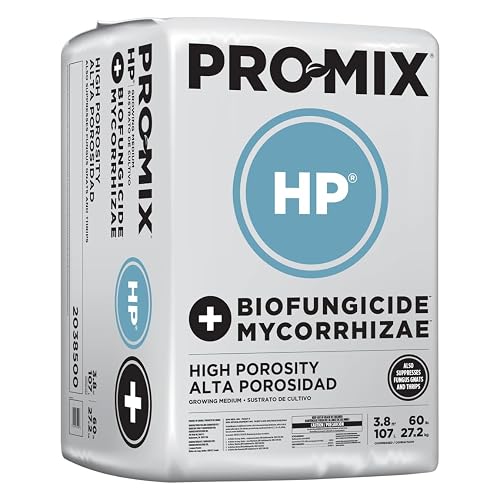
Potting mix: A peat or coir based soilless mix with perlite and starter fertilizer is the standard for containers and seed starting. View on Amazon
Use these as starting points and compare ingredient lists before buying, since formulas change over time.
FAQ
Can I use garden soil in containers?
You can, but it often performs poorly. Garden soil compacts in pots, drains slowly and can carry pests and weed seeds. If you must use it, mix it with perlite or a potting mix at roughly one part soil to two parts amendment, and use a container with excellent drainage. For most container plants, a soilless potting mix is the more reliable choice. For more detail, see Can I Use Garden Soil for Potting? Why It Often Fails and What to Use.
Is potting soil the same as potting mix?
Not always. The names are used loosely. Potting mix is typically soilless, built from peat or coir, perlite and fertilizer. Potting soil may contain some real soil or compost. Check the ingredient list rather than relying on the label name.
Can I mix garden soil and potting mix together?
Yes, and it is a common approach for raised beds. A 1:1 blend gives you mineral structure from the garden soil and aeration and moisture balance from the potting mix. Keep in mind that the blend will still need feeding during the season, and it is wise to test the mix if you are unsure of the garden soil’s quality.
Which medium is best for growing tomatoes?
For tomatoes in containers, a quality potting mix or potting soil with added compost works well, with a container of at least 5 gallons and drainage holes. For raised beds, a garden soil blend with plenty of organic matter is typically better, since tomato roots spread widely and benefit from deep, fertile soil. Tomatoes also need steady feeding, so plan on supplementing either option.
How often should I replace potting mix in containers?
Many gardeners refresh the top few inches each year and replace the whole mix every one to two years. Soilless mixes break down over time, lose structure and become depleted of nutrients. Reusing mix from a diseased plant is not advisable. If you are unsure, a simple test is whether water runs through quickly and the mix still feels airy when you press it.
Conclusion
When comparing garden soil vs potting soil vs potting mix, the answer depends on where the plants will grow. Garden soil suits in-ground planting and large raised beds, where mineral structure and bulk volume matter. Potting soil works as a general container medium with moderate drainage and some built-in nutrients. Potting mix is the best all-round pick for containers, seed starting and any situation where drainage and light weight count most. Match the medium to the setting, feed it on schedule, and check the ingredient list before you buy. For a deeper look at garden soil specifically, you can also read Difference Between Potting and Garden Soil: What Each Does Best.
Related reading
- Garden Soil vs Potting (2026): Which Should You Choose?
- Top 5 Raised Garden Soil Mix Picks for Vegetable Beds in 2026
About Ethan Brooks
Ethan Brooks is part of our editorial team and reviews and edits our vegetable & edible gardening guides, checking product details against manufacturer specifications and owner feedback.