By Ethan Brooks
Updated November 2026
The difference between potting mix and garden soil comes down to what each one is built to do. Potting mix is a lightweight, soilless blend designed for containers, where drainage and aeration matter most. Garden soil is dense, mineral-based earth meant for planting directly in the ground or in raised beds. If you grow in pots, window boxes or grow bags, potting mix is almost always the better pick. If you are filling a large bed or amending a yard, garden soil or a garden-soil-based blend usually makes more sense.
| Criterion | Potting Mix | Garden Soil |
|---|---|---|
| Main ingredients | Peat or coir, perlite, vermiculite, compost, bark fines | Mineral particles (sand, silt, clay) plus organic matter |
| Weight when dry | Light, easy to lift and move | Heavy, especially when wet |
| Drainage | Fast, resists waterlogging in pots | Slower, can compact in containers |
| Aeration for roots | High, roots get plenty of oxygen | Variable, depends on texture |
| Sterility | Generally sterile or pasteurized | May carry weed seeds, pests and pathogens |
| Built-in nutrients | Often includes starter fertilizer, usually fed later | Depends on the site; often needs amendment |
| Water retention | Holds moisture but drains freely | Holds more water, especially clay-heavy soil |
| Best use | Containers, raised beds (in blends), seed starting | In-ground planting, large beds, landscaping |
Ingredients: Soilless Blend vs Mineral Earth
The biggest difference is what the material is made of. Potting mix is a soilless medium. It contains little or no native mineral soil. A typical blend uses sphagnum peat moss or coconut coir as the base, mixed with perlite or vermiculite for air pockets, and sometimes composted bark or compost for organic matter. Because there is no natural soil in it, it starts out with a known, consistent structure every time you open a bag.
Garden soil is the opposite. It is a living, mineral-rich material formed over years. Its texture depends on the ratio of sand, silt and clay, and its organic content depends on how the land has been managed. Many bagged “garden soils” are actually blends of topsoil, compost and sand, so the label matters. Read the ingredient list before you buy.
Winner for ingredients: Potting mix, if you want a predictable, uniform medium for pots. Garden soil wins only if you are trying to match the natural conditions of a planting site.
Drainage and Aeration: Which Keeps Roots Healthier?
Drainage is where potting mix pulls clearly ahead. In a container, water has nowhere to go except out the bottom hole. Potting mix is designed so water moves through quickly while still leaving enough moisture around the roots. Garden soil, particularly one with a lot of clay or silt, can stay saturated in a pot. That leads to low oxygen levels and root rot, a common reason container plants decline.
In the ground, the picture changes. Native soil drains according to its texture and the surrounding site, and it is supported by soil structure that develops over time. A raised bed filled with garden soil can drain well if the soil is loamy and amended with compost.
Practical tip: if you use garden soil in a container, mix in roughly one part perlite or coarse sand to every two to three parts soil to improve drainage. Even then, a true potting mix usually performs better in pots.
Winner for drainage and aeration: Potting mix for containers. Garden soil is acceptable for in-ground planting where the native drainage is already good.
Weight and Handling
Weight is an overlooked factor until you need to move a planter. Dry potting mix is light enough to haul by the bag and fill pots without straining your back. Garden soil, especially when wet, is heavy. A large container filled with garden soil can weigh far more than the same volume of potting mix, which matters on balconies, decks and rooftops.
Weight also affects how easily you can refill containers each season. Potting mix often compresses over time, and you may need to top it up. Garden soil compacts more, so you may need to loosen it before replanting.
Winner for weight and handling: Potting mix. It is easier to carry, fill and refresh.
Sterility, Weeds and Disease Risk
Potting mix is generally sterilized or pasteurized during manufacturing, which reduces weed seeds, soilborne fungi and many pests. That makes it a safer choice for seed starting and for containers near a clean growing area. Garden soil can bring weed seeds, nematodes, damping-off pathogens and other problems into a container with it.
This does not mean potting mix is free of risk. Some bagged products can still carry fungus gnat larvae or contamination if stored poorly. Always check that bags are dry and closed, and do not use old, damp mix that smells sour.
Winner for sterility: Potting mix. Garden soil should be used with more caution around seedlings.
Nutrients and Fertility
Potting mix usually includes a starter charge of fertilizer, often a slow-release product that feeds plants for several weeks. After that, you will need to feed container plants regularly, because nutrients leach out with every watering. Many gardeners add a balanced liquid or granular fertilizer every two to four weeks during the growing season, following the label rate.
Garden soil fertility varies widely. A healthy, well-managed bed may hold enough nitrogen, phosphorus and potassium for a season, while a neglected lawn soil may need significant amending. A soil test is the most reliable way to know what your soil needs. Your local cooperative extension office can often guide you through testing.
Winner for nutrients: Depends. Potting mix gives a fast, predictable start in containers. Garden soil can supply long-term fertility in beds if it is tested and amended.
Water Retention and Watering Habits
Potting mix holds moisture well at first but drains freely, so containers dry out faster than ground beds. You will likely water container plants daily in summer heat. Garden soil, especially clay-rich soil, holds water longer and can stay wet after rain, which is good for thirsty plants but risky if drainage is poor.
A useful check: squeeze a handful of moist potting mix. It should feel damp, not dripping, and crumble when you open your hand. Garden soil that stays muddy and forms a tight ball needs more organic matter or sand before planting.
Winner for water balance in pots: Potting mix. Garden soil holds water better in the ground, which can be an advantage in dry climates.
Cost and Value
Budget considerations matter, but the best value depends on the job. Garden soil is often purchased in bulk, which can make it efficient for filling large beds. Potting mix is usually sold in smaller bags, which suits containers and small projects. For a large raised bed, buying bulk garden soil or a bulk blend is often the practical route. For a few pots, a bag or two of potting mix is simpler.
Winner for value: Depends on volume. Use garden-based blends for big beds and potting mix for pots.
Which Should You Choose?
- Choose potting mix if you grow in pots, grow bags, window boxes, hanging baskets or self-watering containers.
- Choose potting mix for seed starting and transplants, where sterility and fine texture help.
- Choose potting mix if you need a lightweight medium for a balcony, deck or rooftop.
- Choose garden soil for in-ground planting where native drainage is already decent.
- Choose garden soil for a large raised bed, especially if you choose a blended product with compost and sand.
- Choose garden soil for landscaping, filling low spots or building up a planting area.
- Consider a mix for raised beds: many gardeners combine garden soil with compost and some potting mix to balance structure and drainage.
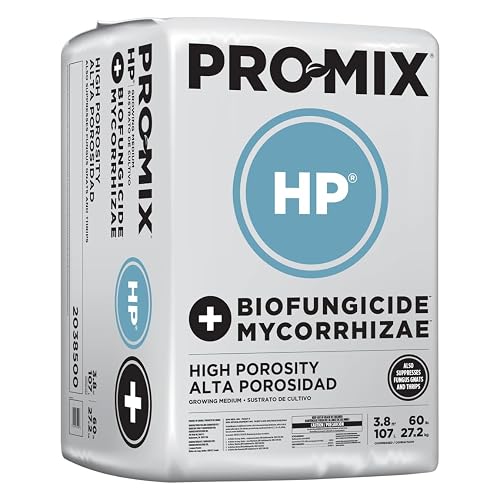
For containers, a quality potting mix is the standard choice. Look for a product labeled for containers or vegetables, and consider the Miracle-Gro Potting Mix line or a similar name-brand container mix. View on Amazon
For beds and in-ground use, a bagged garden soil or compost-based garden blend is typically the better fit. View on Amazon
If you are still deciding between mixes and in-ground options, Garden Soil vs Potting (2026): Which Should You Choose? offers a useful side-by-side. For a deeper look at the core differences, see Difference Between Potting and Garden Soil: What Each Does Best. Gardeners filling larger beds may also find Soil Mix for Raised Garden Bed: 7 Best Picks for Vegetables (2026) helpful, and those thinking about shopping by volume can read Garden Soil Large Quantity: How to Buy, Mix and Spread It.
FAQ
Can I use garden soil instead of potting mix in containers?
You can, but it often leads to poor drainage, compaction and root problems. Garden soil is heavy and can stay waterlogged in a pot. If you must use it, mix in perlite or coarse sand and monitor watering closely. Can I Use Garden Soil for Potting? Why It Often Fails and What to Use explains the risks in more detail.
Can I use potting mix in my vegetable garden bed?
Plain potting mix can work as a top layer or as part of a blend in a raised bed, but it is expensive to fill a large bed with it and it dries out quickly. Many gardeners mix it with compost and topsoil to balance structure and fertility.
Does potting mix contain soil?
Most potting mixes do not contain native mineral soil. They are soilless blends built from peat or coir, perlite, vermiculite, bark and sometimes compost. That is why they are sterile and light.
Is potting mix or garden soil better for seed starting?
Potting mix is the better choice. Its fine texture, sterility and good moisture balance help seeds germinate without damping-off. Garden soil is usually too dense and may carry pathogens.
How often should I replace potting mix in containers?
Many gardeners refresh container mix every one to two seasons, or sooner if plants struggled. Over time, the mix breaks down and loses structure. You can top it up with fresh potting mix and compost each spring, following the label instructions for your product.
Conclusion
The difference between potting mix and garden soil is mainly about structure, drainage and purpose. Potting mix is light, sterile and built for containers. Garden soil is heavy, mineral-based and suited to planting in the ground or in large beds. Use potting mix for pots and seed starting, use garden soil or a garden-based blend for beds, and test your soil if you are planting directly in the yard. Matching the medium to the planting method will do more for your harvest than any other single choice.
Related reading
- Top 7 Vege Garden Soil Mix Picks for Raised Beds and Containers
- Top 5 Raised Garden Soil Mix Picks for Vegetable Beds in 2026
About Ethan Brooks
Ethan Brooks is part of our editorial team and reviews and edits our vegetable & edible gardening guides, checking product details against manufacturer specifications and owner feedback.