By Ethan Brooks
Updated November 2026
Potting soil and garden soil are not interchangeable, and knowing what is difference between potting soil and garden soil can save a container crop or a whole raised bed. Potting soil is a soilless, lightweight mix built for pots and containers, while garden soil is dense, mineral-based earth meant for in-ground planting. If you grow in containers, windowsills or hanging baskets, potting soil wins. If you are filling a raised bed or amending a planting area in the ground, garden soil or a bed-specific blend usually wins.
Side-by-Side Comparison Table
| Criteria | Potting Soil | Garden Soil |
|---|---|---|
| Main ingredients | Peat or coir, perlite, vermiculite, compost, bark fines | Mineral sand, silt, clay, native organic matter |
| Texture when dry | Light, fluffy, spongy | Heavy, dense, can crust |
| Drainage | Fast, prevents waterlogging in pots | Slower, can compact in containers |
| Water retention | High, holds moisture between waterings | Moderate to high, depends on clay content |
| Nutrients | Often pre-fertilized, usually lasts 4–8 weeks | Variable; depends on the source and any amendments |
| Weed seeds and pathogens | Generally low, sterilized or pasteurized | Can contain weed seeds, soilborne disease, pests |
| Best setting | Pots, grow bags, hanging baskets, indoor seed starting | In-ground beds, large raised beds, landscaping |
| Weight | Light, easy to lift and move | Heavy, especially when wet |
Ingredients and Structure: Winner: Potting Soil for Containers
The biggest difference is what each mix is made from. Potting soil contains no native topsoil. Instead it uses organic and inorganic components that trap air and water without packing down. Peat moss or coconut coir provides moisture-holding bulk, perlite adds air pockets, and vermiculite holds nutrients on its surface. Garden soil, by contrast, is the living ground beneath your lawn or planting area, made of mineral particles that vary widely from site to site.
Because of that structure, potting soil keeps roots supplied with air even when a pot is watered heavily. Garden soil in a small container tends to settle, shrink and seal over a season. For containers, potting soil is the clear winner on structure. For open ground, the mineral make-up of garden soil is an asset, since roots can push through it and soil organisms can establish themselves.
Drainage and Aeration: Winner: Potting Soil
Drainage is where potting soil earns its reputation. A pot has a single drainage hole at the bottom, so water has to escape quickly or roots sit in water and rot. Potting mix drains freely while still holding enough moisture for a day or two between waterings in warm weather. Garden soil with a high clay content drains slowly and can turn to a soggy brick in a container.
In raised beds, the picture changes. Garden soil blended with compost can drain well because the bed sits above the native ground and water moves through the bed and into the surrounding soil. Many gardeners fill beds with a blend of topsoil, compost and some potting mix. If you are filling a bed, do not assume a pure bag of potting soil is necessary. The best mix will depend on how wet your region is and how deep the bed is.
Water Retention: Winner: Depends on the Goal
Potting soil holds water well at the top of the pot, but it can dry out fast in full sun or wind, especially in small containers. Once a peat-based mix dries past a certain point, it can become hydrophobic and shed water rather than absorb it. Coir-based mixes handle rewetting better. Garden soil holds water according to its texture, and clay-rich soil holds more than sandy soil. For thirsty container crops like tomatoes or peppers, potting soil with added moisture-retaining amendments is the better tool. For in-ground beds, garden soil with good organic matter usually retains enough water without extra management.
Nutrition and Fertility: Winner: Potting Soil for Short-Term Feeding
Most commercial potting soils contain starter fertilizer or slow-release granules that carry plants for roughly four to eight weeks. After that, containers need regular feeding with a balanced liquid fertilizer or a side dressing of compost. Garden soil nutrient levels vary widely. A healthy loam with several percent organic matter can feed vegetables for a full season, while depleted or sandy ground may need amendments before planting. A soil test is the most reliable way to know where your garden soil stands, and many state extension offices offer testing for a modest fee.
If you are growing heavy feeders like tomatoes, squash or corn, potting soil alone will need a feeding schedule. Garden soil will need a yearly compost top-dress to keep fertility up. Neither option is complete without a plan for feeding during the season.
Weed Seeds, Pests and Disease: Winner: Potting Soil
Garden soil can carry weed seeds, nematodes, soilborne fungi such as Pythium or Fusarium, and insect larvae. Those problems are less of a concern in ground beds, where a healthy root zone can handle some pressure, but they become serious in a closed container. Potting soil is typically heat-treated or made from sterile ingredients, so it starts clean. That clean start is one of the strongest reasons to use potting mix for seedlings and small containers. Keep in mind that clean soil can become contaminated quickly if you reuse old pots or add garden dirt.
Weight and Handling: Winner: Potting Soil
A 1.5-cubic-foot bag of potting mix is light enough to carry from the car in one trip, and it can be lifted to a balcony without help. Garden soil or topsoil in the same volume weighs much more, especially when moist. For rooftop gardens, balconies or any container set on a porch, potting soil keeps structural loads manageable. For ground-level beds and landscaping, weight is less of a problem, and bulk garden soil is usually the more economical way to fill a large area.
Cost and Value: Winner: Garden Soil for Large Areas
Potting soil is sold in smaller bags with a premium price per cubic foot, which is a poor deal for filling a large raised bed. Bulk garden soil, topsoil or raised bed mixes are better value when you need many cubic yards. For a few containers or seed starting, potting soil is the practical choice because you buy only what you need and avoid paying for bulk soil that will sit unused. Compare the cost per cubic foot on the label rather than the cost per bag.
Which Should You Choose?
- Choose potting soil for containers, grow bags, hanging baskets, indoor seed starting and any container smaller than about 10 gallons.
- Choose garden soil for in-ground planting, large raised beds, landscaping and any area where you want soil organisms and deep root growth.
- Choose a blend when filling a deep raised bed: mix garden soil or topsoil with compost and some potting mix for drainage and nutrition.
- Choose potting soil for seedlings even if you plant seedlings into garden soil later, because the sterile start reduces damping-off.
- Avoid using garden soil in pots unless it is heavily amended, since it compacts and drains poorly in confined spaces.
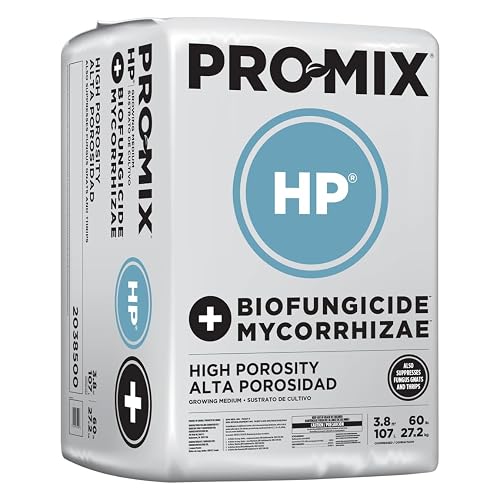
Potting soil for containers and seed starting: View on Amazon. A general-purpose garden soil option for beds and in-ground planting: View on Amazon. Both are widely available, and the right choice depends on whether your planting space is a container or a bed.
If you are still weighing options, Difference Between Potting and Garden Soil: What Each Does Best gives a quick breakdown, and Can I Use Garden Soil for Potting? Why It Often Fails and What to Use explains what happens when the two get mixed up.
FAQ
Can I use garden soil in pots?
You can, but it often fails. Garden soil compacts in a container, drains poorly and can carry pests or disease. If you must use it, blend it at no more than about one-third garden soil with potting mix and compost for better structure.
Is potting soil better than garden soil for vegetables?
It depends on where the vegetables grow. In containers, potting soil is better. In ground beds, a good garden soil or raised-bed blend is usually better because it supports deeper roots and soil life over multiple seasons.
Does potting soil contain real dirt?
Most potting soil contains no native topsoil. It is built from peat or coir, perlite, vermiculite, compost and sometimes bark. That lack of dirt is why it stays light and sterile.
How long does potting soil last in containers?
Most potting mixes lose their structure and fertility within one growing season. Plan to refresh the top few inches each spring and replace the full mix every one to two years, especially for perennials.
Should I test my garden soil before planting?
Yes. A soil test shows pH and nutrient levels, which tells you whether to add lime, sulfur or fertilizer. Results are usually available within a few weeks, and a qualified local extension office can help interpret them.
Conclusion
Potting soil and garden soil serve different jobs. Potting soil is light, sterile and built for containers, while garden soil is dense, mineral-based and suited to in-ground planting and large beds. Match the mix to the space: potting soil for pots and seedlings, garden soil or a blend for beds and ground. Once you know what is difference between potting soil and garden soil, your container crops will drain better, your roots will stay healthier and your beds will stay productive for years.
Related reading
- Difference Between Topsoil and Garden Soil (2026): Which Should You Choose?
- What Is the Best Soil for Vegetable Garden? 6 Top Picks for 2026
About Ethan Brooks
Ethan Brooks is part of our editorial team and reviews and edits our vegetable & edible gardening guides, checking product details against manufacturer specifications and owner feedback.