 By Ethan Brooks
Updated November 2026
Finding the best soil for garden boxes comes down to one thing: a mix that drains well, holds enough moisture between waterings, and feeds vegetables through a full season without much fuss. Raised beds behave differently from in-ground plots. They warm faster, dry out faster, and rely entirely on what you put in them, since there is no native subsoil to fall back on. The six options below were compared on specifications, brand reputation, the organic certifications printed on the packaging, and the patterns owners tend to describe in their feedback. None of them were tested in a home garden for this article.
Our top picks at a glance
- 1
 TOP CHOICEBest overallFoxFarm Raised Bed Planting Mix, 1.5cu ft – All-Purpose Garden Soil wiView on Amazon
- 2
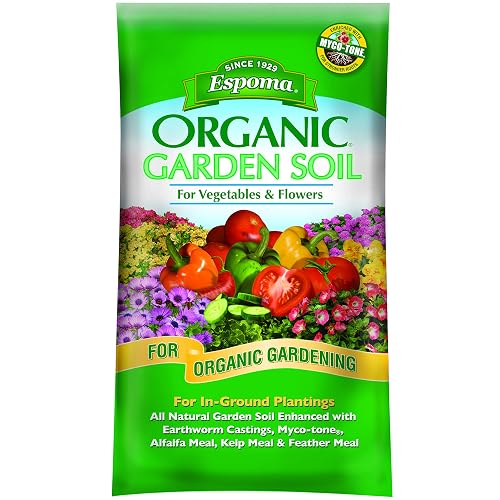 TOP CHOICEBest for organic vegetable bedsEspoma Organic Vegetable & Flower Garden Soil Natural and Organic in GView on Amazon
- 3
 TOP CHOICEBest for container-style raised bedsPlant Soil For Outdoor Container Plants, Contains Quick-Release NaturaView on Amazon
- 4
 Best budget pickBurpee Premium Organic Potting Mix Garden Soil with Coconut Coir for IView on Amazon
- 5
 Best for adding bulk and structureBack to the Roots Organic Compost for Vegetable Garden, 1 Cubic FootView on Amazon
- 6
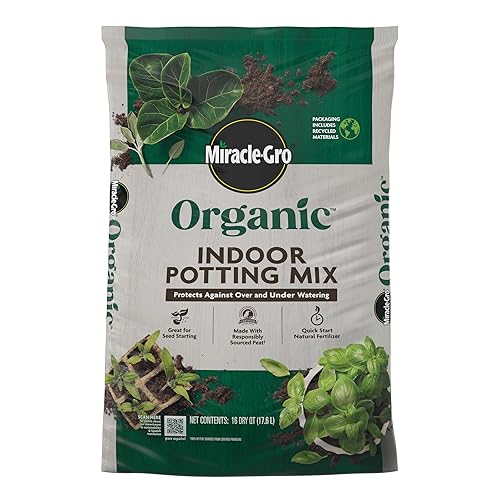 Best for indoor-to-outdoor seedlingsProtects Against Over & Under Watering, Planting Soil For Indoor ContaView on Amazon
Our Top Picks
Quick Comparison
| Product | Best for | Key feature |
|---|---|---|
| FoxFarm Raised Bed Planting Mix, 1.5 cu ft | Mixed vegetables, flowers, and herbs | Earthworm castings and oyster shell blend |
| Espoma Organic Vegetable & Flower Garden Soil, 1 cu ft | Organic in-ground and raised planting | Natural and organic formulation for planting and transplanting |
| Miracle-Gro Plant Soil For Outdoor Container Plants, 16 qt. | Outdoor containers and small raised beds | Quick-release natural fertilizer, OMRI listed |
| Burpee Premium Organic Potting Mix Garden Soil, 9 qt. | Budget-conscious vegetable and herb growing | Coconut coir base, OMRI listed |
| Back to the Roots Organic Compost, 1 cu ft | Amending existing beds and filling bulk volume | Peat-free compost blend with yucca and gypsum |
| Miracle-Gro Planting Soil For Indoor Container Plants, 16 qt. | Seedlings, starters, and houseplant-style containers | Designed to help protect against over- and under-watering |
FoxFarm Raised Bed Planting Mix, 1.5cu ft – All-Purpose Garden Soil with Earthworm Castings & Oyster Shell
FoxFarm Raised Bed Planting Mix, 1.5cu ft – All-Purpose Garden Soil with Earthworm Castings & Oyster Shell – Ready-to-Use Blend for Vegetables, Flowers, Fruits & Herbs
Best for: Mixed vegetable, flower, and herb beds that need a ready-to-use blend
This suits gardeners who want to fill a new box in one step rather than mixing components by hand. The blend is marketed as an all-purpose raised bed mix for vegetables, flowers, fruits, and herbs, so it works well for a bed that will hold a rotation of different crops.
Key specs
- Volume: 1.5 cubic feet per bag
- Contains earthworm castings and oyster shell
- Sold as a ready-to-use planting mix
Pros
- Ready to plant without blending amendments
- Earthworm castings add slow-release nutrients
- Oyster shell is commonly included to help buffer soil acidity
Cons
- Bagged mixes can settle and compact over a season, so top-dressing is usually needed
- Filling a deep bed may require several bags
Bottom line: A strong first choice for gardeners filling a new raised bed who want a balanced, ready-made mix for a wide range of crops.
Espoma Organic Vegetable & Flower Garden Soil Natural and Organic in Ground Planting Mix
Espoma Organic Vegetable & Flower Garden Soil Natural and Organic in Ground Planting Mix. Use When Planting & Transplanting. for Organic Gardening. 1 Cubic Foot Bag
Best for: Gardeners who want an organic mix for vegetables and flowers at planting time
This is a good fit for growers who follow organic practices and want a product labeled for planting and transplanting. The packaging positions it for both in-ground and raised use, which makes it flexible if you plan to expand beyond your boxes later.
Key specs
- Volume: 1 cubic foot bag
- Labeled natural and organic for organic gardening
- Intended for planting and transplanting
Pros
- Organic labeling suits organic growing programs
- Brand has a long track record in organic garden products
- Usable in both raised beds and in-ground plots
Cons
- Single 1 cubic foot bag means larger boxes need many purchases
- Organic amendments release nutrients more slowly, so early-season feeding may need supplementing
Bottom line: Best for organic gardeners who want a trusted brand and a mix designed for planting time rather than a heavily amended blend.
Miracle-Gro Plant Soil For Outdoor Container Plants, Contains Quick-Release Natural Fertilizer, OMRI Listed Organic Outdoor Potting Mix
Plant Soil For Outdoor Container Plants, Contains Quick-Release Natural Fertilizer, OMRI Listed Miracle-Gro Organic Outdoor Potting Mix, 16 qt.
Best for: Outdoor raised beds and containers that need an OMRI-listed mix with quick-release feeding
Gardeners using smaller boxes, raised containers, or patio planters will find this mix handy. The quick-release fertilizer helps early growth, which is useful for transplants and fast crops like lettuce and radishes.
Key specs
- Volume: 16 quarts
- OMRI listed organic potting mix
- Contains quick-release natural fertilizer
Pros
- OMRI listing supports organic use
- Quick-release fertilizer gives transplants an early boost
- Lightweight bags are easy to haul to a box
Cons
- A 16-quart bag fills very little of a standard garden box
- Quick-release feeding needs to be replenished in long-season crops like tomatoes
Bottom line: A practical choice for smaller raised containers and outdoor planters rather than large, deep garden boxes.
Burpee Premium Organic Potting Mix Garden Soil with Coconut Coir for Indoor Plants & Outdoor Containers
Burpee Premium Organic Potting Mix Garden Soil with Coconut Coir for Indoor Plants & Outdoor Containers, OMRI Listed, Ideal for Vegetables, Flowers, Herbs (9 Quarts, 0.12-0.12-0.12)
Best for: Budget-conscious growers who want an organic base for vegetables and herbs
Owners who grow herbs and salad greens in shallow boxes often choose this type of coir-based mix because it stays light and airy. It is also a reasonable option for gardeners who want to try raised beds before committing to larger volumes.
Key specs
- Volume: 9 quarts
- Coconut coir base
- OMRI listed
Pros
- Coconut coir improves water retention without compacting
- OMRI listing supports organic growing
- Well suited to herbs, greens, and shallow containers
Cons
- Small 9-quart volume is limiting for full-size boxes
- Coir-based mixes can dry out quickly in hot, windy conditions and need regular watering
Bottom line: A sensible starting point for shallow boxes, herb planters, or trial beds where volume is modest.
Back to the Roots Organic Compost for Vegetable Garden, 1 Cubic Foot
Organic compost soil amendment for raised beds, gardens and plants; peat-free blend with yucca and gypsum; 25.7 quart bag Back to the Roots Organic Compost for Vegetable Garden, 1 Cubic Foot
Best for: Adding bulk and organic matter to existing raised beds or blending with other soil
This compost-style product works best as a component rather than a complete growing medium. Gardeners topping up established beds or mixing their own custom soil will get the most value from it.
Key specs
- Volume: 1 cubic foot (listed as 25.7 quarts)
- Peat-free blend with yucca and gypsum
- Designed as an organic soil amendment for raised beds and gardens
Pros
- Peat-free formulation suits gardeners reducing peat use
- Adds organic matter that improves structure over time
- Useful for topping up beds after the first season
Cons
- Compost alone can be too dense for planting; it works best blended
- Nutrient content varies by batch and is usually lower than a complete planting mix
Bottom line: Pick this if you already have a base soil and want an organic amendment to improve it, not a standalone planting mix.
Miracle-Gro Protects Against Over & Under Watering Planting Soil For Indoor Container Plants, Houseplants & Starter Plants
Protects Against Over & Under Watering, Planting Soil For Indoor Container Plants, Houseplants & Starter Plants, OMRI Listed Miracle-Gro Organic Indoor Potting Mix, 16 qt.
Best for: Seedlings, starter plants, and small containers that move between indoor and outdoor spaces
Gardeners who start seeds indoors before moving them to raised boxes will find this mix convenient. It is designed for containers rather than full-size garden beds, so it suits the early stages of the season best.
Key specs
- Volume: 16 quarts
- OMRI listed organic indoor potting mix
- Marketed to help protect against both over- and under-watering
Pros
- Suitable for seed starting and transplant stages
- OMRI listing supports organic use
- Moisture-balancing design is helpful for beginners
Cons
- Labeled for indoor containers, so it is less of a fit for full outdoor garden boxes
- Small bag size limits how far it goes in a large bed
Bottom line: A good choice for starting seedlings and small indoor-to-outdoor containers, but not a primary soil for large raised beds.
Buying Guide
Drainage and Texture
Raised beds need to drain freely while still holding enough moisture for roots between waterings. Look for mixes that combine organic matter with coarse materials such as perlite, pine bark, or sand. A soil that puddles after rain or that dries into a crust within a day will stress plants quickly. A simple test: squeeze a handful of moist mix. It should hold its shape briefly, then crumble when poked.
Good picks for this: FoxFarm Raised Bed Planting Mix, Espoma Organic Vegetable & Flower Garden Soil
Organic Content and Certifications
Organic matter feeds soil life and improves structure over time. If you garden organically, check for an OMRI listing, which indicates the product meets the Organic Materials Review Institute standard for organic inputs. The OMRI listing is a useful signal for organic growers, though it does not guarantee any particular yield.
Good picks for this: Miracle-Gro Plant Soil For Outdoor Container Plants, Burpee Premium Organic Potting Mix Garden Soil
Box Size and Volume Needed
Calculate the volume of your bed before buying. Multiply length by width by depth in feet, then divide by 1 to get cubic feet. A 4 by 8 foot bed that is 10 inches deep holds about 26.7 cubic feet. Bags in the 1 to 1.5 cubic foot range mean many purchases for a bed of that size, so bulk options or a blended approach with compost are often more practical.
Good picks for this: Back to the Roots Organic Compost for Vegetable Garden, FoxFarm Raised Bed Planting Mix
Nutrient Release and Feeding
Some mixes include slow-release organic fertilizers, while others rely on compost or worm castings to release nutrients gradually. Quick-release fertilizers give young plants an early boost but may need to be repeated in long-season crops like tomatoes and peppers. Check whether the mix is a complete planting medium or a soil amendment, since amendments usually contain less available nutrition.
Good picks for this: Miracle-Gro Plant Soil For Outdoor Container Plants, FoxFarm Raised Bed Planting Mix
Use Case: Containers, Herbs, or Full Beds
Match the mix to the job. Shallow boxes and herb planters benefit from lighter coir-based blends that hold moisture without compacting. Deep, full-size beds need a richer mix that supports root systems over many months. Seedlings and transplants do best with a fine, light medium that stays evenly moist.
Good picks for this: Burpee Premium Organic Potting Mix Garden Soil, Miracle-Gro Protects Against Over & Under Watering Planting Soil For Indoor Container Plants
Durability and Settling Over Time
All raised bed soil settles as organic matter breaks down, often by a noticeable amount in the first season. Plan to top-dress with compost each spring to replace lost volume. Mixes with a coarse component, such as perlite or bark, tend to settle less than fine, peat-heavy blends, though this varies by product.
Good picks for this: Back to the Roots Organic Compost for Vegetable Garden, Espoma Organic Vegetable & Flower Garden Soil
Care and Storage
Keep bagged soil dry and covered until you use it. Moisture encourages mold and can make the bag heavy and hard to spread. Once in the box, water thoroughly after filling so the mix settles around the roots and any air pockets close. Test the pH of your bed periodically with a home kit or a lab, since many vegetables grow best between roughly 6.0 and 7.0.
Good picks for this: Miracle-Gro Protects Against Over & Under Watering Planting Soil For Indoor Container Plants, Burpee Premium Organic Potting Mix Garden Soil
FAQ
What is the best soil for garden boxes?
For most vegetable beds, a well-draining mix that combines organic matter with a coarse component works best. Look for a balanced planting mix designed for raised beds, and top-dress with compost each spring to keep the soil productive.
Can I fill a raised bed with garden soil from my yard?
It is generally not recommended. Yard soil tends to compact in a box, drains poorly, and may carry weed seeds, pests, or disease. A bagged or blended raised bed mix gives more predictable results.
How deep should soil be in a garden box?
Most vegetables need at least 6 to 8 inches of soil, while deep-rooted crops such as carrots and tomatoes do better at 12 inches or more. Shallow boxes work for herbs and lettuce.
Do I need to add compost to raised bed soil?
Adding compost is helpful, especially in the first season, because it improves structure and feeds soil life. Many gardeners blend compost with a base mix at a ratio of roughly one part compost to three parts planting mix, though the best ratio depends on the mix you start with.
How often should I replace soil in a raised bed?
You do not need to replace all the soil every year. Refresh the top few inches with compost each spring, and consider a more complete replacement every few years if the bed becomes compacted or plant growth declines.
Is organic potting mix suitable for vegetables in the ground?
Many organic potting mixes can be used in raised beds, though they are usually lighter and more expensive per cubic foot than garden soil or compost blends. Check the label for intended use before filling a large bed.
Should I test my soil before filling a garden box?
A soil test is worthwhile if you are unsure about pH or nutrient levels, especially if you plan to build a bed on existing ground. Your local cooperative extension office can often provide testing guidance.
Conclusion
For most gardeners filling a new raised bed, FoxFarm Raised Bed Planting Mix offers a ready-to-use blend that suits a wide range of vegetables, flowers, and herbs. Gardeners who want an organic product with a long-established brand should consider Espoma Organic Vegetable & Flower Garden Soil. Miracle-Gro Plant Soil For Outdoor Container Plants fits smaller outdoor containers, while Burpee Premium Organic Potting Mix Garden Soil works well for shallow herb boxes on a tighter budget. Back to the Roots Organic Compost is best used to top up or amend beds you already have, and Miracle-Gro Protects Against Over & Under Watering Planting Soil suits seedlings and small starter containers. Match the mix to the bed size, depth, and crops you plan to grow, and check the bag for intended use before you buy.
Sources
- Research-based guidance on raised bed construction, soil mixes, and vegetable growing from university cooperative extension programs (extension.org)
- Information on soil health, organic production standards, and land management practices (usda.gov)
- Details on the National Organic Program and how organic inputs are regulated in the United States (ams.usda.gov)
Before you buy: helpful guides
Related reading
- 6 Best Soils for Garden Boxes for Raised Vegetable Beds (2026)
- Where to Get Garden Soil: 7 Best Options Compared for 2026
About Ethan Brooks
Ethan Brooks is part of our editorial team and reviews and edits our vegetable & edible gardening guides, checking product details against manufacturer specifications and owner feedback.