 By Graham Fisher
Updated November 2026
If you want a cheap way to build a raised garden bed, the right choice depends on how much building you want to do and how long you plan to keep the bed. Some gardeners prefer a ready-made galvanized kit that goes together in an afternoon. Others want a fabric bed they can move, or a planning guide that shows how to put together a low-cost wooden or recycled-material frame. We compared seven options on fit for the job, build simplicity, materials, size flexibility and common owner feedback about durability. Pricing is left out on purpose, since it changes often, but each pick is listed because it is a budget-minded choice for a particular situation.
Our top picks at a glance
- 1
 TOP CHOICEBest overallHOW TO BUILD A RAISED GARDEN BED: Planning, Building, And Planting UsiView on Amazon
- 2
 TOP CHOICEBest for portable growingBack to the Roots Fabric Raised Garden Bed, 3 Cu Ft Breathable Grow BagView on Amazon
- 3
 TOP CHOICEBest for large vegetable bedsLand Guard Galvanized Raised Garden Bed Kit, 6×3×1ft Oval Metal Raised Garden BedsView on Amazon
- 4
 Best budget pick for small spaces3-Pack Galvanized Steel Raised Garden Bed Kit, 4x2x1 ft & 2x2x1 ft Planter BoxesView on Amazon
- 5
 Best for learning the basicsGardener Scott's Guide to Raised Bed GardeningView on Amazon
- 6
 Best for DIY project ideasTrellises, Planters & Raised Beds for Beginners: 30+ Easy, Unique, and Useful ProjectsView on Amazon
- 7
 Best for thrifty layoutsRaised Bed RevolutionView on Amazon
Our Top Picks
The table below summarizes the seven picks. Each product is covered in more detail afterward.
| Product | Best for | Key feature |
|---|---|---|
| HOW TO BUILD A RAISED GARDEN BED | Building a frame from scratch | Covers planning, building and planting |
| Back to the Roots Fabric Raised Garden Bed, 3 Cu Ft | Portable and patio growing | Breathable fabric walls, no assembly |
| Land Guard Galvanized Raised Garden Bed Kit | Larger vegetable beds | Oval galvanized metal kit |
| 3-Pack Galvanized Steel Raised Garden Bed Kit | Small spaces and mixed planting | Three sizes, open bottom |
| Gardener Scott’s Guide to Raised Bed Gardening | Beginners who want a plan | Step-by-step bed setup guidance |
| Trellises, Planters & Raised Beds for Beginners | Homemade projects with simple tools | 30+ build projects |
| Raised Bed Revolution | Low-cost, high-yield layouts | Intensive planting methods |
HOW TO BUILD A RAISED GARDEN BED: Planning, Building, And Planting Using A Raised Garden Bed
HOW TO BUILD A RAISED GARDEN BED: Planning, Building, And Planting Using A Raised Garden Bed
Best for: Gardeners who want to build their own frame from inexpensive lumber or recycled materials.
This is a practical guide for people who would rather spend their effort than their money. It walks through choosing a site, sizing the bed, selecting low-cost materials and filling the bed with a workable soil mix.
Key specs:
- Format: instructional book covering planning, construction and planting
- Focus: DIY frame building for vegetable beds
Pros:
- Explains how to size a bed to your space and reach
- Covers planning before you buy or cut any material
- Useful for choosing inexpensive, durable wood options
Cons:
- Does not supply the lumber or hardware itself
- Requires basic tool skills and time
Bottom line: Best for DIYers who want a complete plan and are willing to build the frame themselves.
Back to the Roots Fabric Raised Garden Bed, 3 Cu Ft Breathable Grow Bag
Breathable fabric raised bed for patios and backyards; more oxygen to roots; sets up in seconds; lightweight, portable Back to the Roots Fabric Raised Garden Bed, 3 Cu Ft Breathable Grow Bag
Best for: Portable growing on patios, decks and small backyards.
Fabric beds have become a common budget route for gardeners who rent, move often, or want to rearrange their setup each season. They sit on any flat surface and need no tools.
Key specs:
- Capacity: 3 cubic feet
- Material: breathable fabric walls
- Setup: no tools, sets up in minutes
Pros:
- Lightweight and easy to move when empty
- Fabric allows air to reach roots, which owners often mention for healthier growth
- Works well for potatoes, herbs and compact crops
Cons:
- Shallower soil depth than a solid wooden or metal bed
- Walls can dry out faster in hot, windy weather
Bottom line: A good choice for renters and anyone who wants a movable bed without any construction.
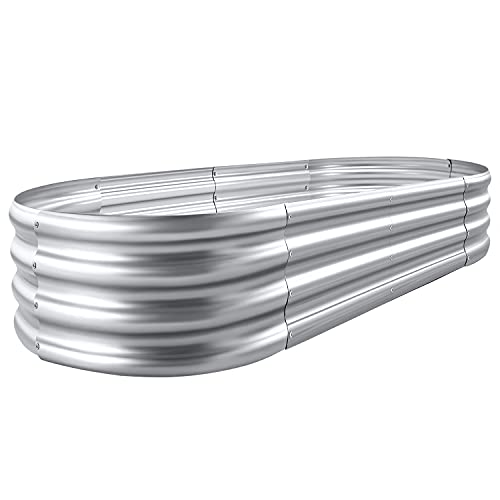
Land Guard Galvanized Raised Garden Bed Kit, 6×3×1ft Oval Metal Raised Garden Beds
Land Guard Galvanized Raised Garden Bed Kit, 6×3×1ft Raised Garden Boxes Outdoor, Oval Metal Raised Garden Beds for Vegetables…
Best for: Larger vegetable beds with a kit that needs no sawing.
Galvanized metal kits are popular with gardeners who want a bed that lasts longer than untreated lumber and goes together with basic hardware.
Key specs:
- Dimensions listed: 6 ft by 3 ft by 1 ft
- Shape: oval galvanized metal
- Type: kit with pre-cut panels
Pros:
- Metal resists rot and insects better than untreated wood
- Pre-cut panels reduce measuring and cutting
- Oval shape makes reaching the center easier from either side
Cons:
- Metal can heat up in full summer sun
- Thin-walled kits may need extra bracing for heavy soil
Bottom line: Suits gardeners who want a long-lasting metal bed in a full-size footprint.
3-Pack Galvanized Steel Raised Garden Bed Kit, 4x2x1 ft & 2x2x1 ft Planter Boxes
3-Pack Galvanized Steel Raised Garden Bed Kit – 4x2x1 ft & 2x2x1 ft Metal Planter Boxes for Vegetables, Flowers, Herbs | Easy Assembly, Open Bottom Design
Best for: Small spaces, balconies and mixing several beds of different sizes.
A multi-pack lets you start small, spread beds across a yard or patio, and try different crops without committing to one large bed.
Key specs:
- Sizes listed: 4x2x1 ft and 2x2x1 ft
- Material: galvanized steel
- Design: open bottom, easy assembly
Pros:
- Three beds let you separate crops or try companion planting
- Open bottom lets roots reach the native soil
- Smaller footprint suits tight spaces
Cons:
- Shallow 1-foot depth limits root crops like large carrots
- Small beds dry out faster and need more frequent watering
Bottom line: A strong budget pick for beginners with limited space who want several beds at once.
Gardener Scott’s Guide to Raised Bed Gardening
Gardener Scott's Guide to Raised Bed Gardening
Best for: Beginners who want a planting and setup plan along with the build.
This guide focuses on the growing side as much as the building side, which helps when you are deciding how much soil to buy and what to plant first.
Key specs:
- Format: book
- Focus: raised bed setup and planting
Pros:
- Helps you plan bed size and soil volume before buying materials
- Covers planting schedules and crop choices
- Useful reference you can use season after season
Cons:
- Less focus on specific construction details than a build-focused guide
- Regional growing advice may need adjusting for your climate
Bottom line: Pick this if you want a practical reference for the whole process, not just construction.
Trellises, Planters & Raised Beds for Beginners: 30+ Easy, Unique, and Useful Projects
Trellises, Planters & Raised Beds for Beginners: 30+ Easy, Unique, and Useful Projects You Can Make with Common Tools and Materials
Best for: Gardeners who like building simple projects from common materials.
This book is aimed at people who want to make their own supports and containers, and it pairs well with a basic raised bed build.
Key specs:
- Format: project book
- Projects: more than 30 build ideas
Pros:
- Many projects use common tools and inexpensive materials
- Good for building trellises to pair with raised beds
- Encourages reuse of materials you may already own
Cons:
- Not focused only on raised bed construction
- Some projects assume more woodworking experience than beginners have
Bottom line: A useful add-on for DIYers who want more than one project from the same workshop time.
Raised Bed Revolution
Raised Bed Revolution
Best for: Low-cost, high-yield layouts that make the most of a small bed.
Intensive planting ideas help gardeners get more food from a modest bed, which is a budget advantage when soil and lumber are both expensive to buy in bulk.
Key specs:
- Format: book
- Focus: intensive raised bed planting
Pros:
- Shows how to fit more plants into less soil
- Helpful for beginners learning spacing
- Pairs well with a small, inexpensively built bed
Cons:
- Intensive methods require careful watering and feeding
- Spacing recommendations should be checked against your local conditions
Bottom line: Best for gardeners who want to stretch a small budget into a productive bed.
Buying Guide
Cost is only one part of a cheap way to build a raised garden bed. The factors below help you decide what to spend on and where to save.
Material and Durability
Untreated softwoods rot within a few seasons when they touch damp soil. Cedar and rot-resistant hardwoods last longer. Galvanized steel resists rot and insects and can last many years. Choose the material that matches how long you plan to keep the bed. For wood species comparisons, see 6 Best Woods for Raised Garden Bed Builds in 2026.
Good picks for this: Land Guard Galvanized Raised Garden Bed Kit, 3-Pack Galvanized Steel Raised Garden Bed Kit
Size and Depth
Most vegetables do well in a bed 10 to 12 inches deep, while deep-rooted crops like carrots benefit from 12 inches or more. Keep beds about 4 feet wide or less so you can reach the center from both sides without stepping on the soil. A standard 4×8 foot bed is a common planning size. For layout ideas, see Companion Planting 4×8 Raised Bed Vegetable Garden Layout: A Practical Guide (2026).
Good picks for this: HOW TO BUILD A RAISED GARDEN BED, Land Guard Galvanized Raised Garden Bed Kit
Portability and Setup
If you rent, move often or want to test a spot first, a fabric or kit-style bed may be a better buy than a permanent frame. Fabric beds fold or lift, while kits can be unbolted and moved. Permanent wooden frames are harder to relocate but often cost less per square foot in lumber.
Good picks for this: Back to the Roots Fabric Raised Garden Bed, 3 Cu Ft Breathable Grow Bag, 3-Pack Galvanized Steel Raised Garden Bed Kit
Soil Volume
Soil is often the biggest hidden expense. A bed 4 feet by 8 feet by 1 foot deep holds roughly 32 cubic feet of soil, which is a lot to buy in bags. Calculate volume before you buy, and consider bulk delivery if the bed is large. For soil guidance, see What Soil to Use for Raised Garden Beds (2026): Which Should You Choose?.
Good picks for this: Gardener Scott’s Guide to Raised Bed Gardening, Raised Bed Revolution
Drainage and Bottom Design
Open-bottom beds let roots reach native soil and let excess water drain. Closed-bottom beds can hold water and may cause soggy roots after heavy rain. For a fabric bed, drainage happens through the walls and base. Make sure any solid-bottom build has drainage holes or a gap at the base.
Good picks for this: 3-Pack Galvanized Steel Raised Garden Bed Kit, HOW TO BUILD A RAISED GARDEN BED
Ease of Assembly
Kits with pre-cut panels save time and reduce waste, though you still need a level surface and a few basic tools. Full DIY builds take longer and require measuring and cutting. Decide honestly how much building time and tool access you have before choosing.
Good picks for this: Land Guard Galvanized Raised Garden Bed Kit, Trellises, Planters & Raised Beds for Beginners
Use Case and Crop Choice
A bed for salad greens and herbs can be shallow and small. A bed for tomatoes, squash or potatoes needs more depth and room. Match the bed size and type to what you plan to grow. For planting ideas, see Raised Garden Beds: Sizes, Materials and Setup.
Good picks for this: Raised Bed Revolution, Gardener Scott’s Guide to Raised Bed Gardening
FAQ
What is the cheapest material for a raised garden bed?
Untreated lumber is usually the lowest-cost material for a DIY frame, but it rots faster when in contact with wet soil. Recycled pallets and salvaged boards are also budget options, though you should avoid pallets marked with chemical treatment codes meant for industrial use. Check local extension resources before using any reclaimed wood in an edible bed.
Do I need a bottom on a raised bed?
Most gardeners do not need a bottom. An open bottom lets roots grow into the native soil and improves drainage. Lay landscape fabric or cardboard underneath only if you need to block weeds, and skip it if drainage is a concern.
How deep should a raised bed be for vegetables?
Plan for 10 to 12 inches for most vegetables. Root crops like carrots and parsnips do better at 12 inches or deeper. Shallow beds of 6 to 8 inches work for lettuce, herbs and other shallow-rooted crops.
Is a fabric raised bed as good as a wooden or metal one?
A fabric bed is lighter, cheaper to move and easy to set up, but it holds less soil and can dry out faster. Wooden and metal beds offer more depth and stability. Choose fabric for flexibility and solid materials for long-term use.
How much soil do I need for a 4×8 raised bed?
A 4×8 bed that is 1 foot deep needs about 32 cubic feet of soil. Measure your bed’s length, width and depth, multiply them, and use that number to estimate how many bags or bulk cubic yards you need. A cubic yard equals 27 cubic feet.
When is the best time to build a raised garden bed?
Build the frame in early spring or fall, before planting season, so the soil can settle. In most US regions, a bed built in early spring is ready for cool-season crops within a few weeks. Check your local frost dates before planting warm-season crops.
Can I use treated lumber for a vegetable bed?
Modern pressure-treated lumber is generally treated with copper-based compounds that are considered safer for ground contact than older formulations, but many gardeners still prefer untreated cedar or galvanized metal for edible crops. If you use treated wood, check the label and consult your local extension office for guidance.
Conclusion
A cheap way to build a raised garden bed does not have to mean a flimsy one. If you want to build your own frame, start with the planning guide and choose untreated or reclaimed lumber in a size you can reach from both sides. If you want something quick, a galvanized kit or a multi-pack of smaller beds gives you durable structure with little assembly. Renters and people who move often will do well with a fabric bed. Pair any choice with a soil plan, since soil is often the largest expense in the project.
Sources
- Research-based guidance on raised bed construction, soil and vegetable growing from land-grant university extension programs (extension.org)
- Plant hardiness and growing-season information for planning raised bed planting dates (usda.gov)
- Guidance on lumber treatment, reclaimed materials and soil safety for home gardens (epa.gov)
Before you buy: helpful guides
- Fenced In Raised Garden Bed: How to Build One That Keeps Pests Out
- Raised Garden Bed Menards: How to Choose and Build One (2026)
- Block for Raised Garden Bed: How to Choose and Build Sturdy Vegetable Beds
- Raised Bed Companion Planting Vegetable Garden Layout: A Step-by-Step Guide
- Raised Bed Garden Layout Companion Planting: A Step-by-Step Guide
About Graham Fisher
Graham Fisher is part of our editorial team and reviews and edits our vegetable & edible gardening guides, checking product details against manufacturer specifications and owner feedback.