 By Graham Fisher
Updated November 2026
A raised bed vegetable garden for beginners is one of the most forgiving ways to start growing food, but the instructions you follow matter just as much as the wood and soil you buy. Many new gardeners need a clear, step-by-step reference that explains bed size, soil mixing, spacing, watering and pest management without assuming years of experience. This list focuses on books that cover raised beds and container growing in plain language, with practical layouts and planting calendars. Each pick was assessed against a consistent set of criteria: how well it teaches the fundamentals, how clearly it explains layout and spacing, whether it covers seasonal planning, how it handles pests and soil health, and what patterns readers commonly mention in owner feedback.
Our top picks at a glance
- 1
 TOP CHOICEBest overallEffortless Raised Bed & Container Vegetable Gardening for BeginnersView on Amazon
- 2
 TOP CHOICEBest for small spacesRaised Bed & Container Vegetable Gardening for Beginners and BeyondView on Amazon
- 3
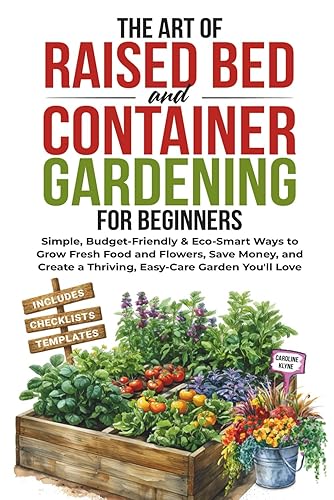 TOP CHOICEBest budget pickThe Art of Raised Bed and Container Gardening for BeginnersView on Amazon
- 4
 Best for classic referenceThe Old Farmer's Almanac Vegetable Gardener's HandbookView on Amazon
- 5
 Best for a broad crop rangeThe Ultimate Raised Bed & Container Gardening Guide For BeginnersView on Amazon
- 6
 Best for self-sufficiency goalsRaised-Bed Gardening for BeginnersView on Amazon
- 7
 Best for a beginner-to-advanced pathContainer and Raised Bed Gardening for Beginners and BeyondView on Amazon
Our Top Picks
The picks below are ordered by how well each one fits the needs of a first-time raised bed grower. Start with the first one if you want a complete, beginner-first walkthrough, and scan the comparison table to match a title to your situation.
Quick Comparison
| Product | Best for | Key feature |
|---|---|---|
| Effortless Raised Bed & Container Vegetable Gardening for Beginners | Complete first-season beginners | Step-by-step setup plus companion planting for pest control |
| Raised Bed & Container Vegetable Gardening for Beginners and Beyond | Small yards and patios | Compact layouts and seasonal planting plans |
| The Art of Raised Bed and Container Gardening for Beginners | Budget-minded new growers | Low-cost methods and eco-smart approaches |
| The Old Farmer’s Almanac Vegetable Gardener’s Handbook | A general vegetable reference | Crop-by-crop growing advice |
| The Ultimate Raised Bed & Container Gardening Guide For Beginners | Growing vegetables, herbs and fruit | Covers a wide range of edible crops |
| Raised-Bed Gardening for Beginners | Readers focused on self-sufficiency | Emphasis on sustainable food production |
| Container and Raised Bed Gardening for Beginners and Beyond | Gardeners who plan to grow more over time | Coverage from beginner to advanced techniques |
Effortless Raised Bed & Container Vegetable Gardening for Beginners
Effortless Raised Bed & Container Vegetable Gardening for Beginners: A Step-by-Step Guide to Grow Healthier Food, Use Companion Plants for Organic Pest Control, and Maximize Your Harvest
Best for: Complete first-season beginners who want a single guide that goes from building the bed to harvesting.
This title is aimed at people who have never planted a raised bed and want each step explained in order. It pairs setup instruction with companion planting ideas meant to reduce pest pressure without heavy chemical use.
Key specs
- Format: Paperback guide covering raised beds and containers
- Focus: Step-by-step beginner instruction
- Topic: Companion planting for organic pest control
Pros
- Clear sequence from site selection to harvest
- Companion planting guidance suits organic growers
- Beginner-first tone with minimal jargon
Cons
- Less depth on advanced crops than specialist books
- Some readers want more regional planting calendars
Bottom line: The best starting point for someone building their first bed who wants guidance on every stage.
Raised Bed & Container Vegetable Gardening for Beginners and Beyond
Raised Bed & Container Vegetable Gardening for Beginners and Beyond: Grow Abundant Organic Harvests in Small Spaces with Budget-Friendly Methods, Simple Garden Layouts & Smart Seasonal Planting Plans
Best for: Small-space gardeners working with a patio, balcony or compact backyard.
The emphasis here is on getting a productive harvest from limited square footage. Readers with small plots often mention the layout plans and seasonal schedules as the most useful sections.
Key specs
- Format: Guide covering raised beds and containers
- Focus: Small spaces and budget-friendly methods
- Topic: Simple garden layouts and seasonal planning
Pros
- Practical layouts for compact plots
- Seasonal planting plans help with timing
- Budget-conscious approach to materials
Cons
- Less coverage of large-scale bed systems
- Assumes some basic familiarity with soil terms
Bottom line: A strong pick for gardeners whose growing space is small and who want to plan carefully.
The Art of Raised Bed and Container Gardening for Beginners
The Art of Raised Bed and Container Gardening for Beginners: Simple, Budget-Friendly & Eco-Smart Ways to Grow Fresh Food and Flowers, Save Money, and Create a Thriving, Easy-Care Garden You'll Love
Best for: Budget-minded new growers who want to keep startup spending low.
This book leans toward inexpensive materials, reused containers and simple soil recipes. It also covers flowers, which suits gardeners who want a mixed edible and ornamental bed.
Key specs
- Format: Guide to raised bed and container gardening
- Focus: Budget-friendly and eco-smart methods
- Topic: Growing both food and flowers
Pros
- Practical money-saving ideas for beds and soil
- Covers both vegetables and flowers
- Easy-care approach suits busy beginners
Cons
- Flower content dilutes vegetable-specific detail
- Fewer crop-by-crop spacing tables than reference books
Bottom line: Pick this if your priority is a low-cost, mixed garden with an approachable style.
The Old Farmer’s Almanac Vegetable Gardener’s Handbook
The Old Farmer's Almanac Vegetable Gardener’s Handbook: Essential Step-by-Step Advice for Growing Vegetables and Achieving Success
Best for: Readers who want a traditional, crop-by-crop reference to keep on the shelf.
Almanac-branded handbooks are known for organized, reference-style entries. This one works well alongside a beginner guide, especially when you need to look up a specific vegetable’s needs.
Key specs
- Format: Reference handbook
- Focus: Vegetable growing advice
- Topic: Step-by-step guidance for common crops
Pros
- Well organized for quick lookups
- Traditional, dependable growing advice
- Useful as a long-term reference
Cons
- Not specific to raised beds
- Less focus on container and small-space methods
Bottom line: A good companion reference for a beginner who wants crop details rather than a narrative guide.
The Ultimate Raised Bed & Container Gardening Guide For Beginners
The Ultimate Raised Bed & Container Gardening Guide For Beginners: Grow Your Own Vegetables, Herbs, Fruits, and Cut Flowers with this Amazing Handbook … Family, Fertility, and Maternal Wellness)
Best for: Beginners who want to grow a wide mix of vegetables, herbs, fruit and cut flowers in one system.
This guide casts a wide net across edible categories. It suits gardeners who expect their beds to hold more than tomatoes and lettuce and want a single resource for varied planting.
Key specs
- Format: Beginner guide to raised bed and container gardening
- Focus: Vegetables, herbs, fruits and cut flowers
- Topic: Broad crop coverage for beginners
Pros
- Covers many edible crop types
- Accessible writing for first-time growers
- Useful for mixed beds
Cons
- Breadth means less depth per crop
- Listing title is long, so confirm the edition before buying
Bottom line: Best for gardeners who want variety and are willing to build skills across many crops.
Raised-Bed Gardening for Beginners
Raised-Bed Gardening for Beginners: Your Guide to Growing Sustainability and Self-Sufficiency
Best for: Readers whose main goal is growing a meaningful share of their own food.
The framing here is sustainability and self-sufficiency, with attention to how a bed system can feed a household over a season. It reads well for people thinking beyond a single summer.
Key specs
- Format: Beginner guide
- Focus: Raised-bed food production
- Topic: Sustainability and self-sufficiency
Pros
- Clear focus on long-term food production
- Sustainability-minded approach
- Good motivation for committed beginners
Cons
- Less emphasis on fast, first-week tasks
- Some readers want more pest-specific detail
Bottom line: Suited to beginners who plan to build a system they will expand each year.
Container and Raised Bed Gardening for Beginners and Beyond
Container and Raised Bed Gardening for Beginners and Beyond: A Guide to Growing Your Own Vegetables, Herbs, Fruit and Cut Flowers (Raised Bed and … for Beginner and Advanced Gardeners)
Best for: Gardeners who expect to move from simple beds to more advanced growing over several seasons.
This title is built to grow with you. It begins with container and bed basics and extends into techniques useful once the first season is behind you.
Key specs
- Format: Guide covering containers and raised beds
- Focus: Vegetables, herbs, fruit and cut flowers
- Topic: Beginner through advanced techniques
Pros
- Useful beyond the first year
- Covers containers and beds together
- Broad crop list for varied planning
Cons
- Advanced sections may feel dense for a brand-new gardener
- Self-published titles vary in editing quality, so check sample pages
Bottom line: A good long-term choice for a beginner who expects the garden to grow in size and skill.
Buying Guide
Before you buy any guide, think about what you will actually do in the first month. A title that matches your stage and your space will be more useful than one with the longest table of contents. The factors below help you compare books on the points that matter most for a raised bed vegetable garden for beginners.
Coverage of the Basics
A good beginner book should explain bed construction, soil mixing, sun exposure, watering and when to sow or transplant. Look for a clear sequence rather than a collection of loosely related chapters. If the book skips soil or spacing, you will need a second resource.
Good picks for this: Effortless Raised Bed & Container Vegetable Gardening for Beginners, Raised-Bed Gardening for Beginners
Layout and Spacing Guidance
Spacing determines how many plants fit in a bed and how well they airflow. Check whether the guide offers square-foot or row layouts and gives crop-specific spacing numbers, such as inches between tomato plants or carrots. Layout diagrams are especially helpful for a 4×8 bed.
Good picks for this: Raised Bed & Container Vegetable Gardening for Beginners and Beyond, The Old Farmer’s Almanac Vegetable Gardener’s Handbook
Size and Fit for Your Space
Match the book to your footprint. A patio gardener needs container and compact-bed advice, while a backyard grower may need instruction for larger systems. Many beginners start with a bed around 4 feet wide so every plant is reachable without stepping on the soil, and a guide that discusses this size is worth more to you.
Good picks for this: Raised Bed & Container Vegetable Gardening for Beginners and Beyond, Container and Raised Bed Gardening for Beginners and Beyond
Crop Range and Planting Calendar
Think about what you want to harvest. If you plan to grow herbs, fruit or flowers alongside vegetables, choose a title with broad coverage. Also check for a month-by-month or season-by-season calendar, which prevents the common mistake of sowing heat-loving crops too early in spring.
Good picks for this: The Ultimate Raised Bed & Container Gardening Guide For Beginners, Container and Raised Bed Gardening for Beginners and Beyond
Pest and Soil Health Approach
Beginners often struggle more with pests and poor soil than with planting itself. Look for practical guidance on companion planting, crop rotation and building soil with compost. A book that discusses organic pest management in concrete terms will serve you better than one that only lists problems.
Good picks for this: Effortless Raised Bed & Container Vegetable Gardening for Beginners, The Art of Raised Bed and Container Gardening for Beginners
Budget and Practicality
Some guides emphasize low-cost materials and reused containers, which can matter when you are starting from nothing. Others assume you will buy premium lumber and bagged soil. Read the introduction to see which approach the author takes, and pick the one that matches what you can realistically spend.
Good picks for this: The Art of Raised Bed and Container Gardening for Beginners, Raised Bed & Container Vegetable Gardening for Beginners and Beyond
Long-Term Usefulness
A book that stays useful after the first season saves you from buying again. Titles with advanced sections or detailed crop entries give you something to grow into. Reference-style handbooks are valuable for this reason, even if they are less friendly as a first read.
Good picks for this: Container and Raised Bed Gardening for Beginners and Beyond, The Old Farmer’s Almanac Vegetable Gardener’s Handbook
FAQ
What size should a beginner raised bed be?
A width of 4 feet is a common recommendation because you can reach the center from either side without stepping on the soil. Length can vary, often 8 feet, and depth of 10 to 12 inches suits most vegetables. Deeper beds can help with root crops and tomatoes.
What soil should I fill a raised bed with?
Most beginners use a blend of topsoil, compost and a bulking material, often in roughly equal parts. A soil test through your local extension service can help you adjust nutrients. Avoid filling beds with heavy garden soil straight from the ground, since it compacts and drains poorly.
How much sun does a raised bed vegetable garden need?
Most fruiting vegetables such as tomatoes, peppers and squash need at least 6 to 8 hours of direct sun daily. Leafy greens tolerate partial shade better. Choose the sunniest spot you have, and place the bed where you can reach it easily for watering and harvest.
Do raised beds need less watering?
Raised beds usually drain faster and warm sooner than in-ground soil, which can mean more frequent watering in hot weather. Mulching and checking soil moisture with a finger, about 1 to 2 inches deep, helps you water on need rather than on schedule.
Can I grow everything in a raised bed?
Most vegetables grow well in raised beds, but large sprawling plants such as pumpkins need extra room. Plan trellises for vining crops and choose compact or bush varieties when space is limited.
How do I keep pests out of a raised bed?
Row covers, physical barriers and hand-picking work well for many beginners. Companion planting and rotating crops each season can also reduce problems. For persistent pests, your local cooperative extension office can recommend approaches suited to your region.
Should I hire a professional to build my raised bed?
Most beds are simple to build from untreated lumber or composite boards. If you have questions about soil contamination, especially on older urban lots, consult your local extension office or a soil testing lab before planting edibles.
Conclusion
For most beginners, the strongest starting point is Effortless Raised Bed & Container Vegetable Gardening for Beginners, because it walks through each stage in order and covers pest control. Gardeners with small patios will get more from Raised Bed & Container Vegetable Gardening for Beginners and Beyond, while budget-focused readers may prefer The Art of Raised Bed and Container Gardening for Beginners. Those who want a reference shelf can add The Old Farmer’s Almanac Vegetable Gardener’s Handbook, and anyone planning to expand over several seasons should consider Container and Raised Bed Gardening for Beginners and Beyond. Choose the book that matches your space, budget and goals, and use the planting and soil guides on this site to plan your first season.
Sources
- Research-based guidance on raised bed construction, soil and vegetable planting from land-grant university extension programs (extension.org)
- Information on growing seasons, plant hardiness zones and vegetable gardening practices (usda.gov)
- Guidance on safe soil testing, lead awareness and gardening in urban or older-building settings (epa.gov)
Before you buy: helpful guides
Related reading
- 6 Best Plants for Raised Bed Vegetable Garden Beginners (2026)
- Wayfair Raised Garden Bed Picks: 5 Best Options for Vegetables (2026)
About Graham Fisher
Graham Fisher is part of our editorial team and reviews and edits our vegetable & edible gardening guides, checking product details against manufacturer specifications and owner feedback.