 By Graham Fisher
Updated November 2026
Growing corn in a raised garden bed is easier than many gardeners expect, as long as you give the plants enough depth, space and sun. In this guide you will learn how to pick a bed size that supports corn, prepare fertile soil, time your planting, space plants so they pollinate well, and handle the pests and problems that show up most often. Follow these steps and you should harvest full, sweet ears from a bed that is far smaller than an in-ground corn patch.
Why a Raised Bed Works for Corn
Corn is a heavy feeder with a shallow but spreading root system. Raised beds warm up faster in spring, drain well and let you control the soil mix from the start, which matters because corn responds strongly to nitrogen and consistent moisture. The trade-off is that a raised bed dries out faster than ground soil, so you will need to water more often during hot weeks. Corn also needs a block of plants rather than a single row, so the bed shape matters more than it would for lettuce or beans.
Shopping for one? See our guide: 4 Best Books and Planters for Growing Tomatoes in a Raised Garden Bed (2026).
Choosing the Right Bed Size and Depth
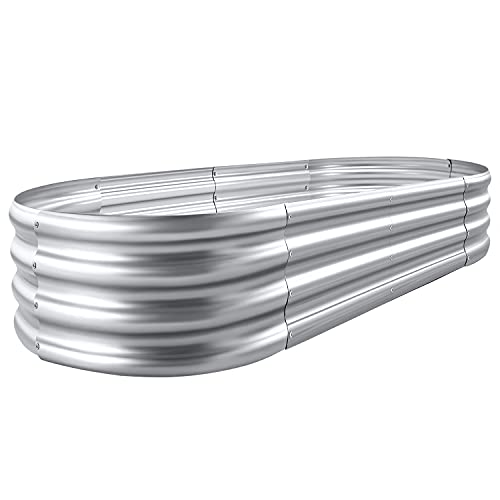
A bed 8 to 12 inches deep is enough for corn, but 12 inches or more gives the roots room to anchor the tall stalks, especially in windy sites. Width matters less than length. A standard 4 by 8 foot bed can hold a productive block of corn if you plant it in a grid rather than rows.
- Minimum depth: 10 inches for most varieties; 12 inches for sweet corn in exposed areas.
- Good footprint: 4 by 8 feet, 4 by 10 feet or a 4 by 12 foot bed for larger harvests.
- Orientation: run the long side north to south so both sides of the bed get even sun.
- Materials: untreated cedar, galvanized steel or composite boards all work. Avoid railroad ties or treated wood not labeled for vegetable gardens.
For more on bed construction and materials, see Raised Garden Beds: Sizes, Materials and Setup. If you are still choosing a bed, Best Metal Raised Garden Beds for Home Gardens: 5 Beds Compared covers durable options that suit taller crops.
Preparing the Soil
Corn is hungry, so start with a rich, loose mix that holds moisture without becoming soggy. A common approach is a blend of topsoil or garden soil, compost and a bagged raised-bed mix. Many gardeners aim for roughly one-third compost in the top layer. The soil should be loose enough that you can push your hand down 8 inches without resistance.
Testing and Amending
Corn grows best at a soil pH between about 6.0 and 6.8. A basic home test kit or a lab test through your local extension office will tell you where you stand. Work in compost a few weeks before planting, and if your test shows low nitrogen, plan a side-dressing later in the season. Do not overdo fresh manure close to planting, as it can burn young roots.
If you are unsure what to put in the bed, What Soil to Use for Raised Garden Beds (2026): Which Should You Choose? compares the main options and their trade-offs.
When to Plant Corn
Corn is a warm-season crop. Wait until the soil has warmed to at least 60°F, which usually means one to two weeks after your last expected frost. Raised beds often warm earlier than ground soil, so you may be able to plant a few days sooner, but do not rush it. Cold, wet soil causes seeds to rot. Check your local last frost date with your regional extension service and count forward from there.
For a continuous harvest, plant a second block about two to three weeks after the first. Choose varieties with different maturity dates so the harvest does not all arrive at once.
Spacing and Planting Layout
Corn is wind-pollinated. Pollen falls from the tassels at the top of the plant onto the silks below, and each silk must receive a grain of pollen to form a kernel. In a single row, pollination is poor and ears come out with gaps. A block layout solves this.
| Setting | Recommended spacing |
|---|---|
| Between plants in a row | 8 to 10 inches |
| Between rows (block layout) | 12 to 18 inches |
| Planting depth | 1 to 1.5 inches |
| Minimum block size | 4 rows of 4 plants (16 plants) |
Sowing Step by Step
- Mark your grid with string or a stick. Aim for at least four rows of four plants.
- Dig or poke holes at the planting depth, 1 to 1.5 inches.
- Drop two seeds per hole, then thin to the strongest seedling once they are 3 to 4 inches tall.
- Water gently to settle the soil around the seeds.
- Keep the bed evenly moist until seedlings emerge, usually in 7 to 10 days.
Companion planting can help you use the space well. Beans fix nitrogen and can grow at the base of corn, while squash spreads underneath and shades the soil. See Companion Planting for Raised Garden Beds: A Step-by-Step Guide for layouts that work in a bed this size.
Watering and Feeding
Corn needs about 1 inch of water per week, more during tasseling and silking. In a raised bed, check moisture 4 to 6 inches down before you water. A soaker hose or drip line keeps foliage dry and delivers water to the root zone.
Corn is a heavy nitrogen user. Side-dress with a nitrogen source, such as blood meal or a balanced organic fertilizer, when plants are about 12 inches tall and again when tassels begin to form. Follow the label rates on your product and avoid heavy feeding that pushes leafy growth at the expense of ears.
Pest and Problem Management
Corn earworm is the most common pest on sweet corn. Check ears a few days after silks appear and remove any worms by hand. Raccoons and birds are also a problem, especially as ears near maturity. Netting or a simple electric fence set near the bed can help. Cornstalk borers and aphids may appear mid-season; inspect leaves regularly and remove heavily infested plants.
Diseases such as common rust and northern leaf blight are usually more of a concern in humid weather. Choose resistant varieties when possible, water at the base of the plant and clean up crop debris at the end of the season.
Harvesting Sweet Corn
Most sweet corn is ready about 18 to 24 days after silking, though this varies by variety and weather. Check for a dark brown, dry silk and a firm, plump kernel. Pierce a kernel with a fingernail: a milky liquid means it is ready, clear liquid means it needs more time, and a pasty texture means it is past its best. Pick in the cool part of the morning for the sweetest flavor, and cook or refrigerate soon after picking.
Recommended gear
A few supplies make corn in a raised bed much easier to manage.
- Soaker hose: delivers water to the roots without wetting the leaves, which helps reduce fungal problems in a dense block of corn. View on Amazon
- Garden soil test kit: gives a quick read on pH and nutrients so you can amend before planting. View on Amazon
- Bird netting: protects ripening ears from birds and, with support, can help keep raccoons out. View on Amazon
- Garden twine and stakes: useful for marking your planting grid and staking any plants that lean in wind. View on Amazon
Common Mistakes
- Planting in a single row. Poor pollination leads to ears with missing kernels. Always plant in a block.
- Planting too early. Cold soil rots seeds. Wait until the soil is at least 60°F.
- Skipping nitrogen. Pale, short plants with small ears usually mean the bed needs feeding.
- Letting the bed dry out. Raised beds lose water quickly, especially during tasseling.
- Crowding plants. Too-tight spacing reduces airflow and increases disease.
- Waiting too long to harvest. Overripe corn turns starchy quickly. Check ears on schedule.
FAQ
How many corn plants fit in a 4 by 8 foot raised bed?
With 8 to 10 inches between plants and 12 to 18 inches between rows, a 4 by 8 foot bed can hold roughly 24 to 32 plants. A block of at least 16 plants is needed for good pollination.
Can I grow corn in a raised bed with other vegetables?
Yes, but corn is tall and shades smaller crops. Plant it on the north side of the bed so it does not block sun from the rest, or grow a companion crop such as beans or squash underneath.
How deep should a raised bed be for corn?
A depth of 10 to 12 inches is generally enough. Deeper beds help roots anchor the stalks, which matters in windy locations.
Why are my corn ears not filled out at the tips?
This is usually a pollination problem. Plant in a block rather than a row, and make sure the tassels are shedding pollen when silks are receptive. Hand-pollinating with a brush or by shaking the stalks can help.
Do I need to rotate corn in a raised bed?
Yes. Avoid planting corn in the same spot year after year, since it can build up soil-borne diseases and deplete nitrogen. Rotate with legumes or leafy crops when possible.
How much water does corn need in a raised bed?
About 1 inch per week, with more during tasseling and silking. Check moisture 4 to 6 inches deep, since raised beds dry out faster than ground soil.
When is sweet corn ready to pick?
Usually 18 to 24 days after silks appear. Check that silks are brown and dry, then test a kernel for milky juice. Your seed packet gives a more specific estimate for each variety.
Conclusion
Growing corn in a raised garden bed comes down to a few habits: use a deep bed, feed the soil with compost and nitrogen, plant in a block for pollination and keep the bed evenly watered. Time your sowing to warm soil and check ears regularly for pests and ripeness. With those basics in place, a single 4 by 8 foot bed can give you a satisfying harvest of sweet, full ears.
Ready to choose one?
About Graham Fisher
Graham Fisher is part of our editorial team and reviews and edits our vegetable & edible gardening guides, checking product details against manufacturer specifications and owner feedback.