 By Graham Fisher
Updated November 2026
Filling a raised vegetable garden soil mix bed is one of the biggest decisions you will make before planting, because the soil sets the limits for root growth, water holding, drainage and nutrient supply for the whole season. This guide compares seven bagged and ready-to-use blends that gardeners commonly choose for vegetable beds. Our selection criteria were product specifications, brand reputation, the consistency of the ingredient lists, the stated suitability for vegetables, and patterns in owner feedback about drainage, texture and plant performance. We did not test these products ourselves; the notes below reflect manufacturer claims and recurring themes in customer reports.
Our top picks at a glance
- 1
 TOP CHOICEBest overallFoxFarm Raised Bed Planting Mix, 1.5cu ft All-Purpose Garden SoilView on Amazon
- 2
 TOP CHOICEBest for organic growersRaised Bed & Potting Mix Organic Raised Bed Garden Soil, 2 Cubic FeetView on Amazon
- 3
 TOP CHOICEBest for coastal and mineral-rich blendsCoast of Maine Castine Blend Raised Bed Mix, 1 cu ft (Pack of 4)View on Amazon
- 4
 Best for container-style bedsBurpee Premium Organic Potting Mix Garden Soil with Coconut CoirView on Amazon
- 5
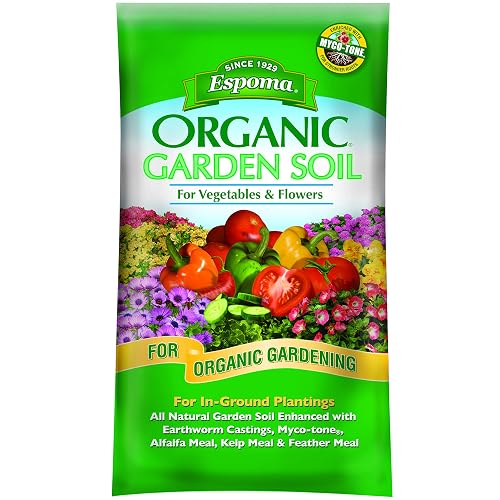 Best for in-ground amendmentEspoma Organic Vegetable & Flower Garden Soil, 1 Cubic Foot BagView on Amazon
- 6
 Best for seed starting and transplantsBack to the Roots 3-in-1 Seed Starting Mix, 6 QuartsView on Amazon
- 7
 Best budget pick for large bedsMichigan Peat Garden Magic General Purpose Potting Soil Mix, 40 lbView on Amazon
Our Top Picks
| Product | Best for | Key feature |
|---|---|---|
| FoxFarm Raised Bed Planting Mix | Gardeners who want an all-in-one blend | Earthworm castings and oyster shell in a ready-to-use mix |
| Raised Bed & Potting Mix Organic Raised Bed Garden Soil | Organic vegetable beds | Compost and earthworm castings, 2 cubic feet |
| Coast of Maine Castine Blend Raised Bed Mix | Gardeners seeking a mineral-rich blend | Ocean and land-sourced ingredients, sold in multi-pack |
| Burpee Premium Organic Potting Mix Garden Soil | Containers and raised beds with good drainage | Coconut coir base, OMRI listed |
| Espoma Organic Vegetable & Flower Garden Soil | Amending existing in-ground or raised soil | Organic planting mix for transplanting |
| Back to the Roots 3-in-1 Seed Starting Mix | Seed starting and young transplants | Worm castings and moisture-controlling base |
| Michigan Peat Garden Magic General Purpose Potting Soil Mix | Filling large beds on a budget | Peat-based general purpose mix in a 40 lb bag |
FoxFarm Raised Bed Planting Mix, 1.5cu ft All-Purpose Garden Soil
FoxFarm Raised Bed Planting Mix, 1.5cu ft – All-Purpose Garden Soil with Earthworm Castings & Oyster Shell – Ready-to-Use Blend for Vegetables, Flowers, Fruits & Herbs
Best for: Gardeners who want a ready-to-use blend for a wide range of vegetables, herbs and flowers without mixing their own.
This is a good first choice for a new raised bed because it arrives pre-blended and is designed for mixed plantings. It suits beds that will hold tomatoes, peppers, leafy greens and herbs in the same season.
Key specs
- Volume: 1.5 cubic feet per bag, as stated in the listing
- Contains earthworm castings and oyster shell, per the product name
- Marketed as all-purpose for vegetables, flowers, fruits and herbs
Pros
- Ready to use straight from the bag
- Earthworm castings add slow-release nutrition
- Oyster shell is included to help buffer soil pH
Cons
- Volume is small for deep beds, so you will need several bags
- Nutrient-heavy blends can run hot for seedlings if used undiluted
Bottom line: A strong all-round pick for gardeners who want a dependable starting blend for mixed vegetable beds.
Raised Bed & Potting Mix Organic Raised Bed Garden Soil, 2 Cubic Feet
Raised Bed & Potting Mix – Organic Raised Bed Garden Soil for Vegetables, Flowers & Raised Garden Beds – Ready-to-Use Soil with Compost & Earthworm Castings, 2 Cubic Feet (56.6L)
Best for: Organic vegetable growers who want a compost-based blend in a larger volume.
The 2 cubic foot size covers a meaningful portion of a standard 4 by 8 foot bed at typical fill depths, and the organic ingredient list suits gardeners avoiding synthetic fertilizers.
Key specs
- Volume: 2 cubic feet (56.6 liters), per the listing
- Compost and earthworm castings listed as ingredients
- Marketed for vegetables, flowers and raised garden beds
Pros
- Larger bag size reduces the number of purchases
- Compost-based texture supports moisture retention
- Suitable for organic growing practices
Cons
- Compost-heavy mixes can settle and compact over a season
- Nutrient content varies by batch, so check early growth
Bottom line: Best for gardeners who want an organic, compost-rich base in a generous bag size.
Coast of Maine Castine Blend Raised Bed Mix, 1 cu ft (Pack of 4)
Promotes Steady Vegetable Growth, Ready-to-Use Blend, Ocean & Land-Sourced Ingredients Coast of Maine Castine Blend Raised Bed Mix, 1 cu ft (Pack of 4)
Best for: Gardeners who want a mineral-rich, ready-to-use blend with marine-derived inputs.
The multi-pack format makes it practical for filling a bed in stages, and the ingredient story appeals to gardeners interested in mineral diversity.
Key specs
- Pack of 4 bags, 1 cubic foot each, per the listing
- Marketed as a raised bed mix with ocean and land-sourced ingredients
Pros
- Pack format is convenient for larger beds
- Marine-derived minerals appeal to mineral-focused growers
- Clearly labeled for raised bed use
Cons
- Price per cubic foot is less of a concern than shipping weight for some buyers
- Specific nutrient analysis is limited in the listing details
Bottom line: A good match for gardeners who prefer a mineral-rich blend and want to fill a bed in one purchase.
Burpee Premium Organic Potting Mix Garden Soil with Coconut Coir
Burpee Premium Organic Potting Mix Garden Soil with Coconut Coir for Indoor Plants & Outdoor Containers, OMRI Listed, Ideal for Vegetables, Flowers, Herbs (9 Quarts, 0.12-0.12-0.12)
Best for: Raised beds and containers where drainage and light texture matter most.
Coconut coir gives this mix a lighter structure than peat-only blends, which helps water move through the root zone. It works well for shallow beds and for gardeners who also grow in pots.
Key specs
- Volume: 9 quarts, per the listing
- Coconut coir base
- OMRI listed, per the product name
Pros
- Coconut coir improves drainage and aeration
- OMRI listing supports organic growing
- Versatile for beds and containers
Cons
- Quart-based volume is small for large raised beds
- Light mixes can dry out quickly in hot weather
Bottom line: A solid pick for shallow or container-style beds where drainage is the priority.
Espoma Organic Vegetable & Flower Garden Soil, 1 Cubic Foot Bag
Espoma Organic Vegetable & Flower Garden Soil Natural and Organic in Ground Planting Mix. Use When Planting & Transplanting. for Organic Gardening. 1 Cubic Foot Bag
Best for: Amending existing soil or filling a bed with an organic planting mix at transplant time.
Espoma is a long-established organic fertilizer and soil brand, and this planting mix is positioned for use at planting and transplanting, so it works well as a top layer or amendment.
Key specs
- Volume: 1 cubic foot bag, per the listing
- Marketed as natural and organic for vegetables and flowers
Pros
- Established brand with a focus on organic inputs
- Useful for mixing into existing beds
- Clear use directions for planting and transplanting
Cons
- One cubic foot covers less area, so it is less efficient for full bed fills
- Works best blended with other materials rather than alone
Bottom line: Best as a supplement or amendment for gardeners who already have some soil in place.
Back to the Roots 3-in-1 Seed Starting Mix, 6 Quarts
Back to the Roots 3-in-1 Seed Starting Mix 6 Quarts, 100% Organic & USA Made for Herbs, Veggies, Flowers, w/Nutrient Rich Plant Food, Worm-Castings, & Moisture Controlling Yucca Brown
Best for: Starting seeds and growing young transplants before they move into a raised bed.
This is a seed-starting mix rather than a full bed fill. Its fine texture and moisture control suit seedlings, and it can be used as a finishing layer for transplanting.
Key specs
- Volume: 6 quarts, per the product name
- Marketed as 100 percent organic, with worm castings and plant food
Pros
- Fine texture suits small seeds
- Includes nutrient-rich worm castings
- Good for herbs, vegetables and flowers at the seedling stage
Cons
- Too fine and expensive per volume for filling full beds
- Not designed as a long-term bed soil
Bottom line: Ideal for raising seedlings to transplant size, not for filling the whole bed.
Michigan Peat Garden Magic General Purpose Potting Soil Mix, 40 lb
Moisture Retaining Mix for Indoor and Outdoor Planting, Potting, and Garden Use Michigan Peat Garden Magic General Purpose Potting Soil Mix, 40 lb
Best for: Filling large raised beds with a general-purpose mix at a lower cost per volume.
The 40 pound bag is the largest format in this list, which makes it practical for deep beds. It is a peat-based mix designed for moisture retention.
Key specs
- Weight: 40 pounds, per the listing
- Peat-based general purpose potting mix for indoor and outdoor use
Pros
- Large bag reduces the number of purchases for deep beds
- Peat base holds moisture well
- Suitable for both indoor and outdoor planting
Cons
- Peat-based mixes can become hydrophobic when fully dried
- Nutrient content is general and usually needs supplementing
Bottom line: A practical volume choice for large beds, best paired with compost or a fertilizer plan.
Buying Guide
Texture and drainage
A good raised bed mix should drain freely while still holding moisture between waterings. Look for blends that include coir, compost or perlite, and avoid mixes that form a dense clump when squeezed. Roots need air as well as water, so a crumbly feel is a better sign than a heavy one.
Good picks for this: Burpee Premium Organic Potting Mix Garden Soil, Michigan Peat Garden Magic General Purpose Potting Soil Mix
Organic certification and inputs
If you grow organically, check the ingredient list for compost, worm castings and other natural amendments, and look for an OMRI listing where it is shown. Certification confirms the input list, not the overall quality of the mix.
Good picks for this: Raised Bed & Potting Mix Organic Raised Bed Garden Soil, Burpee Premium Organic Potting Mix Garden Soil
Nutrient content
Many bagged mixes include starter nutrients, but these often run out within a few weeks. Plan to side-dress heavy feeders such as tomatoes and squash with compost or an organic fertilizer during the season. Check whether the mix contains slow-release inputs or only a light starter charge.
Good picks for this: FoxFarm Raised Bed Planting Mix, Back to the Roots 3-in-1 Seed Starting Mix
Bag size and how much you need
Calculate bed volume before buying: length times width times depth in feet gives cubic feet. A 4 by 8 foot bed filled 12 inches deep needs about 32 cubic feet of soil. Large formats reduce handling, while small bags suit seedlings or amendments.
Good picks for this: Michigan Peat Garden Magic General Purpose Potting Soil Mix, Coast of Maine Castine Blend Raised Bed Mix
Use case: beds versus containers
A bed mix needs to hold structure for a full season, while a container mix can be lighter and more freely draining. Choose a blend labeled for raised beds when you plan to fill a deep frame. Seed-starting blends are too fine and light for this job.
Good picks for this: FoxFarm Raised Bed Planting Mix, Espoma Organic Vegetable & Flower Garden Soil
Mixing your own versus buying bagged
Many experienced gardeners blend their own soil from topsoil, compost and a drainage material. Bagged mixes save time and take the guesswork out of consistency, while homemade blends cost less per volume but require good-quality components. Either route can work if the final texture is loose and well drained.
Good picks for this: Espoma Organic Vegetable & Flower Garden Soil, Michigan Peat Garden Magic General Purpose Potting Soil Mix
Care and storage
Store unused bags off the ground and out of direct sun, and keep them dry so they do not mold or clump. Once the bed is filled, mulch the surface and top-dress with compost each season to replace nutrients lost to growth and watering.
Good picks for this: Back to the Roots 3-in-1 Seed Starting Mix, Raised Bed & Potting Mix Organic Raised Bed Garden Soil
FAQ
How deep should soil be in a raised vegetable bed?
Most vegetables do well in 12 to 18 inches of soil. Root crops like carrots need more depth, while leafy greens can grow in shallower beds. Deeper beds also hold more moisture and warm more slowly in spring.
Can I use garden soil from my yard in a raised bed?
Yard soil is often too dense and can carry weed seeds and pathogens. Blending it with compost and a drainage material is a common approach, but a bagged or homemade mix designed for raised beds usually performs more predictably.
Do I need to add fertilizer to a bagged raised bed mix?
Many mixes include starter nutrients, but most vegetables benefit from additional feeding during the season. Side-dress heavy feeders like tomatoes with compost or an organic fertilizer every few weeks, following the product label.
How often should I replace the soil in a raised bed?
You do not need to replace it every year. Top-dress with compost each spring and refresh the upper layer as the soil settles. A full soil change is only needed if the bed has disease problems or has become severely compacted.
Is peat-based or coir-based mix better for vegetables?
Both can work. Peat holds moisture strongly but can become hard to rewet, while coir offers good aeration and drains more readily. Many gardeners prefer coir for sustainability reasons, though the best choice depends on your watering habits and climate.
Why does my raised bed soil settle after a few months?
Organic matter breaks down over time, which causes the level to drop. Settling is normal. Add compost or fresh mix each season to maintain the original depth.
Conclusion
For most gardeners filling a new bed, FoxFarm Raised Bed Planting Mix offers a balanced, ready-to-use starting point. Organic growers may prefer the compost-based Raised Bed & Potting Mix Organic Raised Bed Garden Soil, while Michigan Peat Garden Magic General Purpose Potting Soil Mix suits large beds where volume matters most. Burpee Premium Organic Potting Mix Garden Soil is a good choice for shallow beds and containers, Espoma works well for amending existing soil, and Back to the Roots is best reserved for seed starting. Match the blend to your bed depth, growing method and feeding plan, and check the texture by hand before planting.
Sources
- Research-based guidance on soil preparation and raised bed construction for vegetable gardens (extension.org)
- Information on soil health, organic production standards and composting practices (usda.gov)
- Guidance on safe materials, soil testing and managing contaminants in garden beds (epa.gov)
Before you buy: helpful guides
- Raised Garden Bed Soil Mixture: A Step-by-Step Recipe for Healthy Vegetables
- Raised Garden Soil Mixture: A Step-by-Step Recipe for Vegetables
- Raised Bed Garden Soil Composition: A Step-by-Step Guide for Vegetables
- Raised Garden Bed Soil Layers: A Step-by-Step Guide for Vegetables
- Best Soil Mixture for Raised Garden Beds: A Step-by-Step Recipe for Vegetables
Related reading
- Top 5 Raised Garden Soil Mix Picks for Vegetable Beds in 2026
- Soil Mix for Raised Garden Bed: 7 Best Picks for Vegetables (2026)
- Top 7 Vege Garden Soil Mix Picks for Raised Beds and Containers
About Graham Fisher
Graham Fisher is part of our editorial team and reviews and edits our vegetable & edible gardening guides, checking product details against manufacturer specifications and owner feedback.