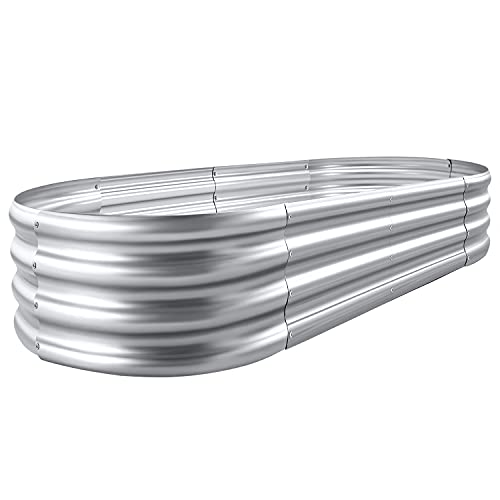
 By Graham Fisher
Updated November 2026
To figure out how much soil for raised garden beds you need, multiply the bed’s length, width, and depth, then convert the result to cubic feet or cubic yards. Most vegetable beds perform well at 6 to 12 inches deep, so once you know the dimensions, the math takes about two minutes. This guide walks you through the calculation, adds a little extra for settling, and points out the mistakes that leave gardeners short.
Measure Your Bed Dimensions
Start by measuring the inside of the bed, not the outside lumber. Use a tape measure to record the length and width in feet, then measure the depth in inches from the soil line to the bottom of the frame. If your bed sits on uneven ground, measure at several points and use the average depth.
Shopping for one? See our guide: 5 Best Garden Soil in Bulks for Raised Beds and Gardens (2026).
Keep your numbers in one unit before calculating. A bed that is 4 feet wide, 8 feet long, and 10 inches deep, for example, should be recorded as 4 ft × 8 ft × 0.83 ft (10 inches ÷ 12).
Calculate the Volume Needed
Volume equals length × width × depth, measured in cubic feet. Using the example above:
4 ft × 8 ft × 0.83 ft = 26.6 cubic feet
Because bagged soil is often sold by the cubic foot, 26.6 cubic feet is your baseline. Divide by 27 if you prefer cubic yards, which is how bulk soil is typically delivered: 26.6 ÷ 27 ≈ 1 cubic yard.
Add a Buffer for Settling and Compaction
Soil shrinks as it settles, and organic matter breaks down over the first season. Most gardeners add 10 to 15 percent to their total so the bed does not sit low by midsummer. For the example bed, that means ordering about 29 to 31 cubic feet rather than exactly 26.6.
If you are mixing your own blend from compost, topsoil, and amendments, calculate each component separately. A common approach is roughly 60 percent topsoil or garden soil and 40 percent compost, but check that the final mix holds together without becoming waterlogged. For a detailed mix, see Raised Garden Bed Soil Recipe: A Step-by-Step Guide for Vegetables.
Checklist Before You Order or Mix
- Record length, width, and inside depth for every bed in inches or feet.
- Convert each bed to cubic feet (length × width × depth in feet).
- Add up all beds and divide by 27 for cubic yards if buying in bulk.
- Add 10 to 15 percent for settling.
- Confirm whether your supplier sells by the bag (usually cubic feet) or by the yard.
Quick Reference for Common Bed Sizes
| Bed Size | Depth | Volume (cu ft) | Approx. Cubic Yards |
|---|---|---|---|
| 4 ft × 4 ft | 8 in | 10.7 | 0.4 |
| 4 ft × 8 ft | 10 in | 26.6 | 1.0 |
| 4 ft × 8 ft | 12 in | 32.0 | 1.2 |
| 3 ft × 6 ft | 12 in | 18.0 | 0.7 |
Common Mistakes to Avoid
- Measuring the outside of the frame instead of the interior, which overstates the volume.
- Mixing units, such as feet for length and inches for depth, without converting.
- Skipping the settling buffer and finding the bed half empty after the first rain.
- Filling a deep bed entirely with bagged potting mix, which drains poorly and costs more than needed.
- Forgetting that a bed filled with a bottom layer of logs or leaves needs less topsoil above it.
Recommended Gear
A reliable tape measure makes the first step far more accurate. A 25-foot measuring tape with a sturdy blade is practical for bed-sized measurements.
A cubic yard calculator or basic spreadsheet helps when you have several beds. Enter the dimensions once and let the formula handle the conversion.
A soil moisture meter helps you judge whether a newly filled bed is ready to plant, since dry or compacted soil can make the bed look shallower than it is.
FAQ
How deep should soil be in a raised garden bed?
Most vegetables grow well in 6 to 12 inches of soil. Root crops like carrots benefit from 12 inches or more, while lettuce and herbs can thrive in 6 inches.
Should I buy bagged soil or bulk soil?
Bagged soil suits small beds, while bulk delivery is more economical for larger projects. Compare how each is measured so you order the right quantity.
Do I need to fill the whole bed with soil?
No. You can fill the bottom with coarse organic material such as wood chips or leaves and top it with 6 to 8 inches of soil. See Raised Garden Bed Soil Layers: A Step-by-Step Guide for Vegetables for layering options.
Conclusion
Measure each bed’s interior, multiply length by width by depth, and convert to cubic feet or yards. Add 10 to 15 percent for settling, and your bed will be full and ready for planting. Double-check the numbers once more before you place an order.
Related reading
- Raised Garden Soil Calculator: How Much Soil Your Beds Need
- Raised Garden Bed Soil Calculator: How Much Soil You Really Need
- How Much Perlite to Add to Garden Soil: A Step-by-Step Guide for Beginners
- Garden Bed Soil Calculator: How Much Soil You Really Need
Ready to choose one?
About Graham Fisher
Graham Fisher is part of our editorial team and reviews and edits our vegetable & edible gardening guides, checking product details against manufacturer specifications and owner feedback.